
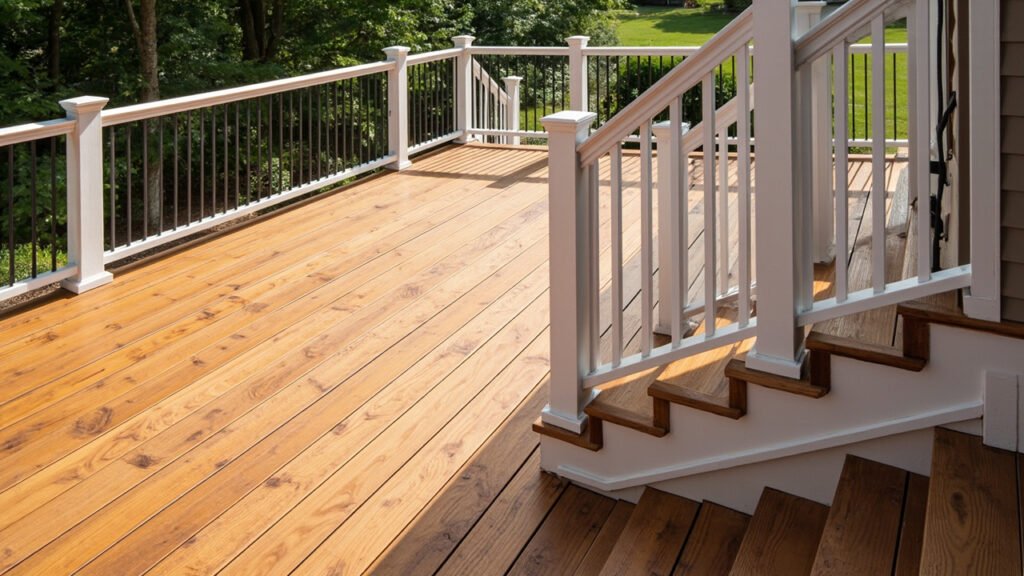
Building a new deck is one of the most rewarding home improvement projects you can undertake. A well-designed deck extends your living space outdoors, adds value to your property, and creates the perfect setting for everything from morning coffee to summer cookouts. If you are searching for a deck builder in Newton MA or the surrounding Greater Boston area, there are several important factors to understand before you begin. This guide walks you through what homeowners in Newton, Brookline, Wellesley, and similar communities should consider when planning a new deck or porch project.
Local Permits and Regulations in Greater Boston Communities
Before any construction begins, it is essential to understand the permit requirements in your specific town. Communities across MetroWest and Greater Boston have varying regulations for deck construction. Newton, Wellesley, and Weston typically require permits for decks exceeding a certain height or square footage, and most municipalities require proper setbacks from property lines. Your deck builder should be familiar with these local codes and handle the permitting process on your behalf. Working with a contractor who regularly builds in these communities means they already understand the specific requirements and can navigate the process efficiently.
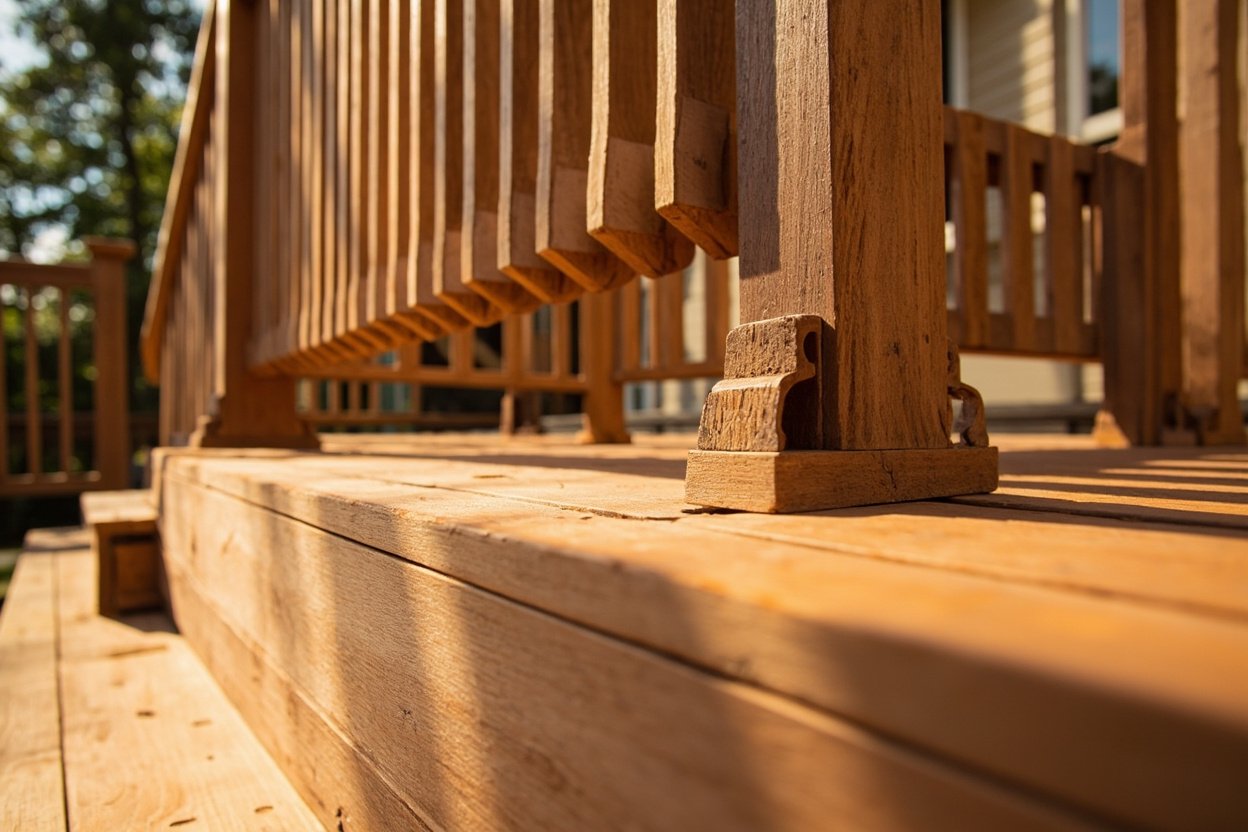
Choosing Deck Materials That Stand Up to New England Weather
The climate in the Boston area presents unique challenges for outdoor structures. From humid summers to freezing winters and everything in between, your deck will face significant weather exposure year after year. This makes material selection one of the most important decisions you will make.
Traditional pressure-treated lumber remains a popular choice because it is affordable and resists rot and insects. However, many homeowners in Newton and surrounding towns are now choosing composite or PVC decking materials for their low-maintenance qualities. These materials do not warp, crack, or splinter, and they hold up exceptionally well against moisture and temperature fluctuations. If you prefer the natural look of wood, cedar or redwood offer good resistance to decay, though they require more regular maintenance including staining and sealing.
Your deck builder should walk you through the pros and cons of each material based on your budget, aesthetic preferences, and willingness to perform ongoing maintenance. The right choice depends on your specific situation and how you plan to use your outdoor space.
Structural Framing: The Foundation of a Safe Deck
No matter what surface material you choose, the structural framing determines how long your deck will last and how safe it will be. Proper framing starts with correctly sized beams and joists spaced according to local building codes. In the Greater Boston area, frost depth must be considered when installing footings. Your deck needs to be anchored below the frost line to prevent shifting and settling during freeze-thaw cycles that are common in Massachusetts winters.
Quality contractors use galvanized or stainless steel connectors and fasteners to prevent corrosion, which is particularly important given our region’s exposure to road salt and moisture. The connection between your deck and your home also requires careful attention. A properly flashed ledger board creates a secure attachment point that prevents water damage to your house and ensures the deck can support the loads placed upon it.
Stairs and Railings: Safety Features That Matter
Deck stairs and railings serve essential safety functions, yet they are often an afterthought during the planning phase. Massachusetts building codes specify requirements for stair dimensions, including riser height consistency, tread depth, and handrail placement. These regulations exist to prevent falls and injuries, and compliance is non-negotiable for any legitimate deck builder.
Railing safety deserves special attention, particularly if you have children or elderly family members. The balusters must be spaced closely enough to prevent a child from slipping through, and the railing height must meet or exceed code requirements. Beyond meeting minimum standards, thoughtful design can make your railings both safe and attractive. Many homeowners in Newton and Brookline are choosing composite railings that complement their decking material while providing decades of reliable service.
Planning for Long-Term Maintenance
Once your deck is complete, ongoing care protects your investment for years to come. Even low-maintenance materials benefit from occasional cleaning to remove dirt, pollen, and mildew. If you choose wood decking, establish a regular maintenance schedule that includes cleaning, staining, and sealing as needed. Inspect your deck annually for loose boards, protruding fasteners, or signs of rot, particularly after harsh winters.
Working with a local contractor for any repairs or future projects makes sense because they understand how our specific climate affects outdoor structures. Whether you need minor deck repairs in Wayland or a full deck rebuild in Lexington, having a trusted builder who knows your deck’s history saves time and money.
Ready to discuss your project? Visit https://advanceddeckandporch.com/ or call (857) 837-2100 to schedule a free onsite estimate.
Advanced Deck & Porch is a brand owned and operated by Sun Shore Construction. All estimates, contracts, and construction services are provided by Sun Shore Construction.
When planning your deck builder Newton MA project, focus on clear scope, quality materials, and professional installation.