
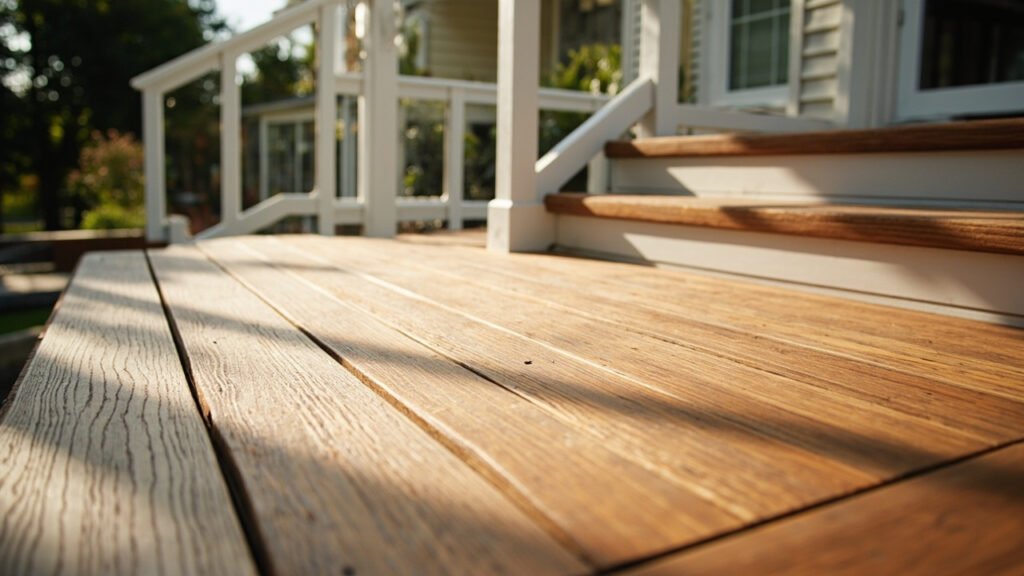
Your deck takes a beating here in Boston. From the heavy snowfalls of January to the humid summers and everything in between, New England weather puts serious stress on outdoor structures. If you have noticed loose boards, wobbly railings, or signs of wear, understanding deck repair in Boston can help you make smart decisions about maintaining your home.
Why Boston Decks Face Unique Challenges
Living in Greater Boston means your deck endures conditions that decks in milder climates never experience. Freeze-thaw cycles are particularly damaging. When water seeps into small cracks and then freezes, it expands and makes those cracks much worse. This happens over and over throughout our winters, slowly breaking down even well-built structures.
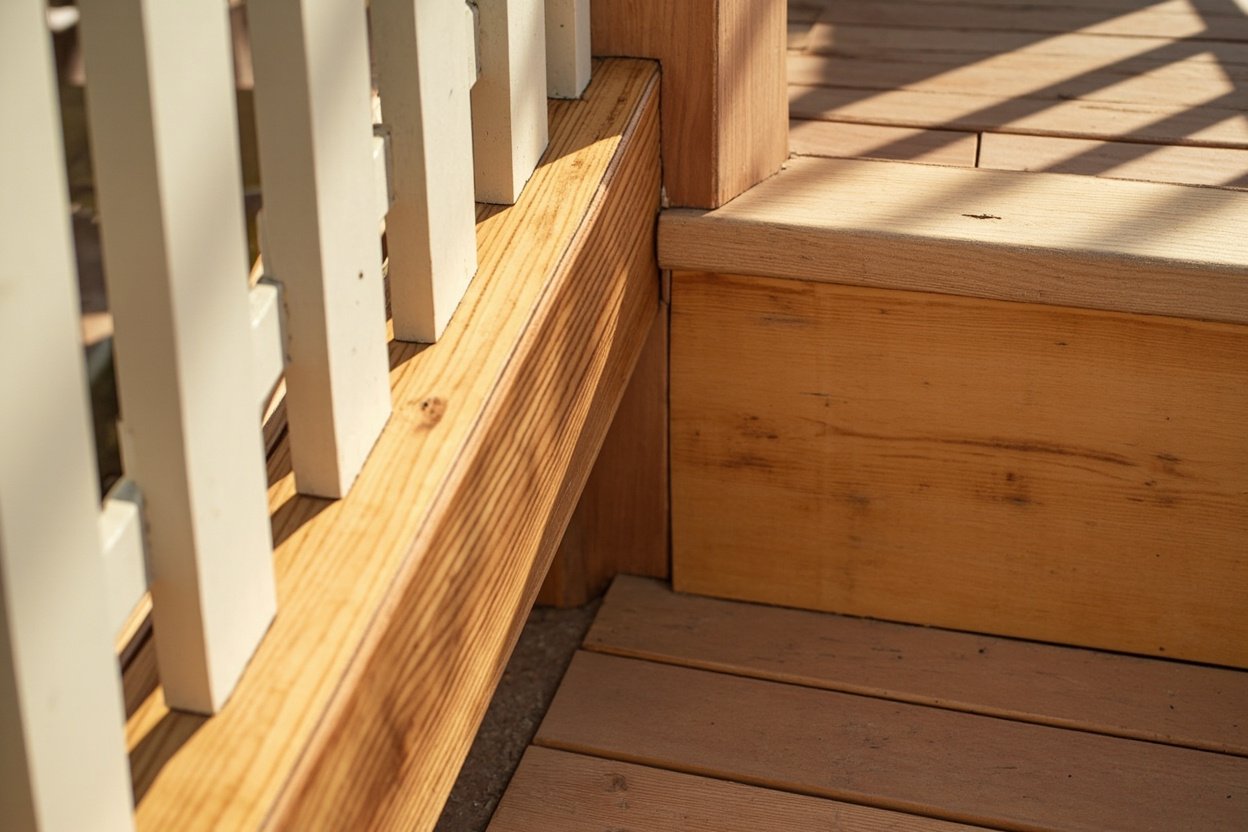
The weather exposure in our area also means that proper structural framing and drainage matter more than they would elsewhere. Poorly ventilated or damp framing can develop rot faster than homeowners expect, especially if the original construction used materials not suited to our climate. Understanding these challenges helps you recognize when repairs are necessary and what quality repairs actually involve.
Common Deck Problems in the Boston Area
Several issues show up repeatedly on decks throughout Greater Boston and MetroWest. Structural framing problems often start where water collects or where wood meets concrete. If you notice bouncing or sagging when you walk across your deck, the framing underneath may be compromised.
Loose or corroded fasteners are common because the metal hardware used to hold decks together reacts with the moisture and road salt that winter brings. What looks like a small popped nail might actually indicate that the surrounding wood has begun to decay, weakening the connection.
Rotted decking boards and railings are frequent concerns, particularly on decks that have not been properly sealed or maintained. Even pressure-treated wood can develop rot if water is allowed to sit on surfaces without adequate drying time.
Stair issues deserve special attention because they bear so much weight and movement. Wobbly deck stairs often point to problems with the supporting structure beneath them, not just the visible stair treads.
Materials and Framing Considerations
Modern deck materials offer better options than what many older Boston-area decks were built with. Composite decking has improved significantly and resists the moisture-related issues that plague traditional wood decks. PVC and capped composite materials handle Boston weather particularly well because they do not absorb water or split when frozen.
That said, traditional wood still has its place. If you prefer the look of natural wood, choosing the right species and maintaining it properly can give you decades of use. Cedar and redwood have natural resistance to decay, while pressure-treated lumber remains the most affordable option for structural components.
The framing underneath your deck matters just as much as the surface materials. Proper structural framing uses correctly sized joists spaced appropriately for the decking material you choose. Beam sizing, post connections, and flashing details all contribute to how well your deck holds up over time. When we assess deck repair needs, we examine the entire structure, not just what you can see from above.
Railing Safety and Stairs
Railings exist to keep people safe, and building codes take this seriously. In Massachusetts, deck railings must meet specific height and spacing requirements. Balusters cannot be spaced so that a 4-inch sphere could pass through, and the overall railing height must typically be at least 36 inches for decks under 70 inches above grade, rising to 42 inches for higher installations.
Railing safety means checking not just the visible parts but also the connections that hold the railing to the deck structure. A solid-looking railing that is loosely attached poses real danger, particularly to children and elderly family members.
Deck stairs require similar attention. Each step needs consistent rise and run dimensions for safe use. The connections between stringers and deck framing, as well as the attachment of stair treads, should be examined regularly. Open risers are common in modern deck designs but require careful attention to edge finishing.
When to Repair Versus Replace
Not every deck problem requires a complete rebuild. If the damage is limited to surface boards or a few railing sections, targeted repairs often make sense. We commonly see decks where the surface is worn but the underlying structure remains sound.
However, some situations call for more extensive work. Extensive framing damage, multiple failed ledger connections, or decks that were originally built with inadequate materials may benefit from partial or full reconstruction. Trying to patch a fundamentally flawed structure often costs more in the long run than addressing the root issues properly.
The age of your deck matters too. Decks built before modern building codes and material options were established often lack features that provide durability and safety. If your deck is approaching twenty years old and showing multiple problems, a thorough evaluation can help you understand your options.
Planning Your Boston Deck Repair
Before starting any deck repair project in the Greater Boston area, it helps to understand what the process involves. Most municipalities in Boston, Newton, Brookline, and surrounding towns require permits for structural deck work. This means the repair plans need to meet current building codes, which often means improvements over the original construction.
Seasonal planning matters in our climate. Spring through early fall typically offers the best window for deck repairs, giving new materials time to cure and seal before winter arrives. That said, we can assess damage and plan projects year-round, and many repairs can proceed even in cooler temperatures.
Regular maintenance extends the life of any deck. Annual inspections catch small problems before they become big ones. Checking fastener tightness, resealing wood surfaces, and keeping debris out of drainage areas all help your deck weather Boston seasons better.
Ready to discuss your project? Visit https://advanceddeckandporch.com/ or call (857) 837-2100 to schedule a free onsite estimate.
Advanced Deck & Porch is a brand owned and operated by Sun Shore Construction. All estimates, contracts, and construction services are provided by Sun Shore Construction.
When planning your deck repair Boston project, focus on clear scope, quality materials, and professional installation.