
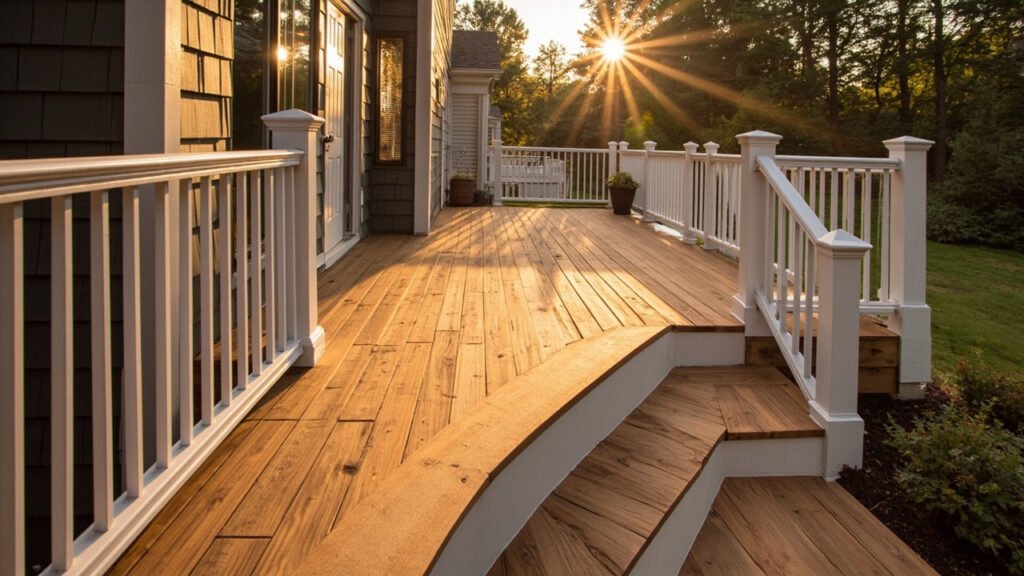
Building or replacing a deck is a significant investment for any homeowner in the Boston area. Whether you are expanding your living space for summer gatherings or adding value to your home before listing it on the market, the decisions you make during the planning phase will affect your deck for decades. Choosing a local deck builder who understands Greater Boston’s unique climate, soil conditions, and permit requirements makes all the difference between a structure that stands strong through New England winters and one that needs constant repairs.
Boston’s Climate Demands Thoughtful Deck Planning
The weather exposure in Massachusetts creates specific challenges that deck builders must account for from the start. Freezing temperatures, heavy snow loads, humidity swings, and coastal moisture all take their toll on outdoor structures. A well-built deck in Newton or Wellesley needs to handle freeze-thaw cycles that can crack concrete footings and warp wood if the wrong materials or techniques are used.
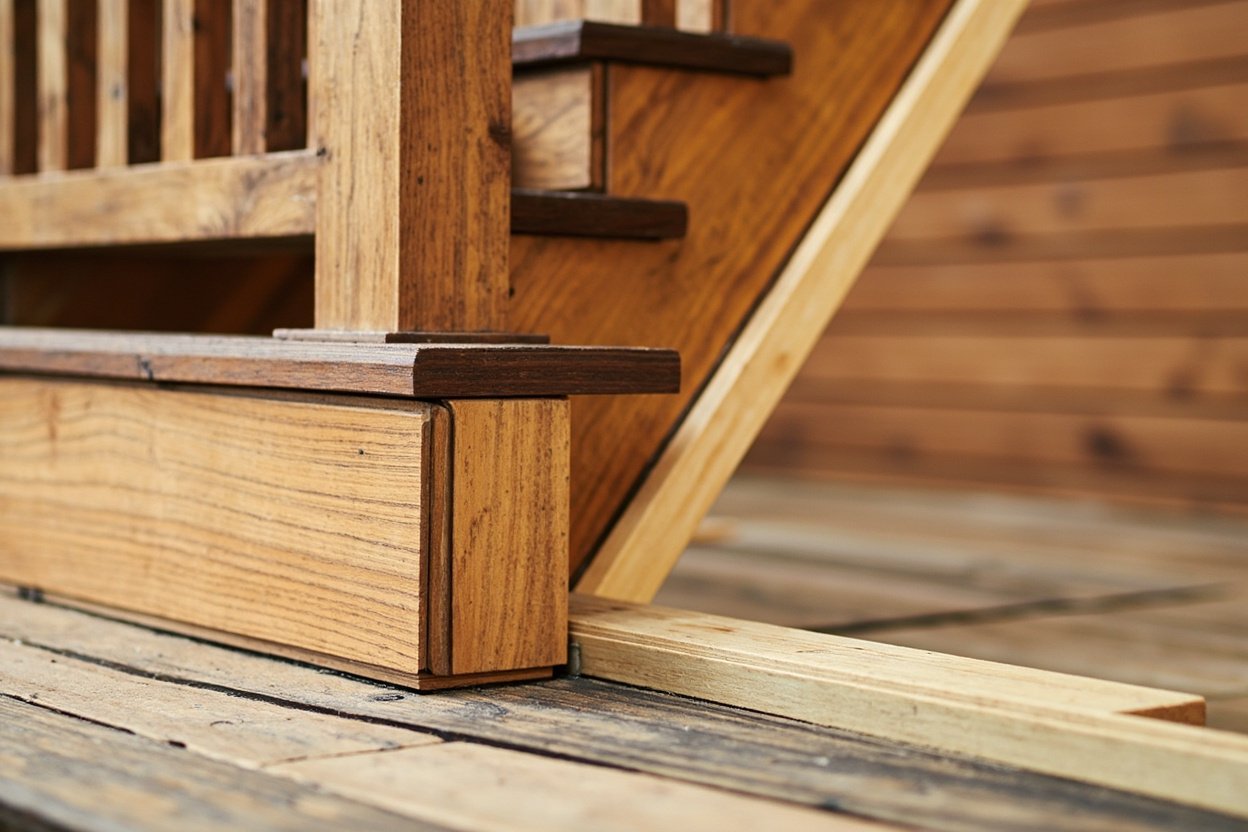
Weather exposure also affects your choice of deck materials. Traditional pressure-treated wood remains popular, but many homeowners in Brookline and Weston are now choosing composite decking for its durability and minimal maintenance requirements. Composite materials resist moisture absorption, which helps prevent the splitting and rotting that often shortens the lifespan of wood decks in our climate. The initial investment is higher, but many find the long-term savings on staining, sealing, and repairs worthwhile.
Structural Framing: The Foundation of a Lasting Deck
The structural framing determines whether your deck will stay level and secure through decades of use. Proper footing depth is critical in areas like Lexington and Wayland, where frost lines can reach well below the surface. A deck builder who cuts corners on footings may save money upfront, but the consequences show up within a few years as settling, sagging, or even collapse under snow load.
Quality framing also means using appropriately sized beams and joists for your deck’s dimensions. A larger deck in Westwood or Canton needs more support than a small platform, and the framing plan must account for the weight of furniture, people, and snow accumulation. Ask your deck builder about their approach to load calculations and what materials they use for connectors and fasteners, since these details affect long-term structural integrity.
Railing Safety and Stairs: Meeting Code Requirements
Railing safety is not optional in Massachusetts. Local building codes specify minimum railing heights, spacing between balusters, and load requirements that protect your family and guests. A professional deck builder in Boston will ensure your railings meet or exceed these standards while still looking clean and attractive.
Stairs deserve equal attention. The rise and run of each step must be consistent throughout the run, and handrails are required on most residential stairs. Poorly designed stairs create tripping hazards and frustrate daily use. If your property in Natick or Bedford has sloped terrain, your deck builder should explain how they will address the grade while maintaining safe, comfortable access.
Navigating Permits and Regulations in Greater Boston
Most municipalities in the Boston metro area require permits for new deck construction and significant rebuilds. The requirements vary between towns, so a deck builder familiar with local regulations in Quincy, Braintree, and Weymouth can save you time and prevent costly mistakes. Typically, permits require detailed plans showing dimensions, materials, footings, and structural connections.
Some neighborhoods in Milton, Wellesley, and Brookline have additional restrictions through homeowners associations or historic commissions. Your deck builder should help you understand these requirements before you finalize your design. Skipping this step can lead to mandatory modifications or fines after construction begins, turning an exciting project into a stressful ordeal.
Planning for Maintenance and Long-Term Value
Even the best-built deck benefits from regular maintenance planning. Wood decks need periodic cleaning, sealing, and inspection for loose fasteners or boards. Composite decking reduces this workload significantly, though occasional washing keeps it looking its best. Your deck builder should explain the expected maintenance needs for your chosen materials so you can plan accordingly.
Consider how your deck will age alongside your home. If you expect to stay in your house for many years, investing in higher-quality materials and professional construction pays dividends in both durability and enjoyment. If you plan to sell soon, a low-maintenance deck with modern aesthetics can improve your home’s market appeal to buyers in competitive areas like Wayland and Acton.
Ready to discuss your project? Visit our deck and porch services page or call (857) 837-2100 to schedule a free onsite estimate.
Advanced Deck & Porch is a brand owned and operated by Sun Shore Construction. All estimates, contracts, and construction services are provided by Sun Shore Construction.