
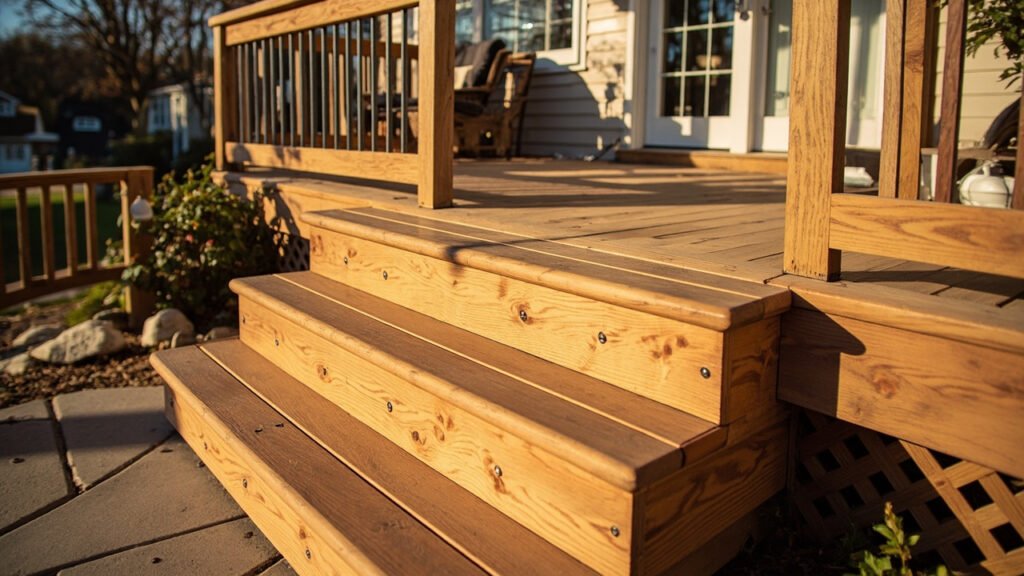
When it comes to adding or upgrading deck stairs in the Boston area, homeowners face unique challenges that go far beyond simple construction. New England weather, local building codes, and the natural settling of older homes in communities like Newton, Brookline, and Wellesley all play a role in how your deck stairs should be designed and built. Understanding these considerations before you begin your project can save you from costly repairs down the road and ensure your new stairs are safe, durable, and code-compliant.
Why Deck Stairs Matter More Than You Might Think
Deck stairs are often treated as an afterthought, but they are one of the most critical safety features of any elevated deck. Poorly constructed stairs can become a serious hazard, especially during Boston’s icy winters when surfaces become slick with frost or snow. Beyond safety, well-designed deck stairs add functional value to your outdoor space, making it easy to move between your yard and elevated deck area throughout the year.
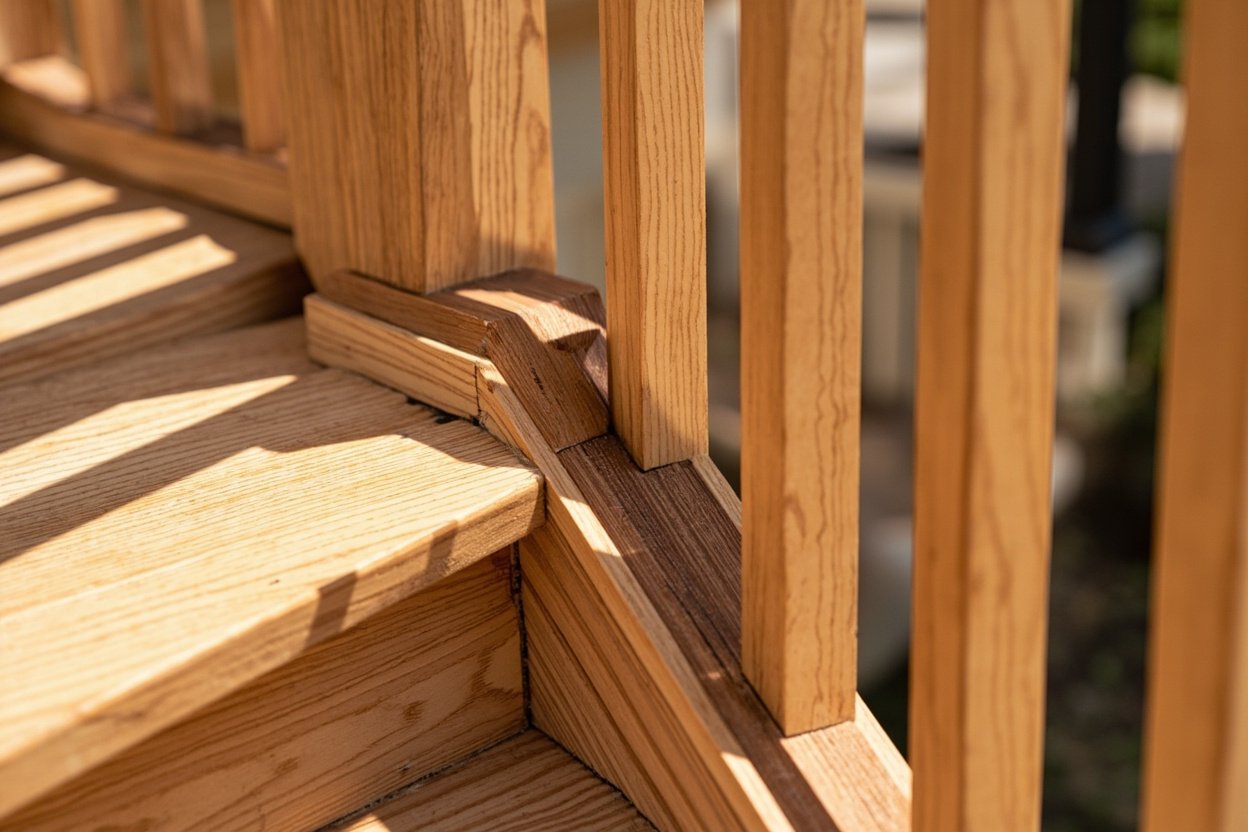
Whether you are building new stairs as part of a complete deck construction project or replacing worn-out stairs on an existing deck, taking time to plan properly pays off. The structural integrity of your stairs depends on everything from the framing beneath the surface to the materials you choose for the treads and railings.
Navigating Boston Area Building Codes and Permits
One of the first steps in any deck stairs project is understanding local building requirements. Communities across Greater Boston, from Lexington to Quincy, have specific codes that govern deck construction, including stairs. Most municipalities require permits for deck projects that exceed a certain height or size, and stairs are always included in this evaluation.
Generally, deck stairs must meet requirements for rise and run, which refers to the height of each step and the depth of each tread. Standard residential code typically calls for a rise of no more than 7 to 8 inches per step and a run of at least 10 inches. Landing requirements at the top and bottom of stairs are also common, ensuring safe transition points between the stairs and the ground or deck surface.
Before starting any work, check with your local building department in your specific town. Requirements can vary, and working with a contractor who understands the nuances of Boston-area codes helps ensure your project passes inspection the first time.
Structural Framing: The Foundation of Safe Deck Stairs
Strong deck stairs start with proper structural framing. The framing must be designed to handle the weight and stress of daily use, which means using appropriately sized lumber and secure connection methods. In the Boston area, where soil conditions vary and older homes may have settled over time, careful attention to foundation and support is essential.
Stringers, the diagonal boards that support the treads, must be cut from quality pressure-treated lumber rated for ground contact if they will be near soil or moisture. The connection between the stairs and the deck frame should use heavy-duty hardware, including metal brackets and structural screws, rather than nails alone. This is especially important in areas prone to high winds or seismic activity, where extra reinforcement helps prevent failure.
For decks that are elevated significantly off the ground, additional support posts and footings beneath the stairs may be required. These concrete footings provide a stable base that resists frost heave, a common concern during Boston winters when freezing and thawing cycles can shift foundations.
Choosing the Right Materials for Boston Weather
Material selection plays a huge role in how well your deck stairs hold up to New England conditions. Harsh winters, humid summers, and exposure to road salt and de-icing chemicals all take a toll on outdoor structures. Choosing materials that can withstand these challenges reduces maintenance needs and extends the life of your investment.
Composite decking has become a popular choice for deck stairs in the Boston area. Unlike traditional wood, composite materials resist moisture absorption, warping, and splintering. This makes them particularly well-suited for stairs, where foot traffic is highest and surfaces are most vulnerable to wear. Composite treads also provide better traction when wet compared to some smooth wood surfaces, though adding non-slip strips or textures is always a good safety measure.
If you prefer the look of natural wood, select pressure-treated lumber rated for outdoor use and apply regular sealants to protect against moisture penetration. Regardless of material choice, planning for proper drainage away from the stairs helps prevent water from pooling and causing damage over time.
Railing Safety and Code Compliance
Railing safety is non-negotiable when it comes to deck stairs. In most jurisdictions, any stairs with more than a few steps require secure handrails on at least one side. Railings must be at a specific height, typically 34 to 38 inches measured from the tread nosing, and must be able to withstand a certain amount of force without failing.
Balusters, the vertical posts between the top and bottom rails, must be spaced closely enough to prevent a child from slipping through. Gaps should be no more than 4 inches apart. This is a common point of inspection failure, so careful measurement during installation is essential.
For homeowners in communities like Weston, Wellesley, and Needham, aluminum or vinyl railings offer low-maintenance options that resist corrosion and require minimal upkeep. Wood railings remain popular for their classic appearance but require regular painting or staining to maintain their look and structural integrity.
Maintenance Planning for Long-Term Performance
Even the best-constructed deck stairs benefit from regular maintenance, particularly in the demanding Boston climate. Seasonal inspections help catch small problems before they become major repairs. Check for loose boards, rust on hardware, cracks in treads, and any movement in the framing that might indicate settling or water damage.
Before winter arrives, take time to clear debris from the stair area and ensure drainage is working properly. Applying a fresh coat of sealant to wood components in the fall provides an extra layer of protection against moisture infiltration during freeze-thaw cycles. If you have composite stairs, simply cleaning them with mild soap and water keeps them looking their best.
Creating a simple annual maintenance checklist makes it easier to stay on top of these tasks. This proactive approach protects your investment and keeps your deck stairs safe for family and guests throughout the year.
When Professional Installation Makes Sense
While some homeowners feel comfortable tackling minor deck repairs, deck stairs construction typically benefits from professional expertise. The complexity of proper framing, the need to meet exact building codes, and the importance of structural safety all argue for experienced contractors who understand local requirements.
A professional contractor brings knowledge of local soil conditions, proper connection techniques, and material selection that comes from years of working in the Greater Boston area. They can also handle the permit process and coordinate inspections, taking the guesswork out of compliance.
Ready to discuss your project? Visit our deck and porch services page or call (857) 837-2100 to schedule a free onsite estimate.
Advanced Deck & Porch is a brand owned and operated by Sun Shore Construction. All estimates, contracts, and construction services are provided by Sun Shore Construction.