
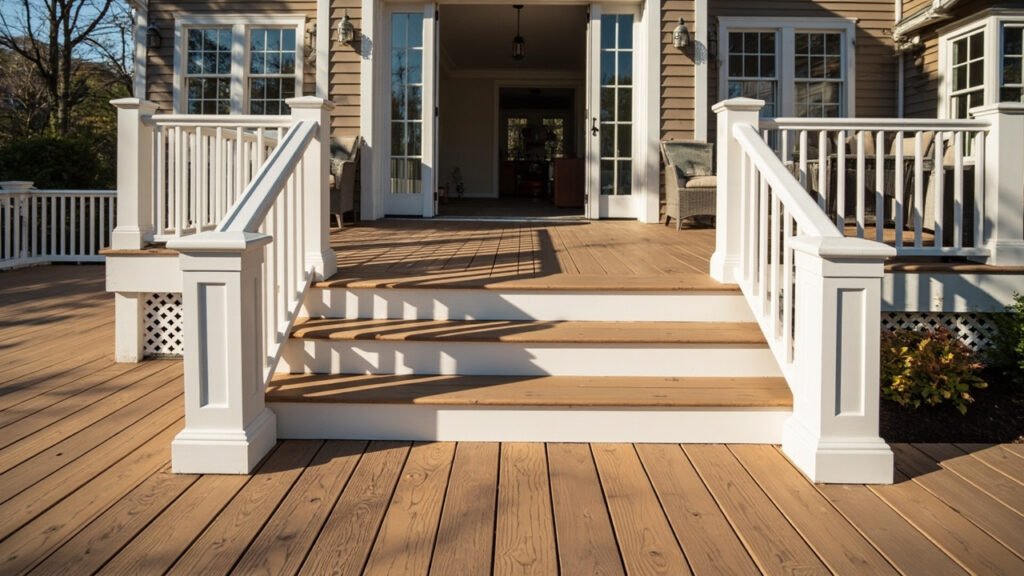
If your deck has seen better days, you are not alone. After the long New England winters and humid summers, even the most well-built decks in Boston, Newton, Brookline, and surrounding towns need attention eventually. Whether you are dealing with loose boards, a wobbly railing, or more serious structural issues, understanding the basics of deck repair helps you make smart decisions for your home.
Common Signs Your Deck Needs Repair
Boston’s climate puts decks through a lot. Freeze-thaw cycles, heavy snow loads, and moisture exposure take their toll. Watch for signs like soft or discolored boards, especially near posts and ledger boards where water tends to collect. If your deck feels bouncy when you walk across it, that often points to issues with the structural framing underneath. Railing instability is another red flag, as it affects safety for everyone using the space. Stairs that sag or creak excessively typically indicate problems with the stringers or supporting joists. Even minor gaps between boards can let water seep into the framing, leading to bigger problems down the road.
Weather Considerations for Boston Decks
Planning deck repairs in Greater Boston means thinking about how our local weather affects materials and construction methods. Snow accumulation puts significant weight on decks, which is why proper structural framing and load calculations matter. The freeze-thaw cycle that defines our winters can crack concrete footings and cause wood to splinter if water gets into small openings. Experienced contractors in the area understand how to account for these conditions when recommending repairs. Many homeowners in Wellesley, Weston, and Westwood are choosing Composite decking for its resistance to moisture and minimal maintenance needs. While the upfront cost is higher, it holds up better against our seasonal extremes and does not require the annual sealing that wood demands.
Structural Framing and Safety Features
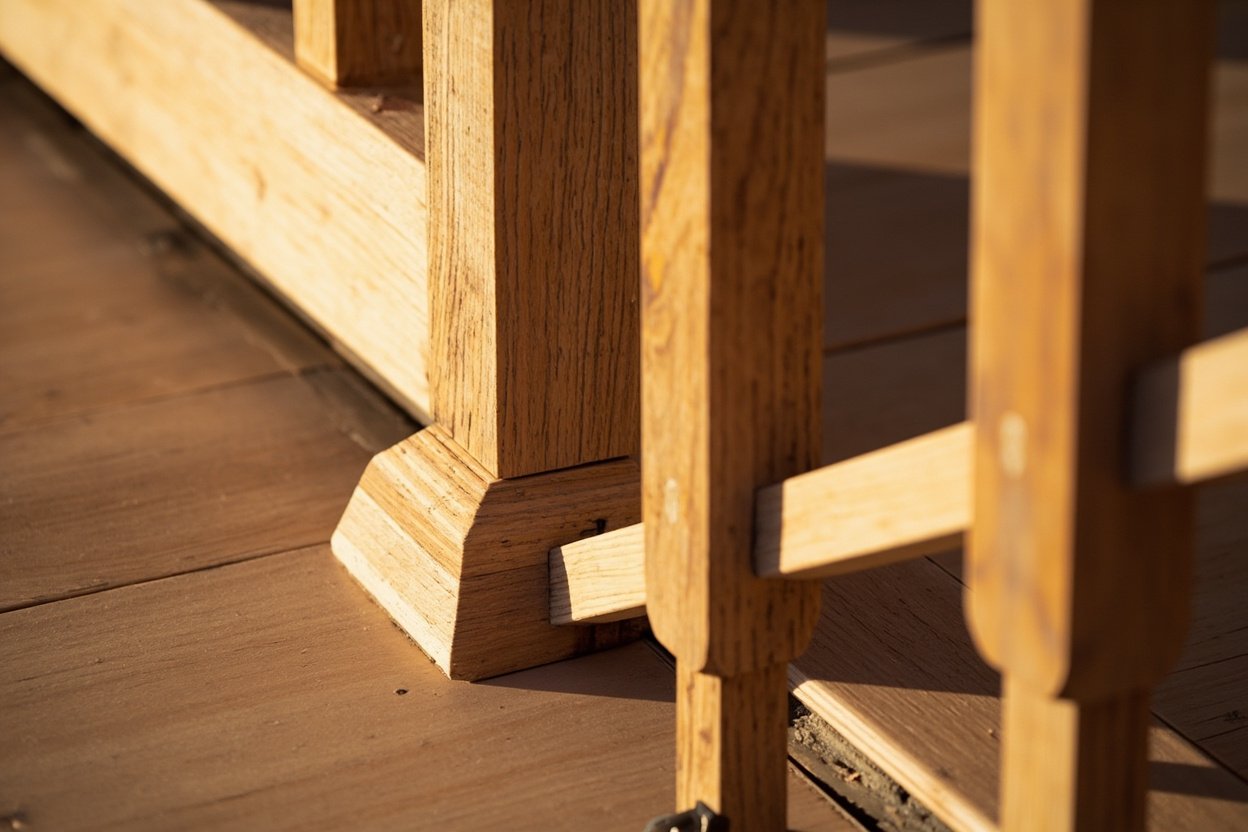
When evaluating deck repair needs, the structural framing is where serious problems often hide. The ledger board that connects the deck to your house is critical, and improper installation or water damage here can compromise the entire structure. Posts set in concrete need to be checked for movement or cracking. Joists and beams should be properly sized and spaced according to local building codes. Railing safety is not something to compromise on, especially in households with children or elderly family members. Secure balusters, sturdy posts, and proper railing heights protect everyone who uses the deck. If your stairs show signs of wear, having them assessed as part of your overall repair plan makes sense, since the framing for stairs connects directly to the main deck structure.
Permits and Local Requirements
Before starting any deck repair project in MetroWest communities like Natick, Wayland, or Lexington, check with your local building department. While not all repairs require permits, anything that involves structural changes, adding or modifying stairs, or changing the deck height typically does. Each town in our service area has its own process and inspection requirements. Working with a contractor who knows the local codes speeds up the process and ensures your repairs meet all safety standards. This is especially important if you are planning to sell your home, as inspections often reveal deck issues that need correction.
Choosing Materials for Long-Term Value
Modern deck materials offer more options than ever for Boston homeowners. Traditional pressure-treated lumber remains popular for its affordability and durability when properly maintained. Composite decking provides a low-maintenance alternative that resists fading, staining, and moisture damage. Some homeowners opt for tropical hardwoods like ipe for their natural beauty and longevity, though these materials require more upkeep and come with a higher price tag. Think about how you use your deck and what level of maintenance you are willing to commit to when making your material choice. A reputable contractor can explain the pros and cons of each option based on your specific situation and budget.
Maintenance Planning After Repairs
Once your deck repairs are complete, establishing a simple maintenance routine extends the life of your investment. Inspect your deck each spring after the snow melts to catch any winter damage early. Clean debris from between boards and from around posts to prevent moisture buildup. If you have a wood deck, plan to reseal it every year or two depending on the product used and sun exposure. Check railing connections and stair stability annually, tightening any loose hardware. Small repairs caught early prevent larger, more expensive problems later. Keeping gutters clean and directing water away from the deck also helps protect the structural elements from excess moisture.
Ready to discuss your project? Visit our deck and porch services page or call (857) 837-2100 to schedule a free onsite estimate.
Advanced Deck & Porch is a brand owned and operated by Sun Shore Construction. All estimates, contracts, and construction services are provided by Sun Shore Construction.