
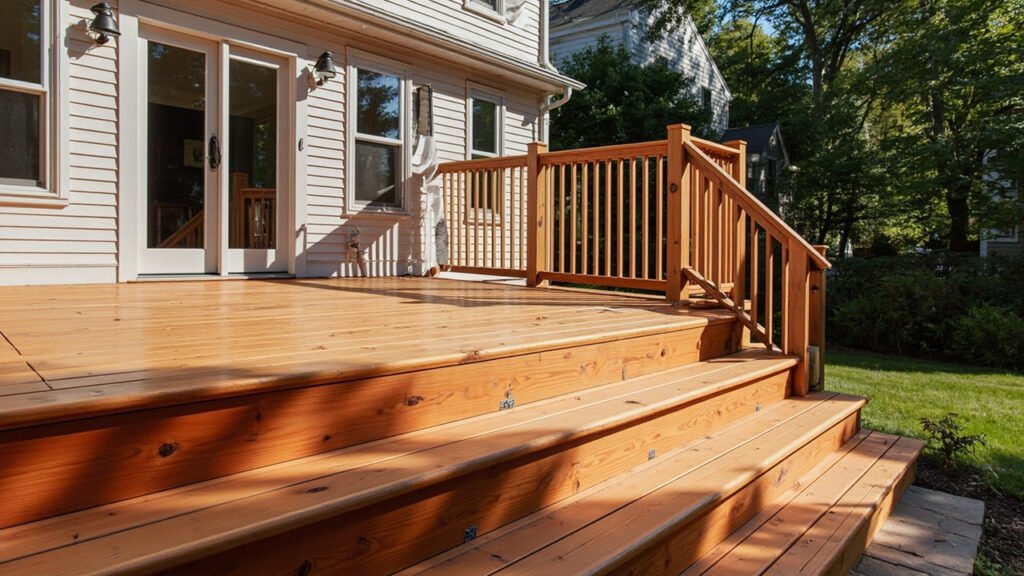
Building a deck in the Boston area is an exciting investment that can transform your outdoor living space and add significant value to your home. However, deck construction in Greater Boston comes with unique considerations that go beyond simply choosing attractive materials. From understanding how our New England weather impacts structural integrity to navigating local permit requirements, being informed helps you make better decisions for your project.
Understanding Boston’s Climate and How It Affects Your Deck
The Greater Boston region experiences dramatic weather changes throughout the year, from humid summers to harsh winters with freeze-thaw cycles. This seasonal variation puts significant stress on outdoor structures, making proper construction practices essential. When planning deck construction in Boston, you need to account for moisture exposure, temperature fluctuations, and the potential for heavy snow loads during winter months.
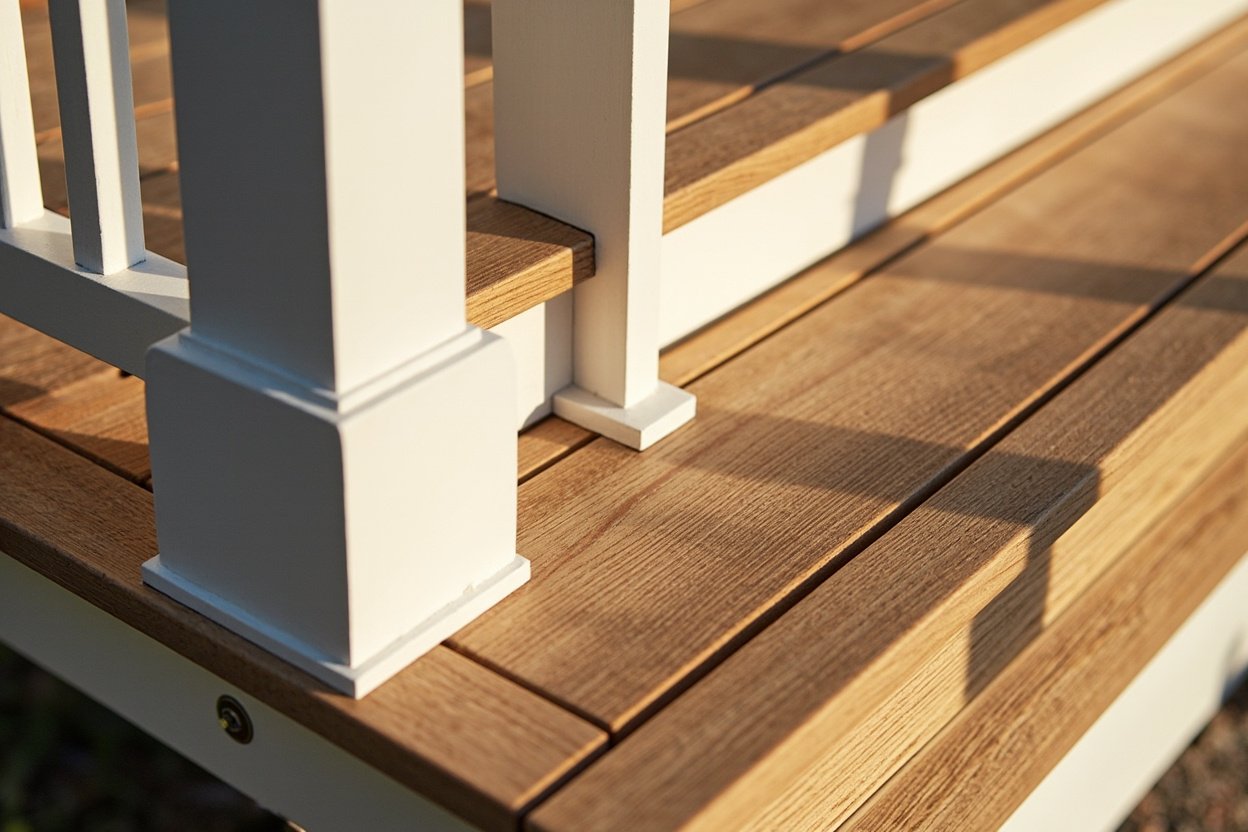
Weather exposure is one of the primary factors that determines how long your deck will last and how much maintenance it will require over time. Decks built without proper consideration for drainage and ventilation often develop problems faster in our climate. Working with experienced contractors who understand these local conditions helps ensure your deck is built to withstand years of New England weather.
Choosing the Right Deck Materials for Massachusetts Weather
Selecting appropriate deck materials is one of the most important decisions you’ll make during the planning process. Traditional wood decking requires regular maintenance to prevent rot, warping, and weather damage. Many Boston homeowners are discovering that composite decking offers an attractive alternative that handles our climate exceptionally well while reducing long-term maintenance demands.
Composite decking resists moisture absorption, won’t splinter, and maintains its appearance without the need for annual staining or sealing. While the upfront cost may be higher than traditional wood, many homeowners find that the reduced maintenance requirements and longer lifespan make it a smart investment for our demanding weather conditions.
Other material options include pressure-treated lumber, which remains popular for its durability and affordability, and hardwoods like Ipe that offer natural resistance to decay. Each material has its own maintenance requirements and expected lifespan, so discussing your priorities with a qualified contractor helps determine the best fit for your home and lifestyle.
Structural Framing: The Foundation of a Safe Deck
Proper structural framing is the backbone of any safe, long-lasting deck. In the Boston area, where snow loads can be substantial, ensuring your deck has adequate support is not just important for durability but for safety as well. Quality deck construction starts with correctly sized beams, proper joist spacing, and secure connections to your home’s structure.
Deck stairs require careful attention to code requirements for rise and run dimensions, as well as proper handrail installation. Stairs that are built too steeply or without adequate landing space can create safety hazards, especially during icy winter conditions common in Newton, Wellesley, and surrounding communities. Similarly, deck railings must meet specific height and spacing requirements to provide proper protection without compromising the appearance of your outdoor space.
Railing safety extends beyond meeting minimum code requirements. For homes with children or elderly family members, additional considerations may be warranted. Quality railings should feel sturdy and secure while maintaining the aesthetic appeal you want for your outdoor living area.
Navigating Permits and Local Requirements
Before beginning any deck construction in the Greater Boston area, understanding permit requirements is essential. Most municipalities in our service area, including Brookline, Quincy, and Lexington, require permits for deck construction that exceed certain size thresholds or height specifications. Requirements vary by town, so working with contractors familiar with local regulations helps streamline the process.
Permit applications typically require detailed plans showing structural framing, material specifications, and compliance with setbacks and zoning requirements. Some historic districts and conservation areas may have additional restrictions that affect deck design and materials. Experienced local contractors understand these requirements and can help navigate the approval process efficiently.
Planning for Long-Term Enjoyment
A well-built deck is an investment in your home’s future. Creating a maintenance plan during the design phase helps protect that investment for years to come. Even low-maintenance materials benefit from occasional cleaning and inspection, particularly after severe weather events.
Consider how you plan to use your deck when making design decisions. Built-in seating, lighting options, and appropriate sizing for furniture and gatherings all contribute to how much you’ll enjoy your outdoor space. Front porch construction can enhance curb appeal and create welcoming entryways, while backyard decks become natural extensions of your living area for entertaining and relaxation.
Ready to discuss your project? Visit our deck and porch services page or call (857) 837-2100 to schedule a free onsite estimate.
Advanced Deck & Porch is a brand owned and operated by Sun Shore Construction. All estimates, contracts, and construction services are provided by Sun Shore Construction.