
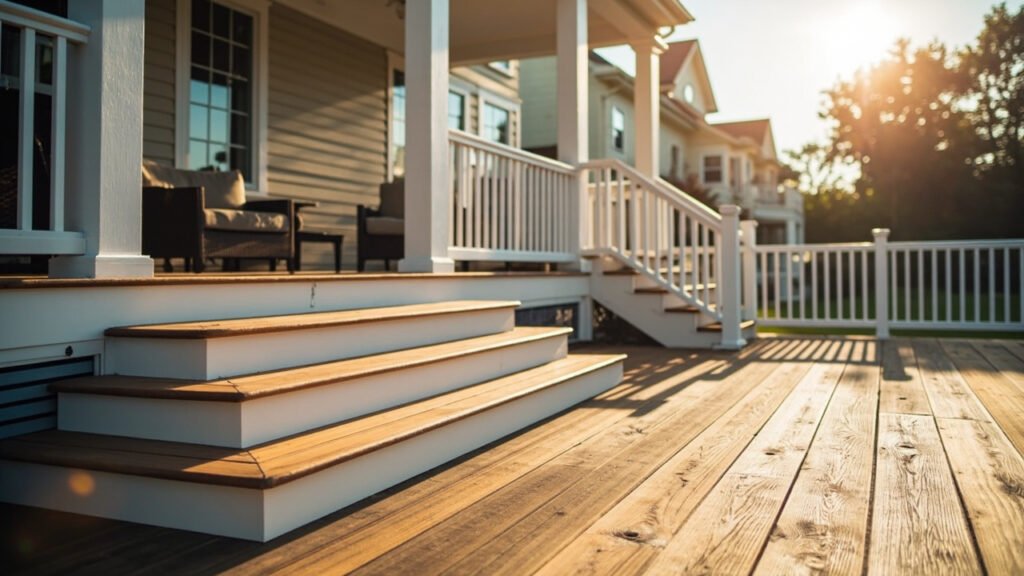
If you are thinking about adding a deck or rebuilding one that has seen better days, you are probably looking at composite decking as an option. It makes sense. Composite deck boards resist rot, splinters, and the constant wet-dry cycles that come with Boston-area weather. Before you hire a composite deck installer in Boston, it helps to understand what separates a solid build from one that gives you problems down the road.
Why Composite Decking Works Well for Boston Properties
Massachusetts weather is demanding. Summers are humid, winters bring snow and ice, and spring can swing between warm sun and cold rain in the same week. That kind of exposure tests every outdoor structure, and wood decks can struggle under those conditions without regular sealing and upkeep.
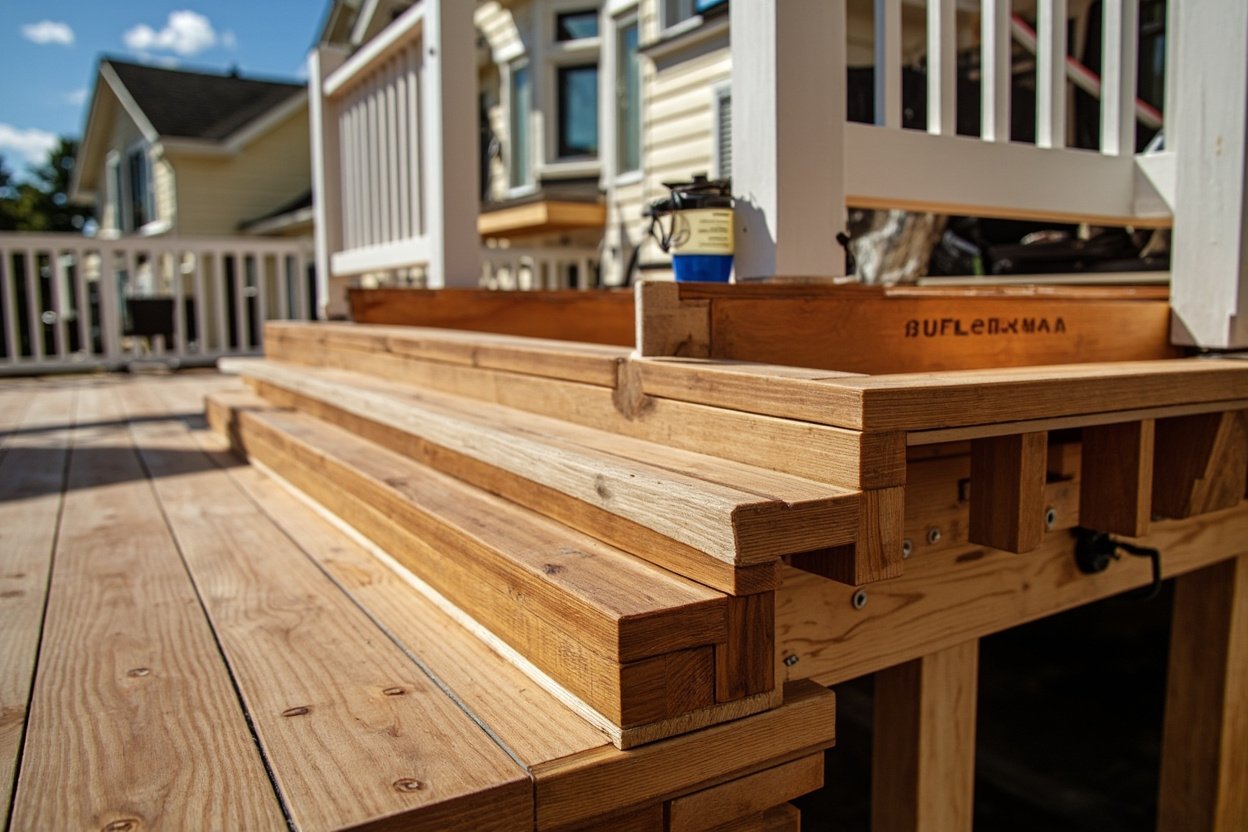
Composite decking handles this environment more gracefully. The material is made from a blend of wood fibers and recycled plastics, which gives it strength and resistance to moisture. It does not warp or crack the way natural wood can, and it holds its color longer without staining or sealing every year. That makes it a practical choice for homeowners in Greater Boston, MetroWest, and the surrounding towns who want a deck that looks good without constant maintenance.
What Goes Into a Well-Built Deck Structure
Beautiful deck boards sitting on a weak frame do not make a safe deck. Structural framing is the backbone of any deck project, and it is one of the areas where cutting corners causes the most trouble over time. In the Boston area, ground conditions vary. Some neighborhoods have dense clay soil, others have sandy loam. A qualified installer checks the soil and uses the right footings and support posts for the conditions.
Pressure-treated lumber is the standard for deck framing in our region because it resists moisture and insect damage. The beams, joists, and posts must be sized correctly for the span distances and the load the deck will carry. That includes accounting for snow load during winter, which is a real concern in towns like Wellesley, Weston, Newton, and Lexington where heavy snowfall is common.
Proper flashing and drainage planning also matter. Water should be directed away from the house and the deck structure. Without thoughtful detailing, moisture collects in corners and leads to premature decay even with composite boards on top.
Railings and Stairs: Safety Details That Matter
Railing safety is not optional. Decks more than 30 inches above grade require guards that meet Massachusetts building codes. That means the right height, the right spacing between balusters, and secure attachment to the structural framing. In Boston and surrounding communities, building inspectors pay close attention to these details during the permit process.
Stairs deserve equal attention. The rise and run of each step must be consistent. A single step that is even a quarter inch off from the others creates a tripping hazard. Handrails are required on one or both sides depending on the width and configuration. Poorly built stairs are one of the most common complaints we see in deck repairs and rebuilds across Milton, Quincy, Braintree, and Weymouth.
For railings, homeowners have several material options. Aluminum offers a sleek, low-maintenance look. Composite railing systems match the deck boards for a unified appearance. Tempered glass panels provide unobstructed views while still meeting code requirements. Each choice has its own maintenance profile and cost consideration.
Permits and Planning in Greater Boston Communities
Most deck projects in the Boston area require a building permit. The specific requirements vary by town. Some communities in MetroWest have a straightforward process, while others in Boston proper have more involved review especially for larger decks or projects that involve the primary structure.
Working with a local installer means understanding what each town requires. In Brookline or Newton, setbacks and lot coverage limits affect where a deck can sit. In Westwood, Norwood, and Canton, historic district reviews may apply depending on the property. In Burlington, Bedford, and Billerica, permit timelines can vary. A contractor who works across these communities knows how to navigate the local requirements and get the paperwork right the first time.
Maintenance planning is another area where a good installer adds value. Even though composite decking requires far less upkeep than wood, it is not completely maintenance-free. Periodic cleaning, checking the hardware, and inspecting the flashing all help the deck last. A contractor who walks you through these steps sets realistic expectations from the start.
What to Look for When Choosing a Deck Installer
Not all deck builders bring the same level of care to the process. Here are a few things to consider as you evaluate options for your project.
- Experience with local soil conditions and weather exposure
- Knowledge of permit requirements in your specific town
- Clear explanation of structural framing and material choices
- Detailed written estimate that covers materials, labor, and scope
- Willingness to show examples of past work in your area
Whether you are building a new front porch in Natick, repairing an aging deck in Wayland, or planning a full deck rebuild in Acton, the right contractor makes the process straightforward and the result something you can enjoy for years.
Ready to discuss your project? Visit our deck and porch services page or call (857) 837-2100 to schedule a free onsite estimate.
Advanced Deck & Porch is a brand owned and operated by Sun Shore Construction. All estimates, contracts, and construction services are provided by Sun Shore Construction.