
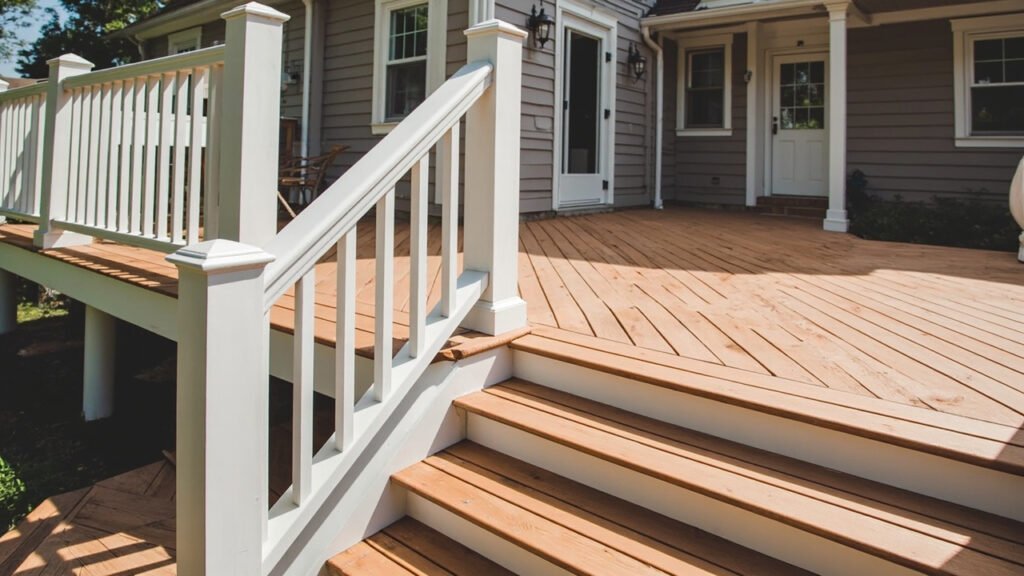
When your existing deck shows signs of wear, knowing whether to repair or replace it can feel overwhelming. For homeowners in Boston, Greater Boston, and MetroWest, deck replacement involves unique considerations tied to New England weather patterns, local building codes, and the specific challenges of aging outdoor structures. This guide walks you through everything you need to understand before your project begins.
Signs Your Boston Deck Needs Full Replacement
Not every deck problem requires a complete rebuild. However, certain warning signs indicate that deck replacement makes more sense than continued repairs. If you notice widespread rot in multiple joists or posts, warping that affects structural integrity, or a frame that has settled unevenly, replacement is likely your best option. Decks older than 15-20 years often have outdated construction that does not meet current safety standards, particularly around railing safety requirements and stair specifications.
Massachusetts weather takes a particular toll on outdoor structures. Freeze-thaw cycles, summer humidity, and coastal moisture exposure accelerate deterioration in ways that simple patching cannot address. When damage extends beyond surface-level issues, investing in a full deck replacement protects your home and family for decades ahead.
Understanding Deck Materials for New England Climates
Choosing the right deck materials significantly impacts how well your new structure withstands Boston-area weather. Traditional pressure-treated lumber remains popular for structural framing because it resists moisture and insects effectively. However, homeowners increasingly choose composite decking for its low-maintenance characteristics and long-term durability.
Composite decking resists fading, staining, and moisture absorption—all critical factors when your deck faces New England snow, rain, and temperature extremes. While the upfront cost runs higher than wood, many homeowners find the reduced maintenance requirements justify the investment. Your contractor can help you weigh the pros and cons of each material based on your specific situation and budget.
The Importance of Proper Structural Framing
A beautiful deck surface means nothing without solid structural framing underneath. During replacement, your contractor should inspect the entire support system, including ledger boards, joists, beams, and footings. Boston building codes require specific requirements for load-bearing capacity, post-installation depths, and connections to your home.
Proper flashing around the ledger board prevents water from seeping into your home’s exterior walls. Posts should sit on concrete footings that extend below the frost line—typically 48 inches in our region—to prevent frost heave damage. These structural details matter because they determine how safely your deck performs through decades of New England weather exposure.
Permits and Planning for Boston-Area Deck Projects
Before construction begins, most deck replacement projects in the greater Boston area require building permits from your local municipality. Requirements vary between cities like Newton, Wellesley, Brookline, and Quincy, so working with a contractor familiar with regional codes streamlines the process. Permit applications typically require detailed plans showing dimensions, materials, and structural specifications.
Seasonal planning matters in our climate. Spring and fall offer comfortable working conditions, but winter delays sometimes affect project timelines. Starting conversations with your contractor during winter or early spring helps ensure your deck is ready for outdoor living season. Your contractor can advise on realistic scheduling based on current demand and your specific project scope.
Stairs, Railings, and Safety Considerations
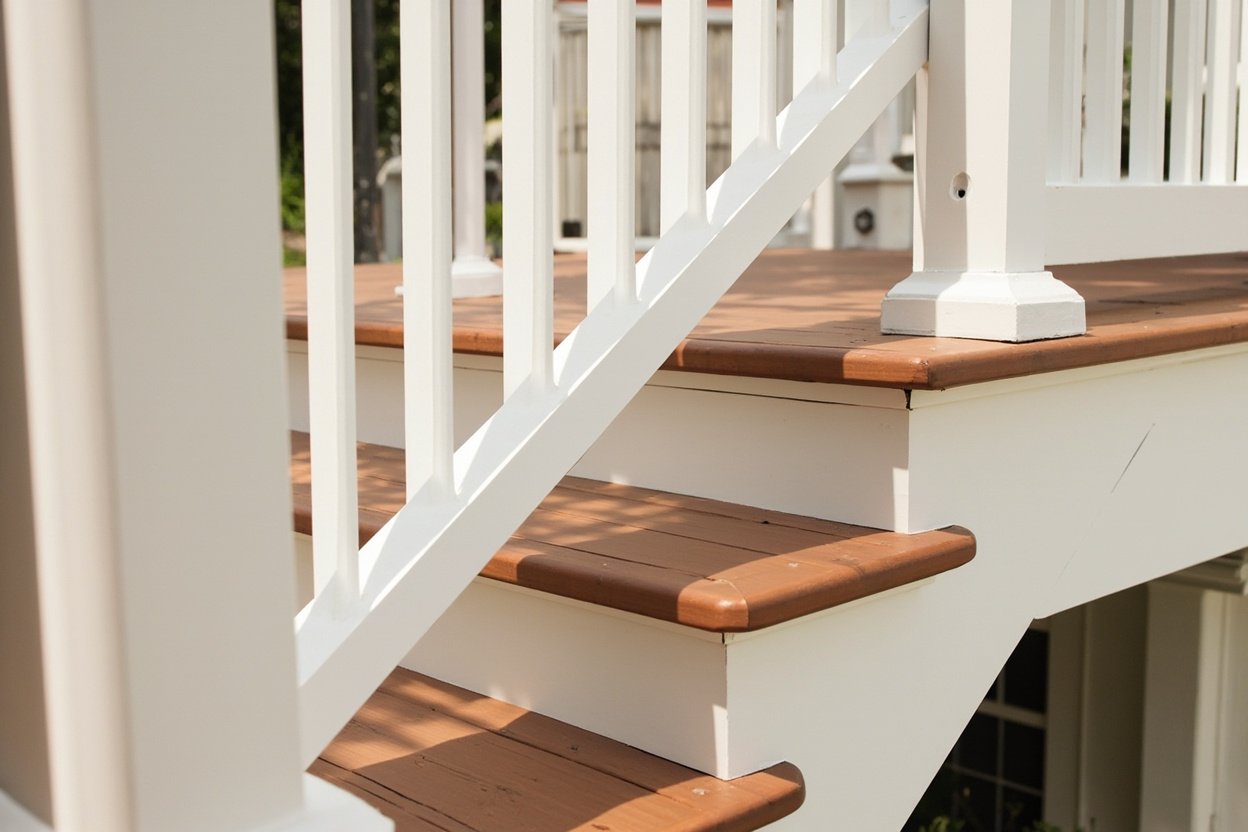
Modern building codes have specific requirements for deck stairs and railings that older decks often fail to meet. Stairs must meet precise angle, tread depth, and riser height specifications. Railings need specific height requirements and baluster spacing to prevent accidents, especially in homes with children or elderly residents.
These safety features also contribute significantly to your deck’s appearance. Contemporary railing options—including aluminum, glass, and composite materials—allow you to customize your deck’s look while meeting code requirements. Your contractor should explain your options and help you select configurations that balance safety, aesthetics, and budget.
Maintaining Your New Deck for Long-Term Performance
Once your new deck is installed, proper maintenance planning preserves your investment for years to come. Even low-maintenance composite decking benefits from occasional cleaning to remove dirt, pollen, and organic debris. Wood decks require more attention, including annual sealing and periodic inspection for damage.
Regular visual inspections help you catch potential problems early. Check for loose fasteners, standing water, and any signs of wear around posts and connections. Addressing minor issues promptly prevents them from developing into larger, more expensive problems.
Whether you choose composite decking or traditional wood, investing in quality materials and professional installation pays dividends through improved longevity, safety, and enjoyment. A well-built deck becomes a favorite gathering space for family and friends throughout the Boston area’s relatively brief but precious outdoor season.
Ready to discuss your project? Visit our deck and porch services page or call (857) 837-2100 to schedule a free onsite estimate.
Advanced Deck & Porch is a brand owned and operated by Sun Shore Construction. All estimates, contracts, and construction services are provided by Sun Shore Construction.