
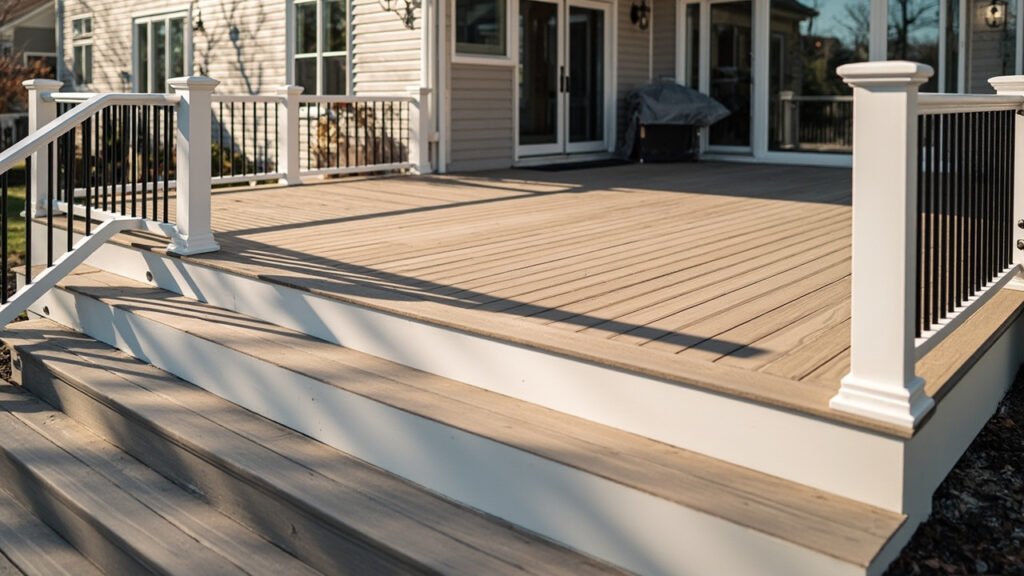
Building or renovating a deck in the Boston area comes with its own set of considerations. New England weather cycles through humid summers, harsh winters, and everything in between, which means your deck materials need to handle significant stress over time. If you have been researching deck options, you have probably noticed that composite decking has become a popular choice for homeowners in Boston, Newton, Brookline, and surrounding communities. Understanding what goes into proper composite deck installation can help you make confident decisions about your outdoor space.
Weather Exposure and What It Means for Deck Materials
Boston-area decks face real challenges from the elements. Snow accumulation during winter months puts pressure on structural framing, while freeze-thaw cycles can affect fasteners and connections over time. Summer humidity brings its own concerns, as moisture trapped in the wrong materials leads to rot, warping, or mold. These are the realities that a qualified composite deck installer in Boston factors into every project design.
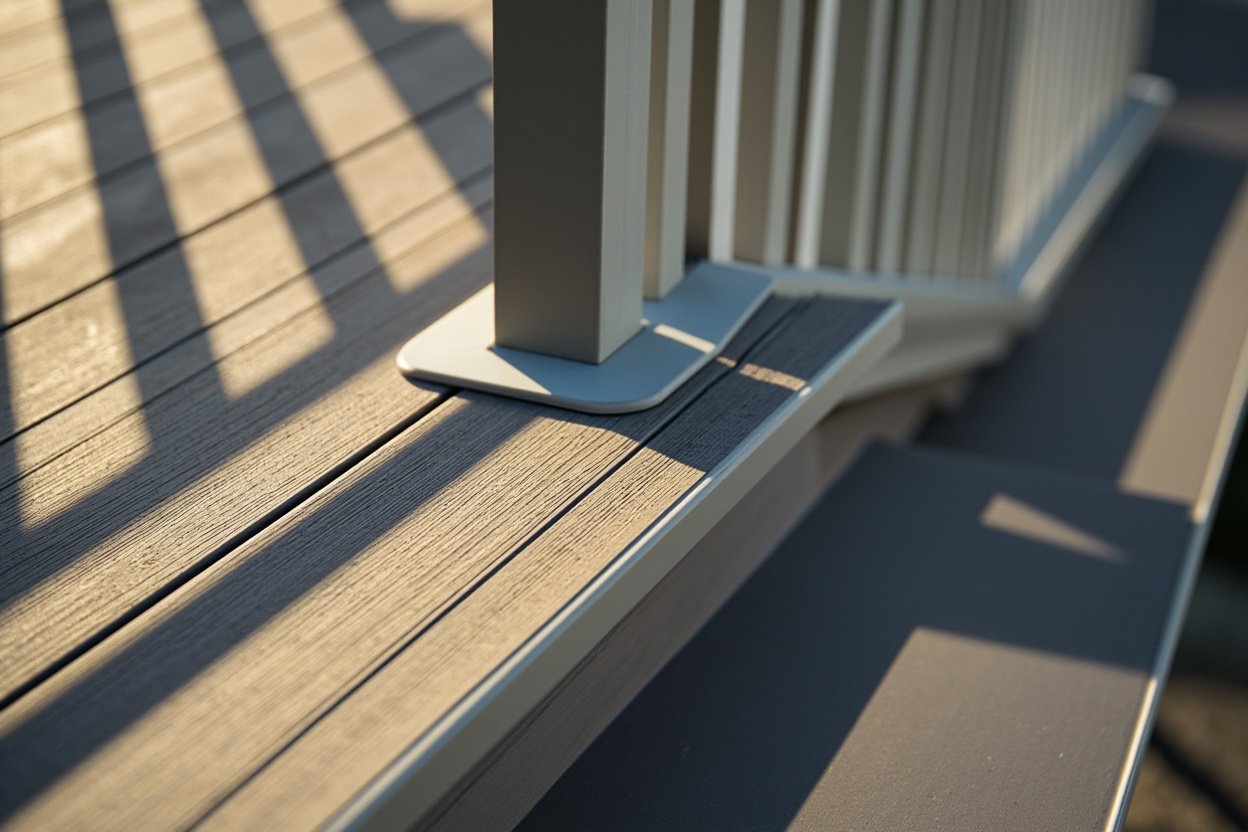
Composite decking resists moisture absorption better than traditional wood, which makes it well-suited to our regional climate patterns. When properly installed with adequate ventilation beneath the surface, a composite deck maintains its shape and appearance through multiple seasons without the constant maintenance that wood decks require. For homeowners in Wellesley, Weston, or Wayland looking to reduce ongoing upkeep, this material choice often makes sense.
The Importance of Structural Framing in New England
No matter what decking material you choose, the structural framing determines how long your deck will last. In older homes across neighborhoods like Brookline, Newton, or Quincy, existing back porches and structures may show signs of aging that are not immediately visible. That is why experienced deck builders start every project with a thorough assessment of what is already there.
Proper structural framing for Boston decks means using pressure-treated lumber or engineered beams that meet local building codes, with adequate footings sunk below the frost line. Frost depth in Massachusetts varies by specific location, but foundations must extend at least 48 inches below grade to prevent heaving during winter freeze cycles. A professional composite deck installer understands these requirements and plans accordingly, whether the project is new construction in Burlington or a deck rebuild in Lexington.
Railing Safety and Stairs: Details That Matter
Railing safety is not optional in Massachusetts. Local building codes specify minimum railing heights, baluster spacing, and load requirements that protect your family and guests. For homeowners in communities like Acton, Natick, or Westwood, these regulations apply to both decks and front porches, and they exist for good reason.
When planning stairs for your deck or porch, the rise and run of each step must meet specific standards to ensure safe navigation, particularly for children and older adults. A skilled deck contractor will integrate stairs that feel natural to walk on while meeting code requirements. Composite railing systems offer a clean, coordinated look that complements composite decking surfaces, and they require far less maintenance than wood railings that need regular staining or sealing.
Permits and Planning for Boston-Area Deck Projects
Most deck projects in Greater Boston require building permits, and the requirements vary by municipality. Some towns have stricter oversight than others, but in general, any deck that is more than 30 inches above grade will need a permit and inspection process. Front porch construction often involves additional review, especially in historic neighborhoods or communities with historic commissions.
Working with an experienced deck builder who knows the local permit process saves time and frustration. Teams familiar with building departments in Quincy, Braintree, Milton, and Canton can navigate paperwork and inspections more smoothly than homeowners attempting to manage the process independently. They can also advise on any variance requirements or HOA restrictions that may apply to your property.
Maintenance Planning for the Long Term
One of the main advantages of choosing composite decking is the reduced maintenance burden compared to wood. However, composite decks still benefit from occasional cleaning to remove debris, prevent mold buildup, and keep the surface looking its best. A straightforward maintenance plan extending across the year keeps your deck in good condition without requiring intensive annual work.
Regular tasks include sweeping leaves and debris, cleaning spills promptly, and occasional washing with mild soap and water. Checking railing connections, fasteners, and stairs annually helps catch any issues early before they become larger concerns. This kind of routine maintenance extends the life of your investment and keeps your outdoor space ready for use throughout the warmer months.
Making Informed Choices for Your Home
Selecting the right materials and planning for proper installation creates a deck that serves your family well for years to come. Whether you are building a new back porch in Wellesley, replacing an aging deck in Brookline, or adding a front porch in Weston, understanding the key elements of the process helps you feel confident in your decisions.
Take time to discuss your goals with a qualified deck contractor who understands Boston-area conditions. Ask about material options, structural approaches, and what to expect throughout the construction timeline. The best outcomes come from clear communication and realistic planning from the start.
Ready to discuss your project? Visit our deck and porch services page or call (857) 837-2100 to schedule a free onsite estimate.
Advanced Deck & Porch is a brand owned and operated by Sun Shore Construction. All estimates, contracts, and construction services are provided by Sun Shore Construction.