
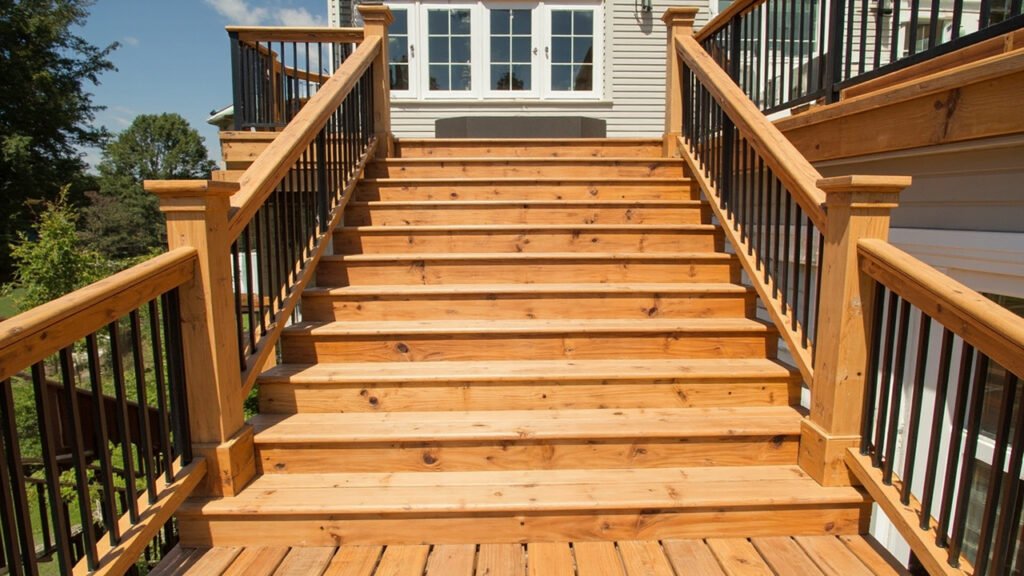
Your deck railing does more than just complete the look of your outdoor space—it is one of the most critical safety features on your property. If you are noticing rust, wobbling, or deterioration on your current deck railings, it may be time to consider a full replacement. For homeowners in Boston, Greater Boston, and MetroWest, understanding the local considerations, material options, and process involved can help you make confident decisions about your deck.
Why Deck Railing Replacement Matters in Boston
Boston’s climate presents unique challenges for outdoor structures. From heavy snow loads in winter to humid summers and driving rain, your deck railings endure significant weather exposure year after year. Over time, this exposure leads to wear that compromises both appearance and structural integrity. A properly installed railing system protects your family and guests while meeting local building code requirements that apply throughout Greater Boston communities.
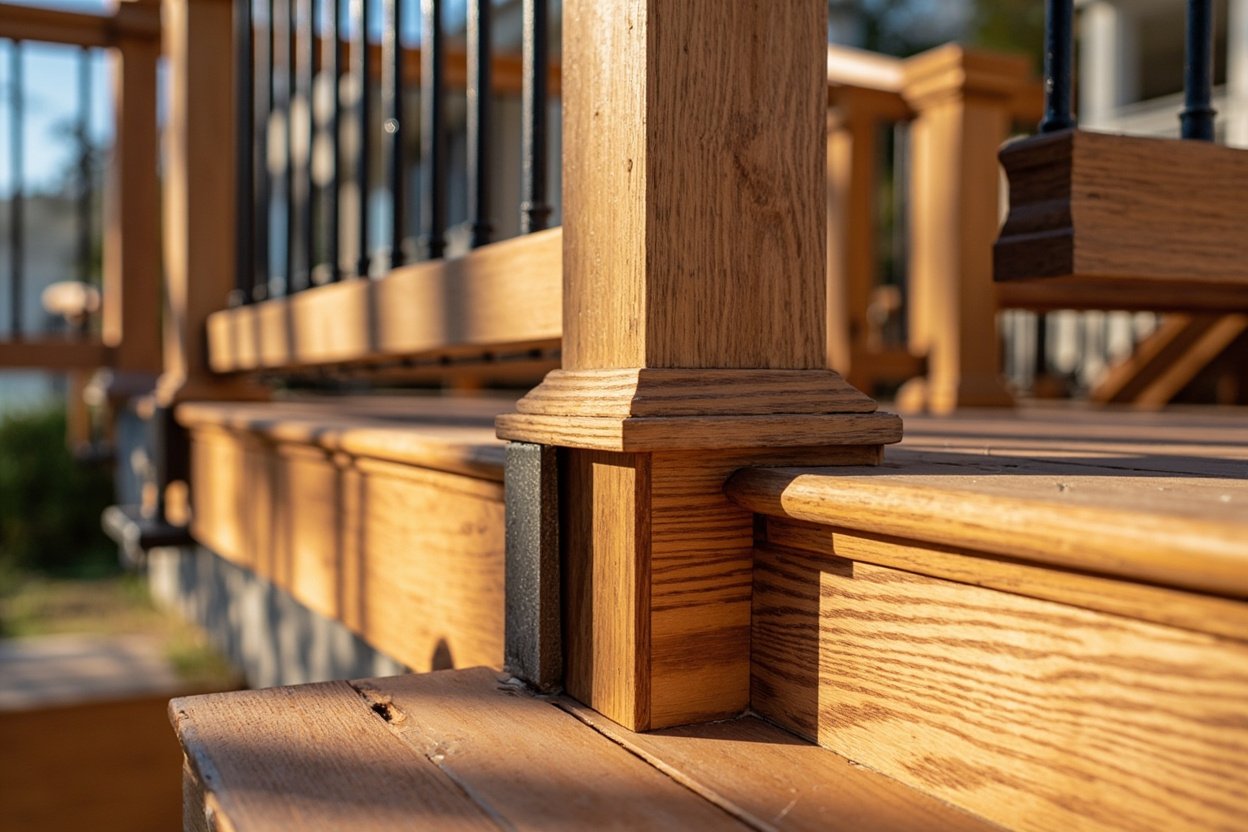
Beyond safety, worn railings detract from your home’s curb appeal. Whether you are planning to enjoy your deck for years to come or considering selling your home, modern railings make a meaningful difference. Composite decking pairs exceptionally well with new railing systems, offering a low-maintenance solution that complements nearly any home style.
Understanding Boston’s Deck Railing Requirements
Building codes in Boston and surrounding communities establish specific requirements for deck railings. These regulations exist to ensure safety, particularly for elevated decks where falls pose serious risks. Understanding these requirements helps you plan appropriately and avoid costly adjustments during installation.
Most residential deck railings must meet the following standards:
- Height requirements: Typically 36 inches for decks less than 30 inches above ground, rising to 42 inches for elevated surfaces
- Spacing and baluster requirements: Openings cannot exceed 4 inches to prevent children from slipping through
- Load requirements: Railings must withstand lateral force without excessive deflection
- Post installation: Posts must be securely fastened to the structural framing to ensure stability
Your specific requirements may vary depending on your municipality and deck configuration. Working with a contractor familiar with local codes throughout Newton, Brookline, Wellesley, and other MetroWest communities ensures your project meets all applicable standards.
Choosing the Right Railing Materials for New England Weather
Material selection significantly impacts how well your new railings perform over time. Boston-area homeowners have several effective options, each with distinct advantages.
Aluminum railings offer excellent durability with minimal maintenance. Powder-coated finishes resist corrosion from road salt and coastal moisture, making them well-suited for properties throughout Burlington, Billerica, and areas closer to the harbor. Aluminum remains cool to the touch in summer and does not rust like traditional steel.
Composite railings provide outstanding weather resistance while delivering a clean, modern aesthetic. High-quality composite materials resist fading, warping, and moisture damage—all important considerations given the freeze-thaw cycles we experience in Massachusetts. Many composite systems integrate seamlessly with composite decking for a unified look.
Vinyl railings represent another low-maintenance choice. They resist insects, moisture, and UV damage while requiring only periodic cleaning. Modern vinyl options have improved significantly in appearance, offering realistic wood textures without the upkeep.
Wood railings remain popular for their classic appearance. Pressure-treated lumber handles outdoor conditions adequately, while cedar and other rot-resistant species offer natural beauty. Wood requires more ongoing maintenance, including staining or sealing every few years, but many homeowners appreciate the traditional look and the ability to refinish as needed.
The Deck Railing Replacement Process: What to Expect
Successful railing replacement involves more than simply removing old components and installing new ones. Proper installation addresses the structural framing beneath the surface, ensuring your new railings connect securely to a solid foundation.
The process typically begins with a thorough assessment of your existing deck structure. We examine the framing, posts, and connections to identify any damage or weakness that needs addressing before new railings are installed. This step proves particularly important for older decks in communities like Lexington, Wayland, and Weston, where structures may be decades old.
Weather exposure takes a toll on structural components over time. Bolts may corrode, posts may weaken at ground contact points, and framing connections may loosen. Addressing these issues during your railing project prevents premature failure and protects your investment.
Once we confirm the structural integrity, we remove the existing railings and prepare the surface for new installation. This might involve replacing deck boards, reinforcing posts, or adjusting connections to meet current code requirements. The new railing system then installs according to manufacturer specifications and local building codes.
For decks featuring stairs, we give equal attention to stair railings and balustrades. Stair safety receives particular focus in building codes because falls on stairs cause numerous injuries annually. Proper handrail placement, height consistency, and baluster spacing all matter here.
Planning Your Deck Railing Project in Greater Boston
Thoughtful planning helps ensure your replacement goes smoothly. Consider the following as you prepare for your project:
- Assess current conditions: Examine your existing railings for signs of failure, including corrosion, looseness, cracked components, or visible wear
- Define your priorities: Determine whether low maintenance, specific aesthetics, or budget constraints drive your material decisions
- Consider long-term costs: While upfront expenses matter, factor in maintenance requirements and expected lifespan when comparing options
- Plan for permits: Depending on your municipality and the scope of work, permit applications may be required before construction begins
Seasonal timing affects both logistics and pricing. Spring and early summer represent the busiest period for deck contractors throughout Boston and MetroWest, with schedules filling quickly once warm weather arrives. Planning ahead and booking early helps secure your preferred timeline.
Ready to discuss your project? Visit our deck and porch services page or call (857) 837-2100 to schedule a free onsite estimate.
Advanced Deck & Porch is a brand owned and operated by Sun Shore Construction. All estimates, contracts, and construction services are provided by Sun Shore Construction.