
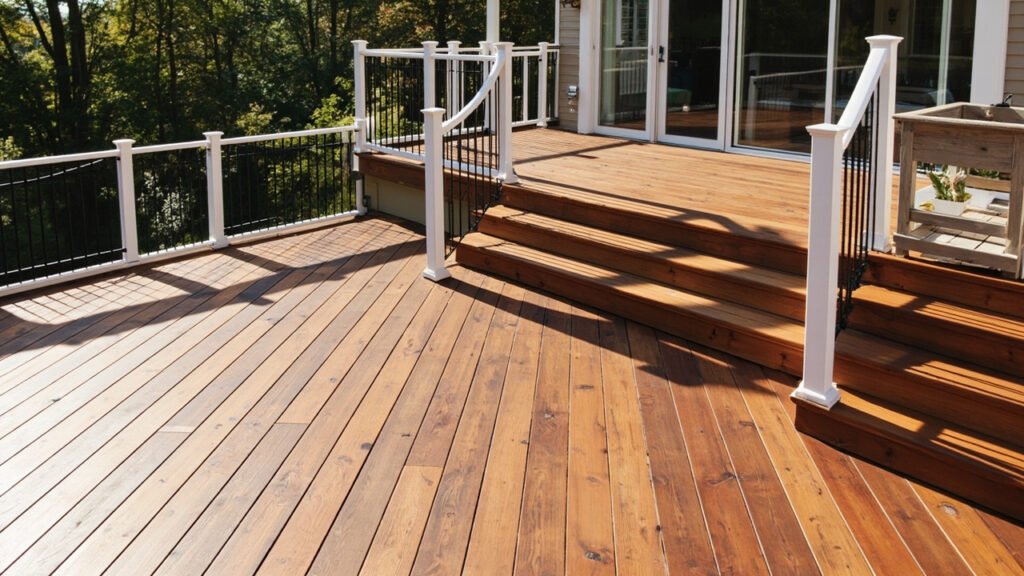
Decks and porches throughout the Greater Boston area face unique challenges. Harsh winters, humid summers, and the natural aging process mean that many homeowners eventually need to consider a full deck rebuild. If your current deck is showing signs of wear, understanding the rebuild process can help you make informed decisions about your home improvement project.
For homeowners comparing materials, Composite decking is one of the most popular low-maintenance options for Greater Boston outdoor projects.
When Is It Time for a Deck Rebuild?
Not every aging deck needs a complete overhaul. However, certain warning signs indicate that repairs may no longer be sufficient. Structural framing damage, widespread rot in multiple support beams, or a deck that has exceeded its expected lifespan often call for a full rebuild rather than patchwork repairs.
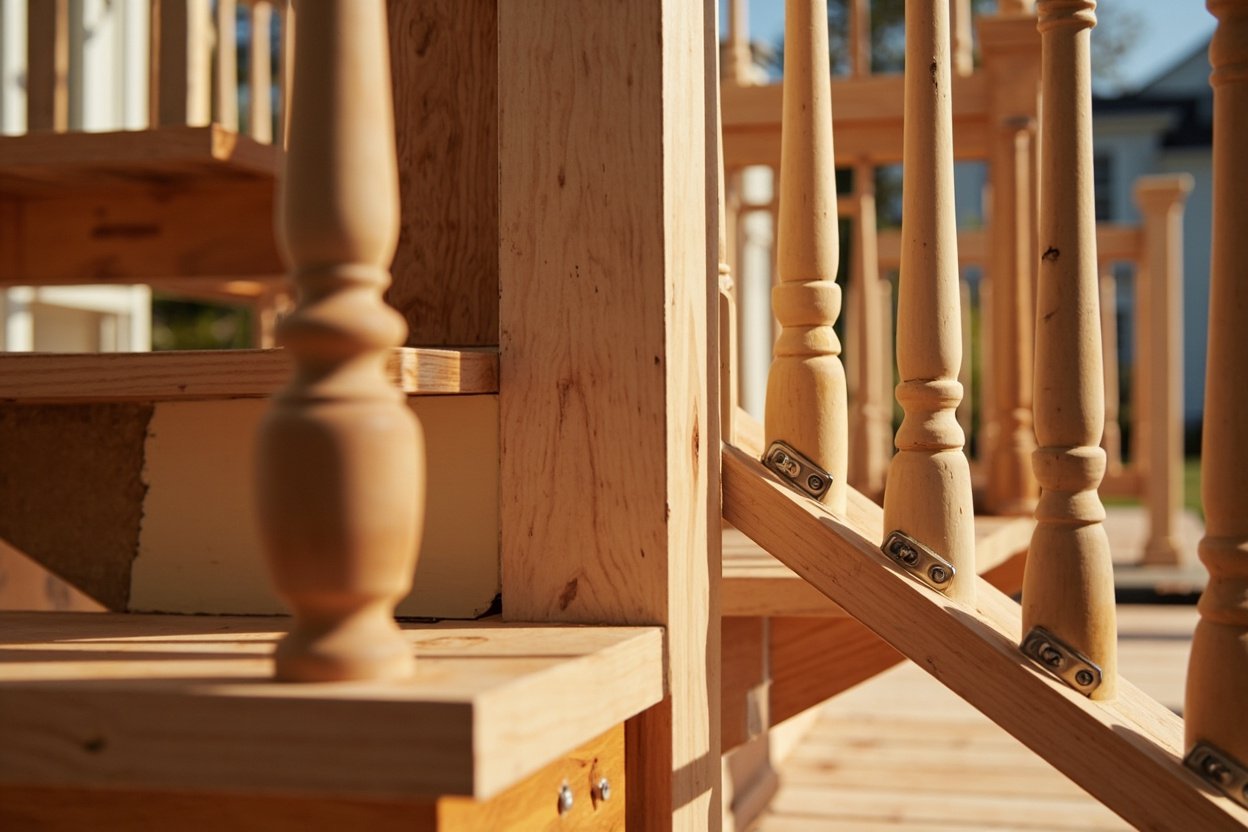
During our free onsite estimates in the Boston metro area, we frequently assess decks where individual boards have been replaced over the years, but the underlying structure remains compromised. If your deck requires frequent maintenance and repairs, a comprehensive rebuild may actually save you money and frustration in the long run.
Homeowners in communities like Newton, Brookline, and Wellesley often inherit older decks with the properties they purchase. These decks, built decades ago, may not meet current building codes or safety standards. A complete rebuild ensures your outdoor space meets modern requirements for railing safety, structural integrity, and material quality.
Boston Weather and Its Impact on Deck Materials
The New England climate presents specific challenges for outdoor structures. Freeze-thaw cycles during winter months can cause significant damage to improperly installed or lower-quality materials. Summer humidity brings its own set of concerns, including moisture retention and mold development.
When planning a deck rebuild in Greater Boston, material selection becomes critical. Composite decking has gained popularity across communities from Weston to Quincy because it resists moisture absorption and requires minimal maintenance compared to traditional wood. While the upfront investment may be higher, many homeowners find the long-term durability worth the cost.
Traditional pressure-treated lumber remains a viable option for structural framing, offering strength and resistance to decay. The key lies in proper installation techniques that account for Boston’s specific climate conditions. Adequate ventilation beneath the deck, proper flashing, and appropriate ground clearance all contribute to a long-lasting structure.
Understanding the Deck Rebuild Process
A professional deck rebuild involves several stages beyond simply replacing old boards. The process typically begins with a thorough assessment of the existing structure, including an examination of how the deck attaches to your home and the condition of footings below ground level.
Permitting requirements vary across Greater Boston communities. Cities like Boston, Quincy, and Braintree have specific building codes that govern deck construction, including requirements for stairs, railing heights, and structural connections. Working with a contractor familiar with local regulations helps ensure your project proceeds without unnecessary delays.
The actual construction phase involves removing the existing deck, addressing any foundation issues, installing new structural framing, and then finishing with your chosen decking material. Throughout this process, proper flashing and waterproofing protect both your deck and your home from moisture damage.
Safety Considerations: Railings and Stairs
Safety features deserve careful attention during any deck rebuild. Railing safety requirements have evolved over the years, and older decks frequently fall short of current standards. Today’s codes typically mandate railings at least 36 inches high for residential decks, with balusters spaced to prevent climbing hazards.
Stairs require similar scrutiny. Proper rise and run dimensions, secure stringer attachment, and appropriate handrails are essential for safe access to your deck. In neighborhoods throughout Wayland, Natick, and Lexington where sloped yards are common, stairs often represent a significant portion of the project scope.
Material choices for railings include aluminum, vinyl, composite, and traditional wood. Each option offers different aesthetics, maintenance requirements, and price points. During your estimate, we can discuss which materials complement your home’s architecture while meeting safety requirements.
Planning Your Deck Rebuild Project
Thoughtful planning helps your deck rebuild proceed smoothly. Consider when you want the project completed and factor in the permit timeline for your specific town. Spring and early summer represent popular times for deck work in the Greater Boston area, so scheduling early helps ensure timely start dates.
Budget planning should account for both immediate construction costs and maintenance planning for the years ahead. While composite materials require less ongoing care, some homeowners prefer the classic appearance of natural wood and accept the maintenance commitment that comes with it.
Access to your backyard matters for construction logistics. In tighter urban settings like portions of Brookline and Boston, material delivery and staging require careful coordination. We work with homeowners to minimize disruption during the building process.
Whether you need a complete deck rebuild or want to explore your options for updating an aging structure, professional guidance makes the process clearer. Understanding your vision, assessing your current situation, and explaining available solutions helps you make confident decisions about your home.
Ready to discuss your project? Visit our deck and porch services page or call (857) 837-2100 to schedule a free onsite estimate.
Advanced Deck & Porch is a brand owned and operated by Sun Shore Construction. All estimates, contracts, and construction services are provided by Sun Shore Construction.