
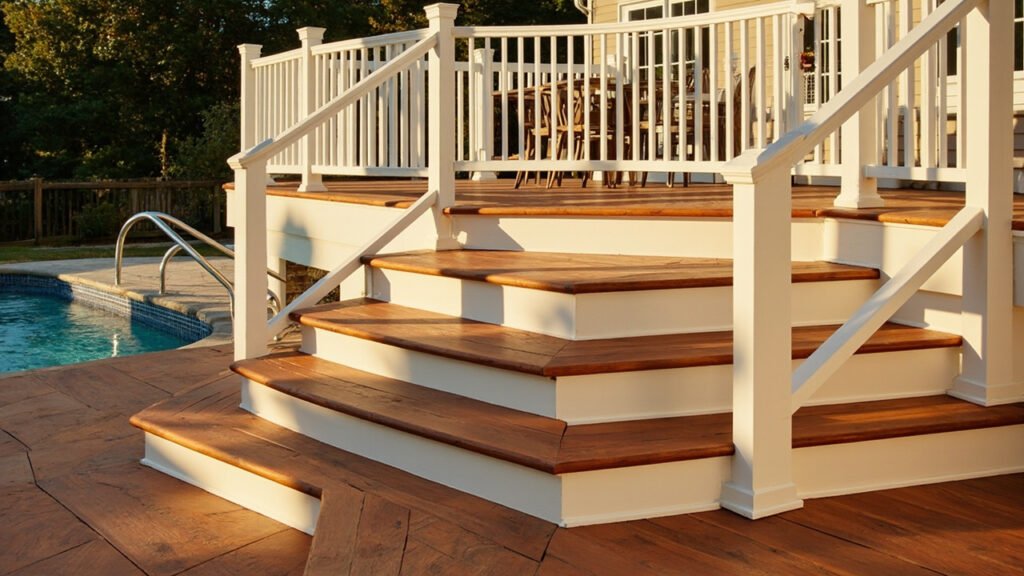
Building or renovating a deck is a significant home improvement project, especially in the Greater Boston area where our New England climate presents unique challenges. From the freeze-and-thaw cycles of winter to humid summers, your deck endures a lot year after year. Whether you are considering new deck construction, a complete deck rebuild, or updating an aging structure, understanding what goes into a quality build helps you make an informed decision when choosing a deck builder in Boston MA.
Understanding Boston Weather and Deck Performance
Boston homeowners face a distinct set of environmental conditions that affect deck longevity. Heavy snowfall in winter, spring rains, and summer humidity all take their toll on outdoor structures. Proper construction techniques account for these factors from the ground up.
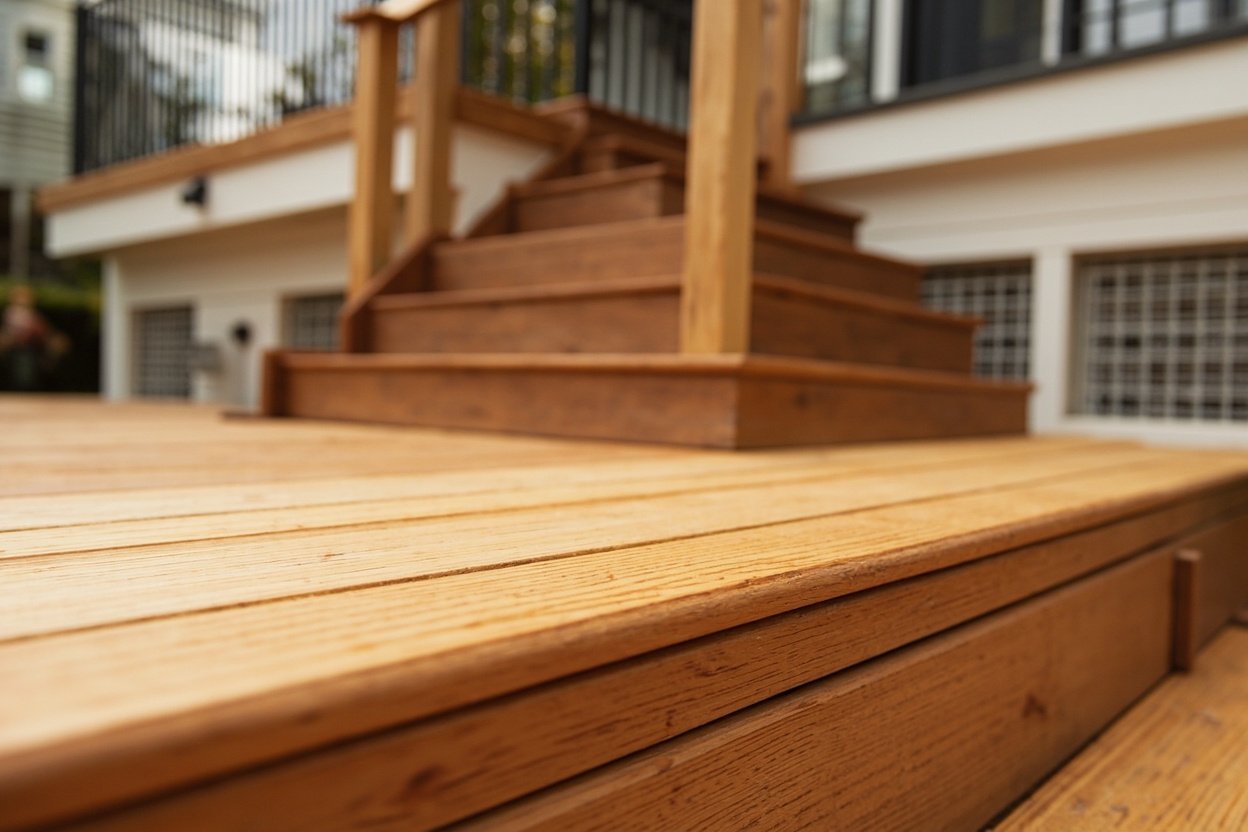
One of the most important yet hidden elements of a deck is its structural framing. The framing must be designed to handle snow loads, resist moisture infiltration, and remain stable over decades of exposure. Pressure-treated lumber rated for ground contact is standard for posts and beams in our climate, and proper flashing prevents water from reaching critical connections where rot often starts.
Ventilation beneath the deck also matters. Leaving adequate clearance between the deck surface and the ground helps moisture escape, reducing the risk of mold and decay. This is especially relevant for homes in Newton, Brookline, and Wellesley where mature trees and landscaping can limit airflow.
Choosing the Right Deck Materials
When planning your deck, the material you choose affects everything from appearance to maintenance requirements. Two primary categories dominate the market: natural wood and composite decking.
Pressure-treated wood remains popular due to its lower upfront cost and classic appearance. Cedar and redwood offer natural beauty but require regular sealing and staining to maintain their looks and resist weathering.
Composite decking has grown increasingly popular among Boston homeowners for several reasons. Made from a blend of wood fibers and recycled plastics, composite boards resist moisture damage, warping, and insect damage far better than traditional wood. They never need staining or sealing, though occasional washing keeps them looking their best. For busy households in communities like Lexington, Needham, or Natick, the reduced maintenance appeals to homeowners who want an attractive outdoor space without constant upkeep.
Both material types work well in our climate when properly installed. Your deck builder should help you weigh the initial investment against long-term maintenance costs and expected lifespan.
Railing Safety and Stairs: Meeting Code Requirements
Safe deck railings and properly constructed stairs protect your family and guests while keeping your project compliant with local codes. In Massachusetts, residential decks must meet specific requirements for railing height, baluster spacing, and stair dimensions.
Standard railing height for residential decks is 36 inches, though many builders recommend going higher for elevated decks or homes with young children. Balusters must be spaced no more than 4 inches apart to prevent children from slipping through. These rules are enforced in communities across Greater Boston, from Quincy and Braintree to Weston and Westwood.
Stairs require careful attention to rise and run measurements. Each step must be consistent in height, and the depth of each tread must allow for secure footing. Handrails are required on at least one side of any stairway with four or more steps. Poorly constructed stairs are one of the most common causes of deck-related injuries, making this an area where professional craftsmanship truly matters.
Planning for Permits and Inspections
Most deck projects in the Boston area require building permits and inspections. Municipalities in Bedford, Burlington, Billerica, and beyond enforce zoning regulations that govern deck placement, height, and proximity to property lines. Even front porch construction projects may need review depending on the scope of work.
A qualified deck builder manages the permit application process and schedules required inspections at each stage of construction. This includes foundation and footings, structural framing, and final completion. Working with a contractor familiar with local requirements helps prevent delays and ensures your project proceeds smoothly.
Maintaining Your Deck Year After Year
Once your deck is complete, regular maintenance extends its life and keeps it looking great. Begin with an annual inspection checking for loose boards, rotting posts, or compromised connections. Address any issues promptly before they worsen.
Clean your deck at least once a year to remove debris, mold, and mildew. For wood decks, applying a fresh water-repellent sealer every two to three years helps prevent moisture damage. Composite decking requires less maintenance but benefits from periodic cleaning to remove pollen, dirt, and organic matter that can cause discoloration over time.
Keep vegetation trimmed back from your deck to maintain good airflow and reduce moisture retention. This is especially important for decks surrounded by landscaping in communities like Canton, Norwood, and Wayland where mature plantings create shady, humid conditions.
Ready to discuss your project? Visit our deck and porch services page or call (857) 837-2100 to schedule a free onsite estimate.
Advanced Deck & Porch is a brand owned and operated by Sun Shore Construction. All estimates, contracts, and construction services are provided by Sun Shore Construction.