
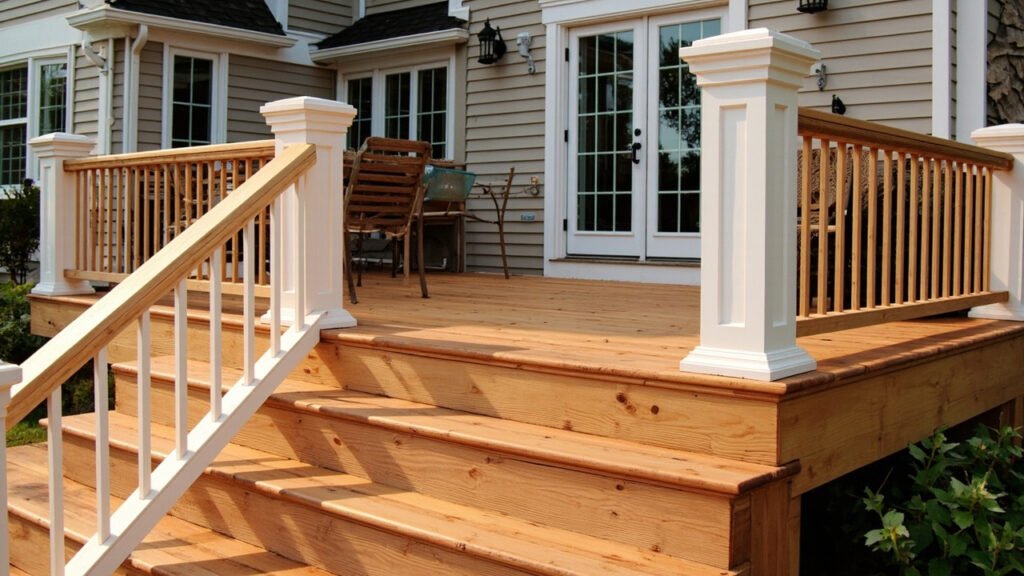
Your deck railing does more than complete the look of your outdoor space. It provides essential safety for your family and guests, and in the Greater Boston area, it must meet specific building codes designed for our unique climate conditions. If your existing railings are showing signs of wear, damage, or simply no longer match your vision for your outdoor living area, understanding the replacement process can help you make confident decisions about your home.
Why Deck Railing Replacement Matters in Boston
Boston winters are harsh. Freeze-thaw cycles, snow accumulation, road salt carried onto decks from driveways, and prolonged moisture exposure take a real toll on deck materials over time. Railing systems often bear the brunt of this weather exposure because they are constantly exposed to the elements and experience more thermal movement than protected structural elements. When structural framing shows signs of deterioration, the railings attached to it often need attention as well.
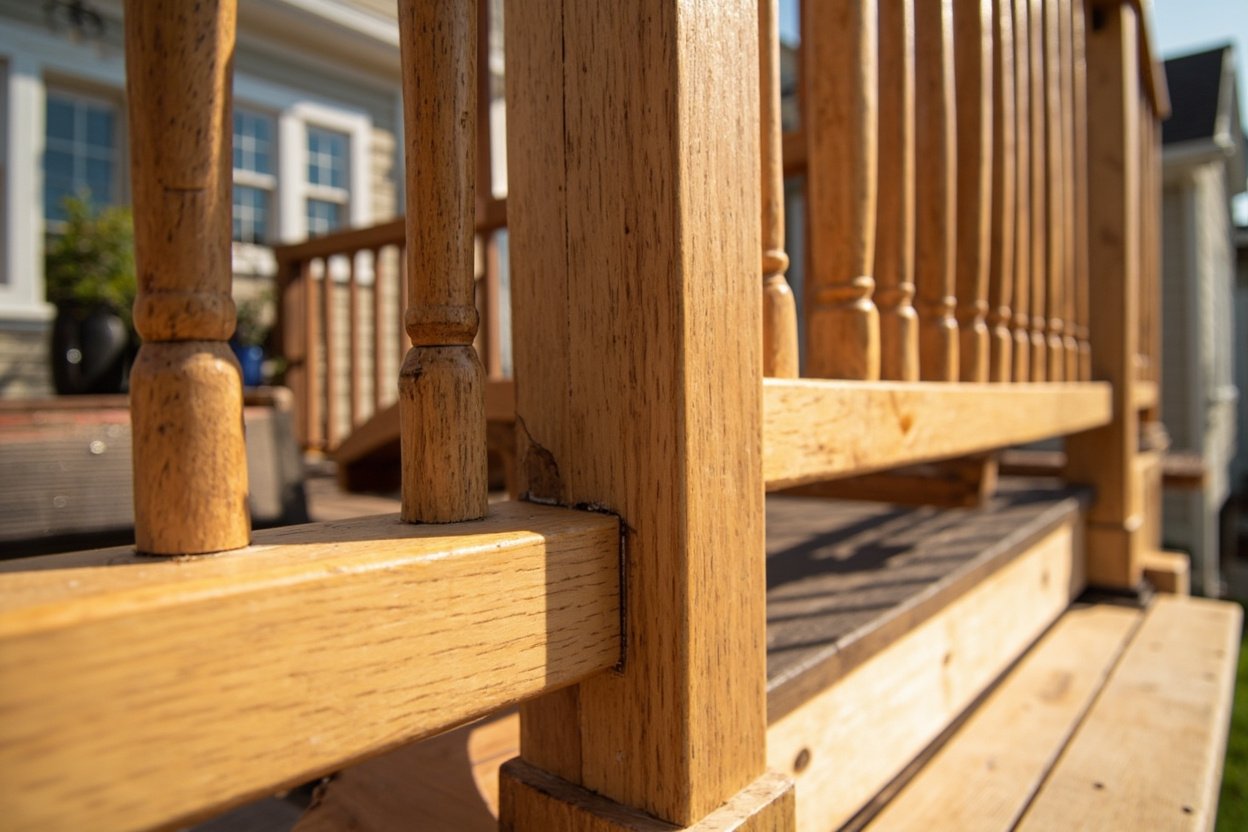
Beyond weather considerations, railing safety is paramount for any elevated deck. The International Residential Code sets baseline requirements, but Boston and many Greater Boston municipalities have adopted additional specifications that account for local conditions. These regulations address post spacing, height requirements, load capacity, and baluster design to ensure railings can withstand both daily use and unexpected stress.
Choosing the Right Materials for Boston Deck Railings
Modern homeowners have several excellent options when selecting materials for deck railing replacement. Composite decking has become increasingly popular throughout Newton, Brookline, Wellesley, and surrounding communities because it resists moisture absorption, won’t rot or splinter, and requires minimal maintenance beyond occasional cleaning. Available in a wide range of colors and styles, composite railings complement nearly any deck design while standing up well to Lexington’s humid summers and Wayland’s snowy winters.
Pressure-treated wood remains a practical choice for budget-conscious projects in communities like Bedford, Burlington, and Braintree. When properly sealed and maintained, wood railings provide classic aesthetics that many homeowners prefer. However, keep in mind that wood requires regular sealing and will eventually need replacement again, particularly on decks exposed to heavy weather.
Aluminum and vinyl railings offer their own advantages. Aluminum provides sleek, modern lines and exceptional durability without rust concerns. Vinyl offers an affordable option that never needs painting and resists fading from sun exposure. Both work well for deck stairs and elevated porches throughout the MetroWest region.
Understanding the Replacement Process
Professional deck railing replacement in the Greater Boston area typically begins with a thorough inspection of the existing structure. This evaluation examines the structural framing supporting the railings, the condition of deck boards near the perimeter, and any signs of moisture damage or insect activity in hidden areas. This step is essential because railing attachment points must be secure and properly flashed to prevent water infiltration.
The replacement process generally involves removing old railings, assessing and repairing any compromised framing, installing new posts according to current code requirements, and finishing with rail caps and any decorative elements. Proper installation requires attention to post spacing—typically no more than 6 to 8 feet apart depending on local codes—to ensure adequate strength. Each post must be securely fastened to the structural framing using appropriate hardware rated for exterior use.
Stairs receive special attention during any railing project. Stair rails must follow specific angle requirements and height measurements that differ from level railings. The bottom of stair railings needs secure anchoring to the stringers or a dedicated landing plate. Given the complexity involved, experienced contractors who understand deck stairs and structural framing requirements deliver better results than general handymen.
Permits and Planning for Boston Area Projects
Most municipalities throughout Boston, Quincy, Milton, and surrounding towns require permits for deck railing replacement, especially for elevated structures. The permit process ensures your project meets current building codes and often requires inspection at key stages. Working with a contractor familiar with local requirements in communities like Weston, Westwood, and Canton can streamline this process considerably.
Before beginning your project, consider how railing replacement fits into your broader maintenance planning. If your deck surface is also aging, replacing railings first means you’ll need to match new materials later, potentially creating unwanted contrast. A comprehensive approach that considers the entire deck structure—deck materials, structural elements, stairs, and railings—often provides better long-term value and visual cohesion.
Working with a Local Contractor
Choosing a contractor who understands Boston-area building requirements makes a meaningful difference in project outcomes. Local contractors know which municipalities require what documentation, how weather affects material choices, and which products perform well in our specific climate zones. Whether you’re in Natick, Weymouth, or Needham, having someone familiar with regional considerations helps avoid costly mistakes and ensures your new railing system will provide years of safe, reliable service.
Ready to discuss your project? Visit our deck and porch services page or call (857) 837-2100 to schedule a free onsite estimate.
Advanced Deck & Porch is a brand owned and operated by Sun Shore Construction. All estimates, contracts, and construction services are provided by Sun Shore Construction.