
When it comes to your home’s outdoor living space, safety and aesthetics go hand in hand. If you’re a Boston area homeowner considering deck railing replacement, you’re likely thinking about more than just looks—you’re thinking about protecting your family and improving your property’s value. New England weather takes a real toll on outdoor structures, and railings often bear the brunt of that exposure. Understanding when replacement makes sense, what options exist, and what the process involves can help you make the best decision for your Boston, Greater Boston, or MetroWest home.
Why Deck Railings Deteriorate in New England
Boston homeowners face unique challenges when it comes to outdoor structures. Our region’s weather patterns—harsh winters, humid summers, and the infamous freeze-thaw cycle—create conditions that test every aspect of your deck. Rain, snow, and ice seep into wood fibers, and when temperatures plunge, that moisture expands, causing wood to crack, split, and weaken over time.
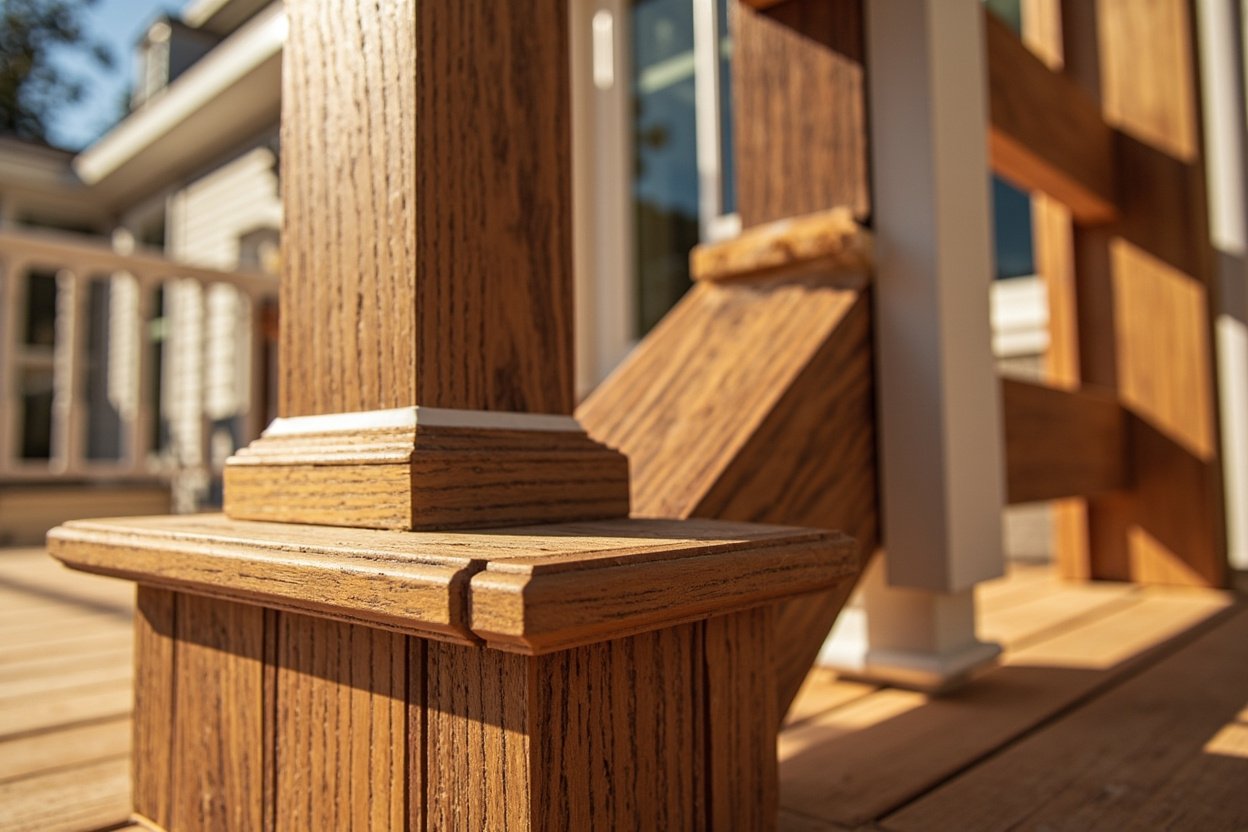
For homes closer to the coast in towns like Quincy, Weymouth, or Milton, salt air adds another layer of concern. Even inland areas like Newton, Wellesley, and Natick experience significant moisture variation throughout the year. These conditions mean that a deck railing that looked solid five years ago may now show signs of wear that compromise both safety and appearance.
Regular maintenance helps extend the life of your railings, but eventually, replacement becomes the smarter investment. If your railings wobble when you touch them, show visible rot, or have rust on metal components, it’s time to explore your options.
Choosing the Right Railing Materials for Boston Homes
Modern homeowners have more choices than ever when selecting deck railing materials. Each option has distinct advantages, and the right choice depends on your budget, aesthetic preferences, and how much maintenance you’re willing to handle.
Pressure-treated wood remains popular for its classic look and reasonable cost. However, wood requires ongoing maintenance—annual sealing, periodic staining, and vigilant inspection for rot. In our climate, even well-maintained wood railings typically need replacement every 15 to 20 years.
Composite decking and railing systems have gained significant traction in the Boston market. Made from a blend of recycled plastics and wood fibers, composite materials resist moisture, insects, and UV damage without requiring annual sealing. For busy homeowners in Lexington, Needham, or Westwood who want the look of wood without the upkeep, composite offers compelling advantages.
Aluminum and vinyl railings provide low-maintenance alternatives that withstand New England weather particularly well. Aluminum won’t rust, and modern vinyl formulations resist cracking and fading even after years of exposure. These materials work especially well for homeowners seeking a clean, contemporary aesthetic.
Understanding Structural Framing and Installation Requirements
A beautiful railing does no good if it’s not properly attached to a sound structure. Before installing new railings, reputable contractors inspect the existing deck framing to ensure it can support the new system securely. This means checking posts, joists, and connections for signs of rot or deterioration.
In older homes throughout Boston’s historic neighborhoods and established suburbs, existing deck structures may have been built to older codes or with materials that don’t meet current standards. A thorough assessment before railing replacement often reveals whether you need deck repairs or even a partial rebuild to ensure safety and code compliance.
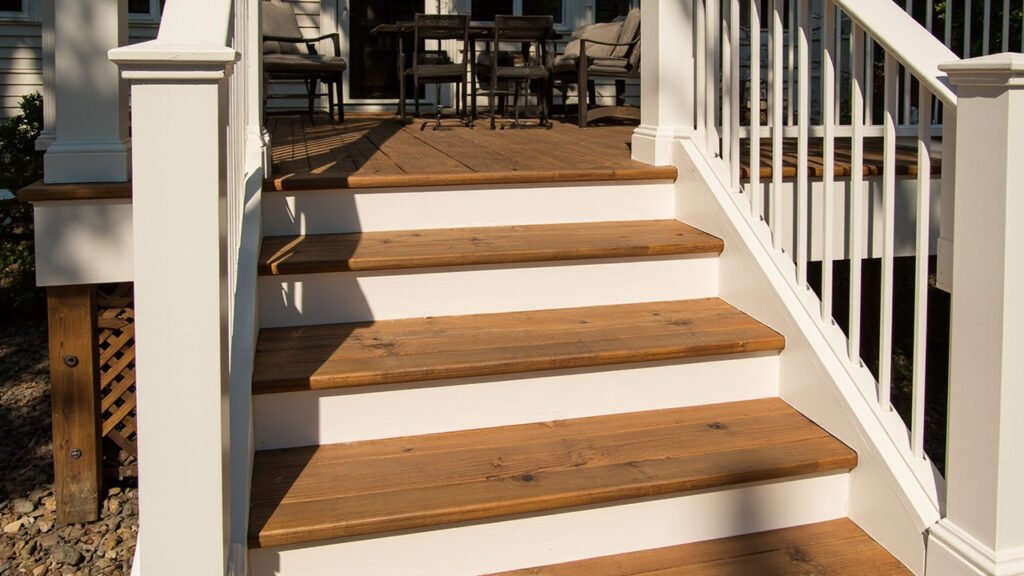
Stairs deserve special attention during any railing project. Deck stairs in our climate face extra stress from foot traffic, weather exposure, and the challenges of proper drainage. Installing secure handrails on stairs is not just a design choice—it’s a critical safety feature for families with children, elderly members, or anyone who uses the deck regularly.
Navigating Permits and Regulations in Greater Boston
Building codes exist to protect homeowners and their guests, and Massachusetts takes deck construction seriously. Most municipalities in the Greater Boston area require permits for deck railing replacement, particularly if you’re changing the height, layout, or structural components of your existing system.
Requirements vary by town. Cities like Boston, Quincy, and Newton have specific codes governing deck construction, while smaller communities like Weston, Wellesley, and Bedford may have their own permitting processes. Professional contractors familiar with the region understand these local requirements and can handle the paperwork for you.
Railing height is one of the most commonly enforced code requirements. Current standards typically mandate railings at least 36 inches high for residential decks, with 42 inches required in many jurisdictions. Baluster spacing is equally regulated—gaps must be narrow enough to prevent a small child from slipping through. These aren’t arbitrary rules; they’re designed to keep your family safe.
Planning Your Railing Replacement Project
Successful deck projects start with realistic planning. Consider when you want the work completed. Spring and early summer are popular times for outdoor projects in Massachusetts, but experienced contractors can work throughout the warmer months. Some homeowners prefer fall installation, taking advantage of milder weather before winter arrives.
Think about how the new railing will complement your home’s architecture and your landscaping. A Victorian in Brookline might call for different styling than a contemporary home in Canton. The right contractor helps you balance aesthetic goals with practical considerations like maintenance, durability, and budget.
Weather exposure should factor into your material selection. If your deck receives direct sun all afternoon, UV-resistant materials hold up better. Shaded decks benefit from materials that resist moisture accumulation and inhibit mold growth. Your contractor can recommend options suited to your specific site conditions.
Whether you’re dealing with aging wood railings that have seen too many Boston winters or ready to upgrade to a more modern, low-maintenance system, Advanced Deck & Porch has the experience to help. We work with homeowners throughout Boston, Newton, Brookline, Wellesley, and all surrounding communities in Greater Boston and MetroWest.
Ready to discuss your project? Visit our deck and porch services page or call (857) 837-2100 to schedule a free onsite estimate.
Advanced Deck & Porch is a brand owned and operated by Sun Shore Construction. All estimates, contracts, and construction services are provided by Sun Shore Construction.