
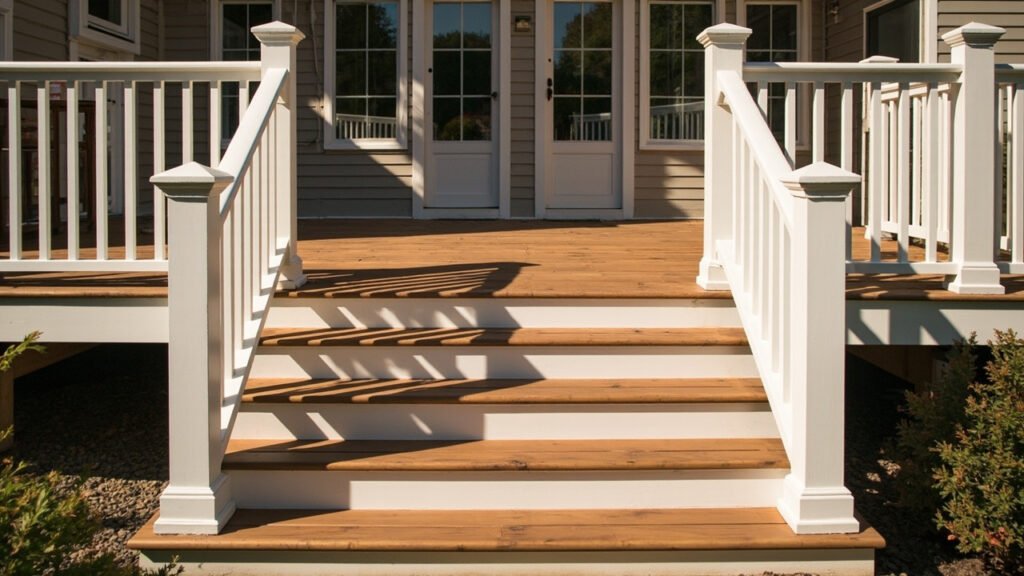
Building or renovating a deck is a significant investment for any homeowner in the Greater Boston area. Whether you are in Newton, Brookline, Wellesley, or one of the many communities we serve, understanding the key factors that go into a successful deck project helps you make informed decisions. This guide walks you through what to consider when planning your deck, from material selection to local requirements.
Why Boston Weather Matters for Your Deck
Boston experiences harsh winters with freezing temperatures, significant snowfall, and ice accumulation. These conditions place real stress on outdoor structures. During summer months, humidity levels can be high, and summer storms bring sudden downpours. This seasonal cycle of freeze-thaw-weathering affects everything from the concrete footings to the surface boards.
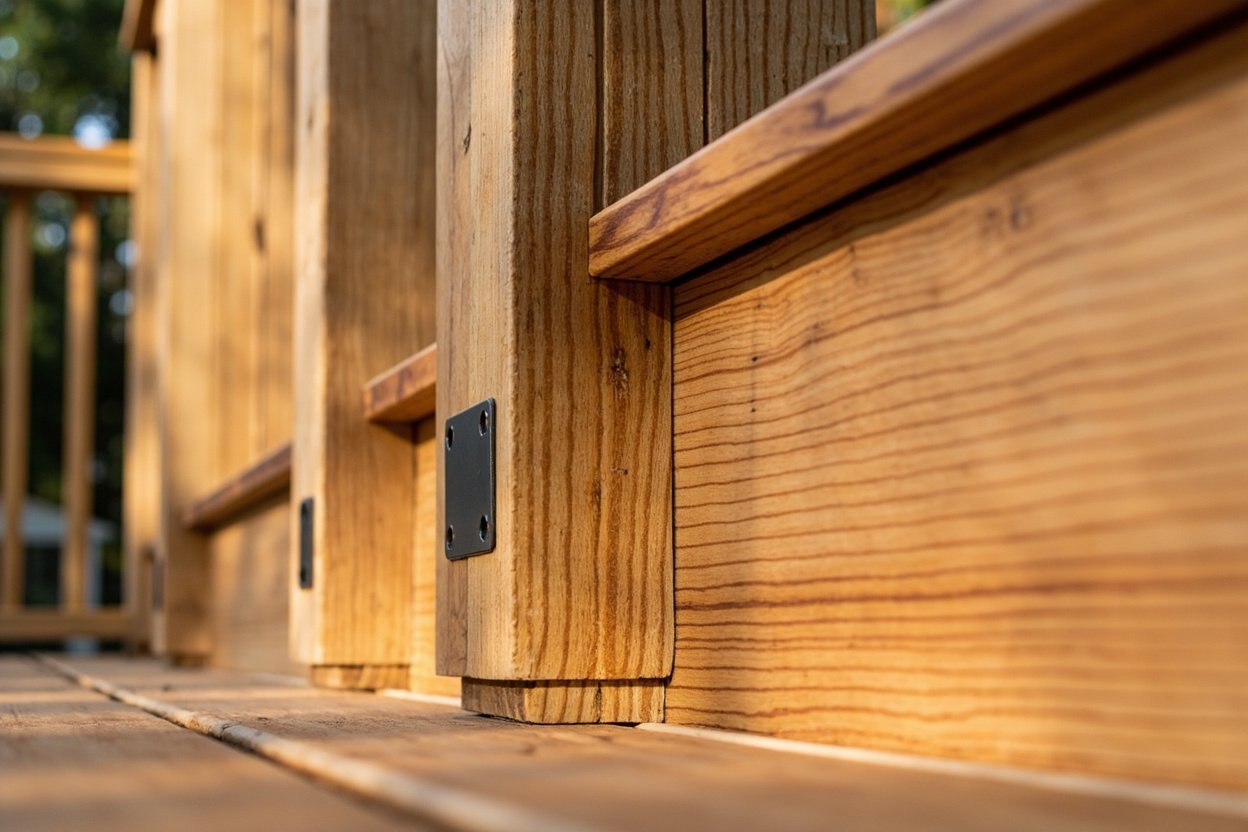
When planning your deck, think about how your chosen materials will handle these conditions year after year. Proper structural framing with pressure-treated lumber rated for ground contact provides a solid foundation that resists moisture damage. The angle of your deck boards matters too, allowing water to drain away rather than pooling on the surface. Even the direction your deck faces can affect how quickly it dries after rain, which impacts both longevity and maintenance needs.
Planning Your Deck Project
Before construction begins, take time to think through how you actually intend to use your deck. Do you envision hosting summer gatherings, enjoying quiet mornings with coffee, or creating a safe play space for children? Your answers shape decisions about size, layout, and features.
Consider these practical questions during planning:
- What furniture and activity space do you need
- Will you need access to stairs from multiple directions
- Do you want built-in features like benches or planters
- How does the deck connect to your home entrance
- What sightlines matter for privacy and views
Thinking through these details helps your deck builder create a design that truly works for your lifestyle rather than a generic layout that might not fit.
Choosing Deck Materials for New England
Material selection significantly impacts both the appearance and long-term maintenance of your deck. Traditional pressure-treated lumber remains popular for structural components due to its durability and cost-effectiveness. For surface decking, homeowners have several options worth considering.
Composite decking has become increasingly common throughout Boston-area neighborhoods. These materials resist moisture absorption, which helps them hold up well through our freeze-thaw cycles. Unlike pure wood, composite boards resist splintering and do not require annual sealing or staining. Many composite options now come in varied colors and textures that mimic natural wood grain while reducing maintenance demands.
Hardwood options like ipe provide exceptional durability but come with higher upfront costs and may require specialized installation techniques. Whatever material you choose, ensure it carries appropriate warranties and is suitable for exterior use in northern climates.
Structural Framing and Long-Term Stability
The hidden structural framework determines whether your deck stays level and secure for decades or develops problems within a few years. Proper deck construction starts with correctly sized beams and joists spaced according to the deck surface material and expected load.
In our New England climate, using galvanized or stainless steel connectors prevents corrosion that could weaken connections over time. Footings must extend below the frost line to prevent heaving during winter freezes. This requirement varies by specific location within Greater Boston, so working with a contractor familiar with local soil conditions and frost depths matters considerably.
Attention to flashing where the deck attaches to your home prevents water from seeping behind siding or into the house structure. This detail often gets overlooked by less experienced builders but represents a critical element of proper construction.
Railings, Stairs, and Safety Considerations
Railing safety is not optional. Building codes establish specific requirements for railing height, baluster spacing, and structural capacity. These requirements exist to protect your family and guests, particularly children who may attempt to climb or lean on railings.
Beyond meeting minimum code requirements, thoughtful railing design considers both safety and aesthetics. Glass panel railings provide unobstructed views while maintaining safety. Cable railings offer a modern look with excellent visibility. Traditional wood or vinyl railings remain popular for their classic appearance and straightforward maintenance.
Stair design deserves equal attention. Steps should have consistent rise heights throughout the run. Tread depth must provide comfortable footing. Handrails on at least one side offer support for family members of all ages. Proper lighting along stairs improves safety during evening use, particularly important during Boston’s darker winter months.
Navigating Local Permits and Requirements
Most municipalities throughout Greater Boston require permits for deck construction. Requirements vary by town, with some communities having specific regulations for decks above certain heights or those located near property lines. Boston proper, Newton, Brookline, and Quincy each have their own permit processes and inspection requirements.
A reputable deck builder familiar with local jurisdictions handles permit applications and schedules required inspections. This experience streamlines the process and helps avoid delays or costly corrections. Ask your contractor about their experience with permits in your specific town before beginning work.
Maintenance Planning for Your Boston Deck
All decks require some ongoing care to maintain their appearance and structural integrity. Wood decks typically need cleaning and resealing every year or two. Composite decks generally require only periodic washing to remove accumulated dirt and debris.
Regardless of material, inspect your deck annually for signs of loose boards, deteriorating connectors, or water damage. Addressing small problems promptly prevents them from becoming larger issues. Clearing snow from deck surfaces during winter helps prevent moisture-related damage, though most modern materials handle brief snow exposure without problems.
Ready to discuss your project? Visit our deck and porch services page or call (857) 837-2100 to schedule a free onsite estimate.
Advanced Deck & Porch is a brand owned and operated by Sun Shore Construction. All estimates, contracts, and construction services are provided by Sun Shore Construction.