

Decks in the Boston area face some of the harshest weather conditions in New England. From humid summers to freezing winters with heavy snow loads, your deck endures significant stress year after year. If you have noticed signs of deterioration, it may be time to consider a deck rebuild. Advanced Deck & Porch has been serving homeowners throughout Boston, Greater Boston, and MetroWest for years, helping families restore safe and beautiful outdoor living spaces.
Signs Your Deck Needs a Rebuild
Not every aging deck requires a complete rebuild, but certain warning signs indicate that repair work is no longer sufficient. Wooden support posts, joists, or beams that show rot, softness, or crumbling suggest structural compromise that cannot be fixed with surface repairs. Similarly, if your deck boards are extensively warped, cracked, or splintering, patching individual sections will only lead to ongoing maintenance headaches.
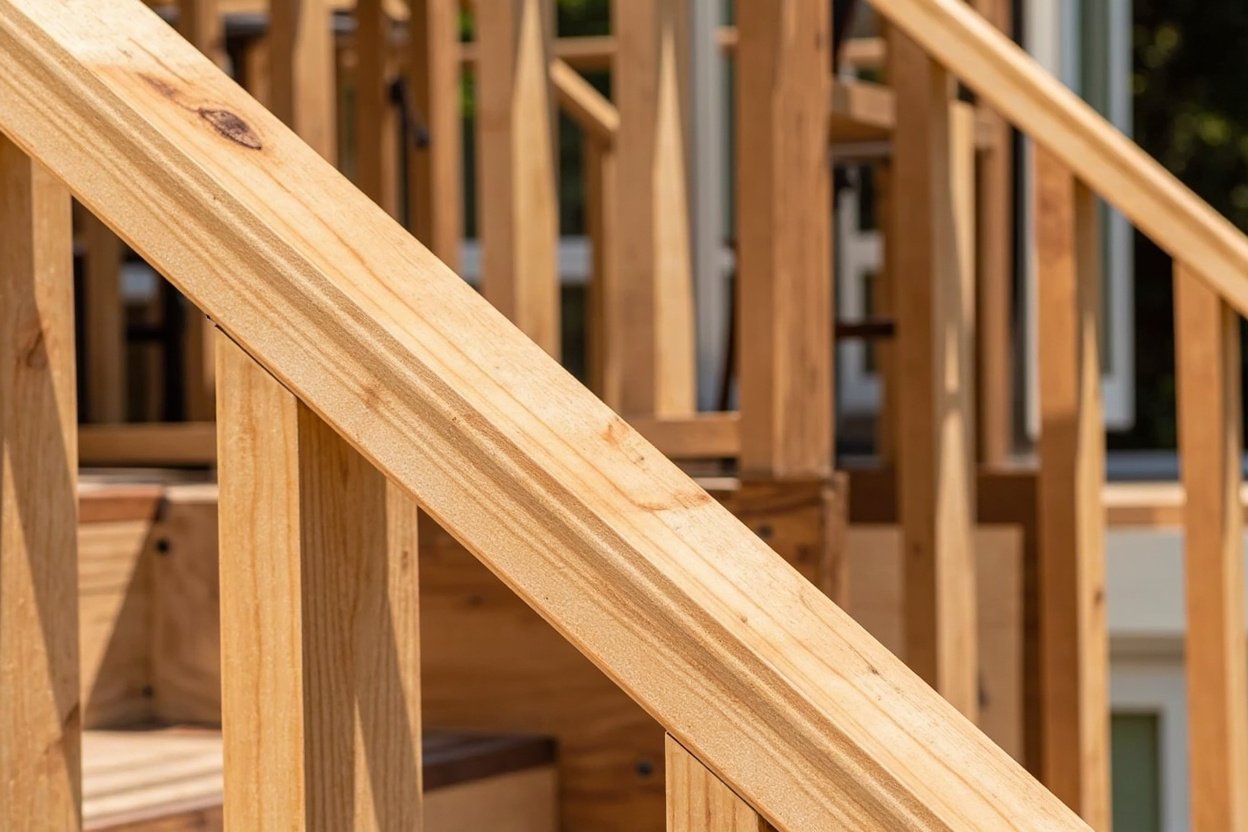
Bostons coastal humidity accelerates wood deterioration, particularly in neighborhoods like Quincy, Weymouth, and Milton where salt air adds extra strain. If your deck wobbles when you walk on it or if railings feel loose, the underlying framing may be weakened. A professional inspection can determine whether targeted repairs make sense or if a full rebuild offers better long-term value.
Choosing the Right Deck Materials for Boston Weather
Material selection dramatically impacts how well your rebuilt deck will withstand New England conditions. Traditional pressure-treated lumber remains popular due to its affordability and availability, but it requires regular maintenance including sealing and staining every few years to prevent moisture damage.
Composite decking has become an increasingly popular choice among Boston homeowners because it resists fading, staining, and moisture absorption without requiring annual upkeep. While the upfront investment is higher, many find that the reduced maintenance needs and extended lifespan justify the cost over time. Advanced Deck & Porch works with leading composite manufacturers to offer options that complement various architectural styles found throughout Newton, Wellesley, and Brookline.
Hardwood options like ipe provide exceptional durability and a natural aesthetic, though they come with premium pricing and may require professional installation due to their density. Whatever material you choose, proper installation techniques matter just as much as the product itself.
Structural Framing, Railing Safety, and Stairs
A beautiful deck surface means nothing if the underlying structure cannot support safe use. Proper structural framing begins with correctly sized posts set on concrete footings that extend below the frost line. In the Boston area, frost depths can reach 40 inches or more depending on your specific location in towns like Bedford, Billerica, or Wayland. Footings that do not extend below this line can heave during freeze-thaw cycles, causing the entire deck to shift and potentially collapse.
Railing safety receives particular attention during any rebuild project. Current building codes require railings at least 36 inches tall for residential decks, with balusters spaced no more than 4 inches apart to prevent children from slipping through. Boston and its surrounding communities strictly enforce these codes during permit inspections, so working with experienced contractors who understand local requirements prevents costly revisions and delays.
Deck stairs deserve equal consideration. Step dimensions must meet specific standards for tread depth and riser height to prevent trips and falls. Handrails on stairs are mandatory, and landings at the top and bottom must be properly sized and supported.
The Deck Rebuild Process and Local Permits
Most municipalities throughout Greater Boston require building permits for deck construction and reconstruction. Cities like Newton, Lexington, and Natick have specific requirements that may include setback distances from property lines, height restrictions, and proximity to septic systems or easements. Advanced Deck & Porch handles the permit application process on behalf of homeowners, ensuring all documentation meets local building department standards.
The rebuild process typically begins with a thorough assessment of your existing structure. We evaluate the condition of current footings, framing, and connections to determine what can be salvaged and what requires replacement. In many cases, reusing existing footings can reduce costs and disruption, provided they meet current code requirements.
Construction generally proceeds in stages. First, the old deck surface and any damaged framing get removed. Next, any necessary repairs to footings or ledger connections occur. New framing goes up, followed by the deck surface, railings, and stairs. Final inspections by local building officials verify compliance before the project is complete.
Weather exposure planning matters for timing. Spring and early summer offer comfortable working conditions, but scheduling during these months means competing with other homeowners for contractor availability. Fall rebuilds often proceed more quickly and allow you to enjoy your new deck the following spring. We work with each homeowner to find scheduling options that fit their timeline and preferences.
Planning Your Deck Rebuild
Before starting your project, take time to consider how you use your outdoor space and what improvements would enhance your enjoyment. Do you need wider stairs for easier access? Would integrated seating reduce furniture needs? Are you planning to add features like lighting or built-in planters? Making these decisions early helps avoid change orders during construction.
Budget planning should account for both immediate construction costs and long-term maintenance considerations. While composite decking costs more initially, you may save money over a decade or more through reduced upkeep. Some homeowners in towns like Weston, Wellesley, and Canton opt for mixed-material approaches, using composite for high-traffic surfaces and pressure-treated lumber for less visible structural elements.
Consider how your deck connects to your home and yard. Proper flashing where the deck meets your house prevents water damage to your home’s siding and framing. Drainage considerations become especially important in Newton and Brookline neighborhoods where mature trees and established landscaping create challenging site conditions.
Advanced Deck & Porch serves homeowners throughout Boston, Greater Boston, and MetroWest including Quincy, Braintree, Milton, Canton, Norwood, Acton, and surrounding communities. Our team brings decades of combined experience to every project, from initial consultation through final inspection.
Ready to discuss your project? Visit our deck and porch services page or call (857) 837-2100 to schedule a free onsite estimate.
Advanced Deck & Porch is a brand owned and operated by Sun Shore Construction. All estimates, contracts, and construction services are provided by Sun Shore Construction.