
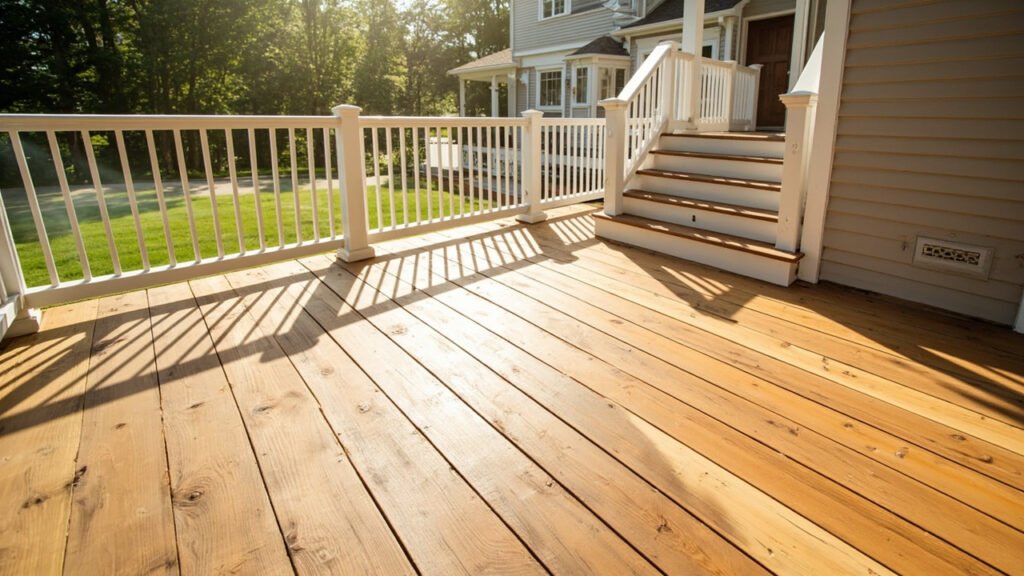
If you’re researching deck builder Newton MA, this guide covers key considerations for Greater Boston homeowners planning a deck or porch project.
{“title”:”What to Expect When Hiring a Deck Builder in Newton MA and Greater Boston”,”html”:”
Building a deck is one of the most rewarding home improvement projects you can undertake in the Greater Boston area. A well-designed deck extends your living space outdoors, adds value to your home, and provides a perfect spot for everything from morning coffee to summer barbecues with family and friends. If you’re searching for a deck builder in Newton MA or any of the surrounding communities, understanding what the process involves helps ensure a smooth experience from start to finish.
Why Local Experience Matters for Your Deck Project
New England weather presents unique challenges that don’t exist in milder climates. Your deck must withstand everything from humid summers to snowy winters, with freeze-thaw cycles that can take a toll on materials and structural components over time. A deck builder familiar with Newton MA and the Greater Boston area understands these regional considerations and builds accordingly.
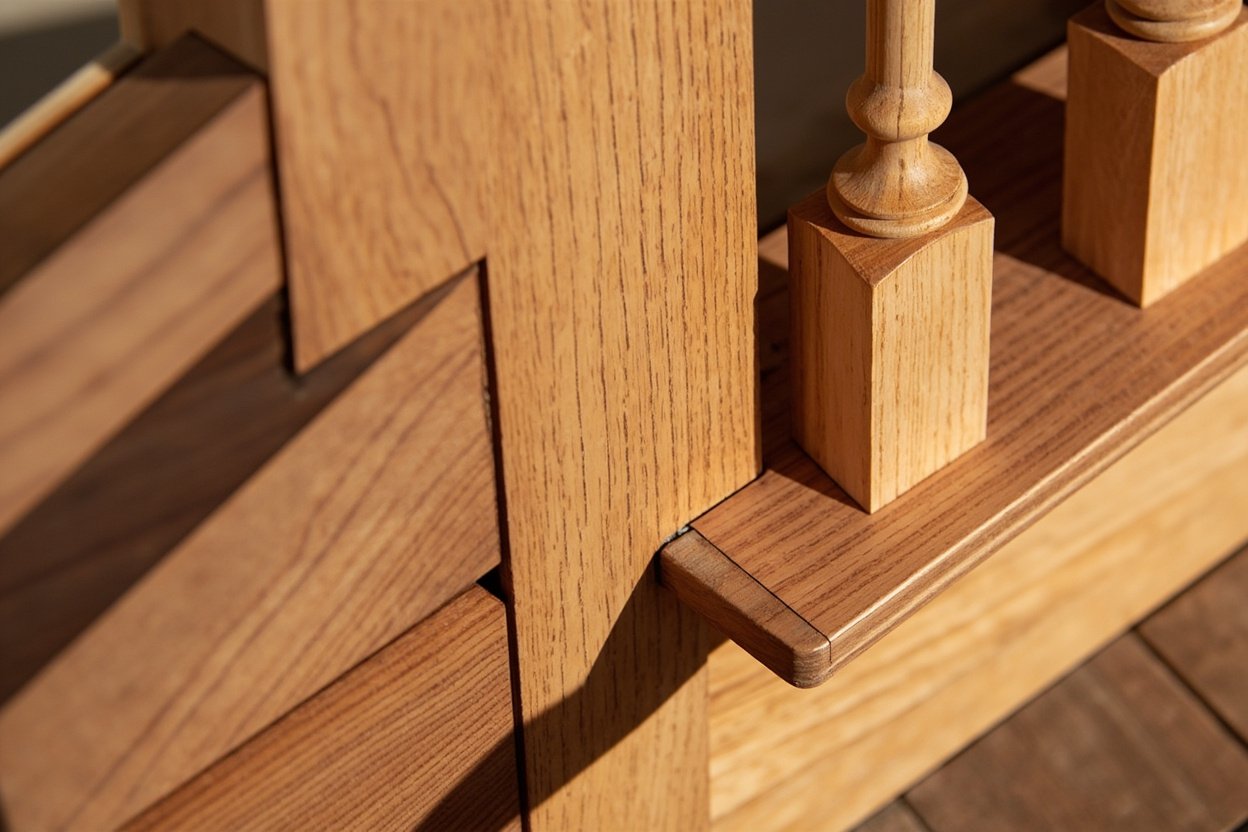
Beyond weather, each town in our service area has its own permitting requirements and building codes. Newton, Brookline, Wellesley, and other communities may have specific regulations regarding deck height, setback requirements, and structural specifications. Working with a contractor who regularly builds in these areas means they’re already familiar with local requirements, which helps keep your project moving forward without unnecessary delays.
Choosing the Right Deck Materials for New England
Material selection plays a significant role in how your deck performs over time. Traditional pressure-treated wood remains a popular choice due to its affordability and availability. When properly maintained, a wood deck can provide years of enjoyment. However, wood requires regular cleaning, staining, and sealing to combat moisture damage and UV exposure.
Composite decking has become increasingly popular among homeowners who want durability with minimal upkeep. Made from a blend of recycled wood fibers and plastic, composite decking resists fading, staining, and moisture damage without requiring annual sealing. While the upfront cost is higher than wood, many homeowners find the reduced maintenance requirements make it a worthwhile investment over the life of the deck.
Other options like cedar and redwood offer natural beauty but require similar maintenance to pressure-treated wood in our climate. Your deck builder can help you weigh the pros and cons of each material based on your budget, aesthetic preferences, and how much maintenance you’re willing to perform.
Structural Framing: The Foundation of a Safe Deck
The quality of your deck’s structural framing determines how safe and stable it remains for decades. Proper framing starts with appropriately sized support posts and beams, typically made from pressure-treated lumber rated for ground contact. The connection points between posts, beams, and joists require sturdy hardware designed to resist corrosion from New England’s moisture and de-icing salts.
Ledger boards, which attach the deck to your home, must be installed with flashing to prevent water from seeping into your house’s structure. This is one of the most critical details in deck construction, as failure here can lead to serious structural damage and expensive repairs. Professional deck builders inspect the condition of your home’s rim joist and ensure proper fastening before attaching the ledger board.
Joist spacing depends on your chosen decking material and span requirements. Composite decking, for instance, often requires closer joist spacing than wood to prevent sagging between boards. Your contractor should follow manufacturer specifications and local building codes when determining joist layout.
Railings and Stairs: Safety Comes First
Railings serve both safety and aesthetic purposes. In Massachusetts, residential decks typically require railings when the deck surface is more than 30 inches above grade. The code specifies minimum railing height and maximum spacing between balusters to prevent small children from slipping through.
Material options for railings include wood, composite, aluminum, and glass. Wood and composite railings match the deck surface, while aluminum offers a sleek, modern look with minimal maintenance. Glass railings provide unobstructed views but require more cleaning to maintain their appearance.
Stairs deserve careful attention as well. Each step must be consistent in height, typically between 7 and 7.75 inches per the building code. Tread depth should allow comfortable footing, and handrails are required on at least one side of any stairs with four or more risers. Proper lighting along stairs improves safety during evening hours, a consideration particularly valued in our northern climate where darkness arrives early during fall and winter months.
Planning for the Long Term
A quality deck built with proper materials and techniques requires ongoing care to maximize its lifespan. Establishing a maintenance routine helps catch small issues before they become major problems. For wood decks, this means annual cleaning and resealing every few years, depending on weather exposure. Composite decking requires periodic washing to remove dirt and debris, but no staining or sealing.
Regular inspections of railings, fasteners, and structural components catch loose connections or signs of wear early. New England’s freeze-thaw cycles can loosen fasteners over time, so checking and tightening hardware each spring is a smart practice. If you notice any sagging, soft spots, or visible damage, addressing these promptly helps prevent more extensive repairs later.
Key Considerations Before You Begin
Taking time to plan your deck project carefully pays off in the long run. Before breaking ground, consider these important factors that experienced deck builders discuss with homeowners in the Greater Boston area:
- How you plan to use the space. Think about whether you want room for outdoor furniture, a grilling area, or space for children to play. Your intended use affects size, layout, and design choices.
- The view and sunlight. Consider how sun and shade move across your yard throughout the day. A west-facing deck offers beautiful sunset views but can get hot in afternoon sun during summer months.
- Access and flow. Think about how people will move between your home, yard, and the deck. Multiple entry points work well for larger decks, while a single entrance may suffice for smaller spaces.
- Privacy and screening. If your property is close to neighbors, consider how you’ll create a comfortable, private atmosphere on your new deck.
Discussing these details with your deck builder early in the process helps ensure the final design matches your lifestyle and expectations.
Ready to Start Your Project
Building a deck involves numerous decisions, from material selection to structural details. Working with an experienced deck builder in the Newton MA area gives you access to local knowledge, quality craftsmanship, and guidance throughout the process. Whether you’re constructing a brand new deck, rebuilding an existing structure, or making repairs to extend your deck’s life, professional installation ensures the work meets current building codes and performs well in our challenging New England climate.
Ready to discuss your project? Visit our deck and porch services page or call (857) 837-2100 to schedule a free onsite estimate.
Advanced Deck & Porch is a brand owned and operated by Sun Shore Construction. All estimates, contracts, and construction services are provided by Sun Shore Construction.
“}