
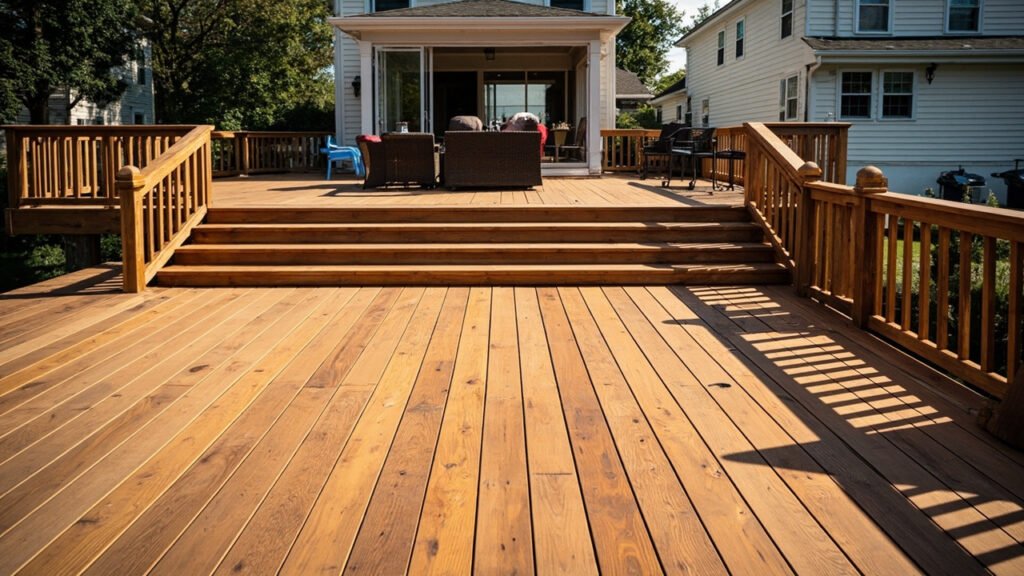
If you own a home in the Boston area, you know how demanding our New England weather can be on outdoor structures. From heavy snowfalls in winter to humid summers, your deck endures a lot year after year. Eventually, every wood deck reaches a point where repairs are no longer enough, and a full deck replacement becomes the smarter investment. If you have been searching for deck replacement Boston professionals, this guide will walk you through what the process involves and what you should consider before breaking ground.
Signs It Is Time to Consider Deck Replacement
Not every aging deck needs to be torn down and rebuilt from scratch. However, there are clear signals that replacement makes more sense than pouring money into repairs. Look for these warning signs: widespread rot in multiple boards or joists, sagging or unstable areas that flex under weight, loose or wobbly railings that no longer meet safety standards, and visible structural damage to the ledger board where the deck attaches to your home. If your deck is more than fifteen to twenty years old and showing multiple issues, a complete deck rebuild often provides better long-term value than piecemeal repairs.
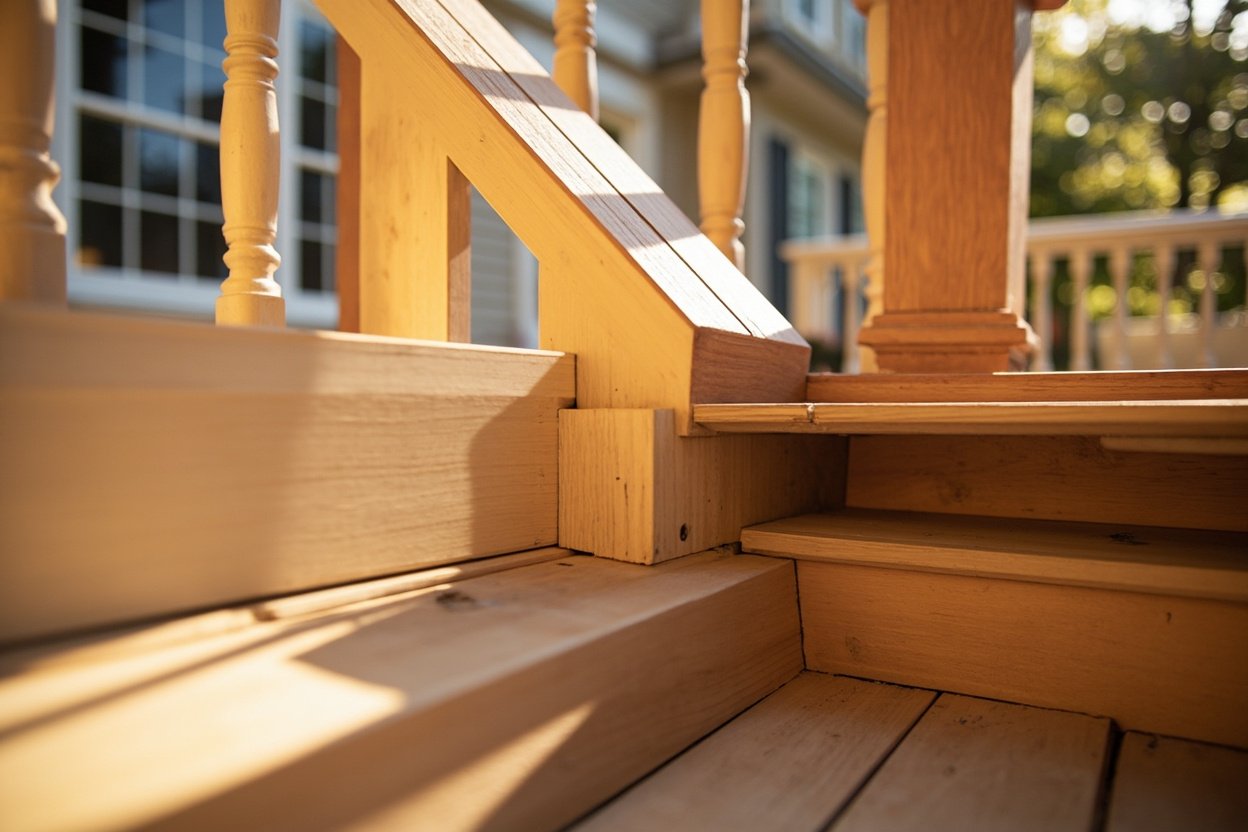
Weather exposure in Greater Boston accelerates wear on outdoor structures. Freeze-thaw cycles in winter cause wood to crack and splinter, while summer humidity leads to moisture retention and rot. These conditions make regular maintenance planning essential, but they also explain why older decks in Newton, Brookline, or Wellesley often need more attention than decks in milder climates.
Planning Your Deck Replacement in Greater Boston
Before any construction begins, proper planning saves time, money, and headaches down the road. The first step is understanding local requirements. Many communities in the Boston metro area require permits for deck construction, especially for decks higher than a certain height or those attached to the home. Towns like Lexington, Needham, and Quincy each have their own zoning regulations regarding setbacks, height limits, and proximity to property lines. A reputable contractor will be familiar with these requirements and can guide you through the permit process.
Think about how you want to use your deck. Do you need space for outdoor dining? Are stairs leading to your yard a priority? Will you be installing lighting, built-in seating, or a grill station? Answering these questions early helps your contractor design a structure that fits your lifestyle. During this phase, discuss material options with your builder. Composite decking has become a popular choice for Boston homeowners because it resists moisture, does not splinter, and holds up well against our freeze-thaw cycles. While the upfront cost is higher than traditional wood, composite materials often require less maintenance over time, which appeals to busy homeowners in communities like Weston, Westwood, and Natick.
Structural Framing and Safety Considerations
The hidden structure of your deck is just as important as the surface you walk on. Proper structural framing ensures your deck can safely support weight and resist the forces of wind and snow loading. In Massachusetts, snow loads can be significant during winter months, so your deck frame must be engineered accordingly. This means using appropriately sized beams, joists, and post connections, often with metal brackets and hardware designed to resist corrosion.
Railing safety is another critical element that many homeowners overlook until something goes wrong. Boston-area building codes specify minimum railing height, baluster spacing, and load requirements. If your current railings are loose, wobbly, or do not meet current standards, they should be addressed during your deck replacement. Modern railing systems come in a range of materials including aluminum, vinyl, and composite, allowing you to match aesthetics with safety requirements.
Stairs deserve careful attention as well. Properly designed deck stairs include consistent riser heights, adequate tread depth, and secure attachment to the stringers. Handrails are required on stairs above a certain height, and they must be graspable and firmly anchored. For homes with children or elderly residents, wider stairs with gentle rises make the space more accessible and safer for everyone.
Working with a Local Contractor
Choosing the right contractor for your deck replacement in Boston makes all the difference. Look for a company with established roots in the Greater Boston area, not an out-of-state outfit that works here seasonally. Local contractors understand our soil conditions, weather patterns, and municipal requirements. They have relationships with local building departments in Acton, Braintree, and Milton, which can streamline the permit process.
When evaluating potential contractors, ask about their experience with deck rebuilds versus new construction. A deck replacement often involves removing an existing structure, which can reveal hidden issues with the original construction. Experienced builders know how to handle unexpected complications like rotted rim joists or improperly installed ledger flashing.
Consider the range of services offered. The best contractors do more than just build decks. They also handle deck repairs, porch construction, and related work like stair replacement or railing upgrades. This breadth of service indicates a company equipped to handle whatever your project requires, from routine maintenance to complete transformations.
Here are key questions to ask before signing a contract:
- Are you familiar with the permit requirements in my town?
- What deck materials do you recommend for my site conditions?
- How will you handle the existing structure and its removal?
- What is your timeline for completing a deck rebuild?
- Do you provide warranties on workmanship and materials?
Making the Most of Your New Deck
Once your new deck is complete, a little ongoing care helps protect your investment for years to come. Even with composite decking, periodic cleaning removes dirt, pollen, and debris that can cause staining or mildew. If you chose wood materials, regular sealing and staining maintains moisture resistance and extends the life of the surface.
Seasonal inspections are worthwhile. After winter, check for any loose boards, damaged railings, or signs of heaving in concrete footings. Addressing small issues promptly prevents them from becoming larger problems. Many homeowners in Wayland, Burlington, and Bedford find that annual check-ups with a local contractor keep their decks safe and looking their best.
Think about seasonal use as well. If you enjoy your deck year-round, consider features like covered sections for shade in summer or heaters for cooler evenings in spring and fall. Stairs and pathways that remain slip-resistant in winter conditions make the space more accessible during the colder months that Boston is known for.
Ready to discuss your project? Visit our deck and porch services page or call (857) 837-2100 to schedule a free onsite estimate.
Advanced Deck & Porch is a brand owned and operated by Sun Shore Construction. All estimates, contracts, and construction services are provided by Sun Shore Construction.