
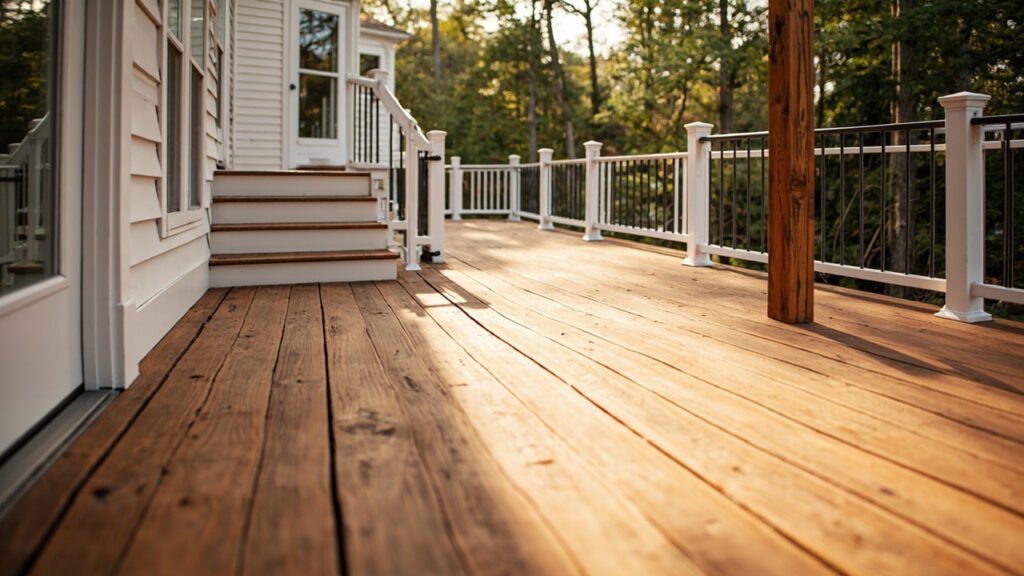
If your deck railing is showing signs of wear, damage, or outdated design, you are not alone. Many homeowners in Boston, Greater Boston, and MetroWest are discovering that their existing railings no longer meet current safety standards or have simply weathered beyond reasonable repair. Replacing your deck railing is one of the most important upgrades you can make for both safety and your home’s value. Understanding what the process involves helps you make informed decisions before you begin.
Why Deck Railing Replacement Matters in the Boston Climate
Boston-area homeowners face unique challenges that make railing maintenance and eventual replacement necessary. Our region experiences harsh winters with freezing temperatures, significant snowfall, and the freeze-thaw cycles that come with spring and fall. Summer humidity and intense sun exposure take their toll as well. These conditions accelerate wear on deck materials, particularly on railings that bear the brunt of weather exposure year after year.
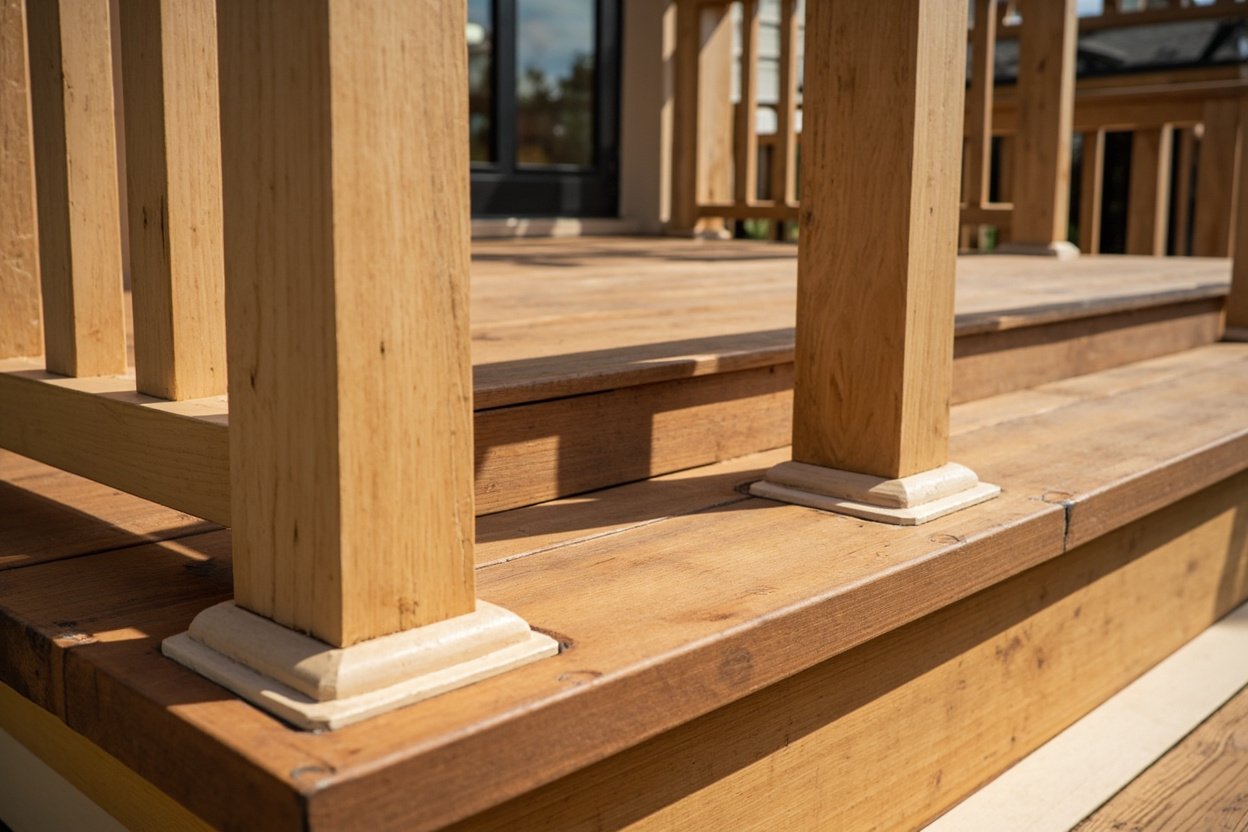
Beyond aesthetics, outdated railings often fail to meet current building codes. Standards for baluster spacing, height requirements, and structural connections have changed over the years. If your home is older and the deck has not been updated, your railing may present genuine safety concerns that go beyond appearance.
Common Signs You Need Railing Replacement
Recognizing when replacement is necessary saves you from more costly repairs down the road. Watch for these warning signs:
- Loose or wobbly posts that move when you apply pressure
- Rusted metal components, especially at connections and fasteners
- Cracked, splintered, or rotted wood sections
- Visible corrosion on hardware beneath the surface
- Railing sections that no longer meet code requirements for height or spacing
- Excessive weathering that cleaning and sealing cannot address
Structural framing beneath your deck may also be compromised even when damage is not immediately visible. A thorough inspection during the replacement process often reveals issues with joists, beams, and footings that need attention alongside your new railing system.
Material Choices for Boston Deck Railings
Modern railing systems offer several material options, each with distinct advantages for our regional climate. Composite decking and railing systems have become increasingly popular because they resist moisture absorption, do not rot, and require minimal maintenance compared to traditional wood. These materials hold up exceptionally well against Boston’s freeze-thaw cycles and maintain their appearance through multiple seasons without the need for annual sealing or staining.
Aluminum railings provide another durable option, particularly for those seeking a sleek, modern appearance. Aluminum resists corrosion and handles salt exposure well, which matters for homes near coastal areas or roads treated with de-icing materials during winter months.
Pressure-treated wood remains a viable choice for homeowners who prefer a natural aesthetic, though it requires ongoing maintenance including annual inspection, cleaning, and periodic sealing. The initial cost advantage of wood railings must be weighed against the long-term care requirements in our challenging climate.
The Replacement Process and What to Expect
Professional railing replacement involves several steps beyond simply removing old rails and installing new ones. A qualified contractor will assess the structural framing to determine whether repairs are needed before new railings are installed. This inspection often reveals hidden damage from moisture infiltration, insect activity, or age-related deterioration.
Stairs require particular attention since they present unique safety challenges. Deck stairs need proper structural support, code-compliant treads and risers, and secure handrails that extend to appropriate heights. Your contractor should evaluate the entire stair system, not just the visible railing components.
Permit requirements in Boston and surrounding communities vary based on deck height, location, and scope of work. A reputable contractor familiar with local building departments will handle permit applications and ensure all work meets current codes for your specific municipality, whether you are in Boston, Newton, Brookline, Wellesley, or other communities in the service area.
Planning Your Railing Replacement Project
Timing your project strategically offers advantages. Late spring through early fall typically provides optimal conditions for deck work in our region, though experienced contractors can work around weather challenges when necessary. Planning ahead allows you to coordinate with your contractor’s schedule and secure materials without rushed decisions.
Consider how your new railing will complement your overall deck design. Railing styles range from traditional to contemporary, and material choices affect both appearance and long-term maintenance requirements. Your contractor can guide you through options that fit your budget while meeting your practical and aesthetic goals.
Budget planning should account for potential structural repairs uncovered during the project. Setting aside a contingency amount for framing repairs or footing adjustments helps you avoid financial surprises if hidden damage is discovered once work begins.
Ready to discuss your project? Visit our deck and porch services page or call (857) 837-2100 to schedule a free onsite estimate.
Advanced Deck & Porch is a brand owned and operated by Sun Shore Construction. All estimates, contracts, and construction services are provided by Sun Shore Construction.