
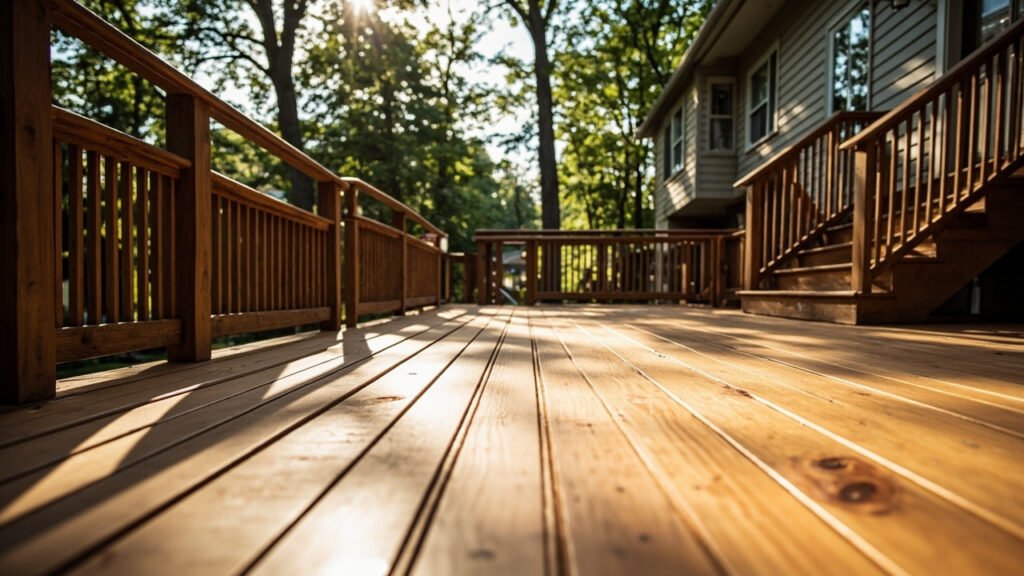
Building or rebuilding a deck in the Boston area is a smart investment, but the process involves more than choosing a style you like. Between New England weather, local permit requirements, and the technical demands of proper structural framing, working with an experienced deck contractor in Boston means having a partner who understands the specific challenges of building outdoors in this region.
Why Boston-Area Weather Shapes Your Deck Project
Massachusetts winters are no joke, and the freeze-thaw cycles that characterize Greater Boston weather take a real toll on outdoor structures. Moisture that seeps into cracks, freezes, and expands can compromise even well-built decks over time. This is why thoughtful material selection and solid construction practices matter so much here.
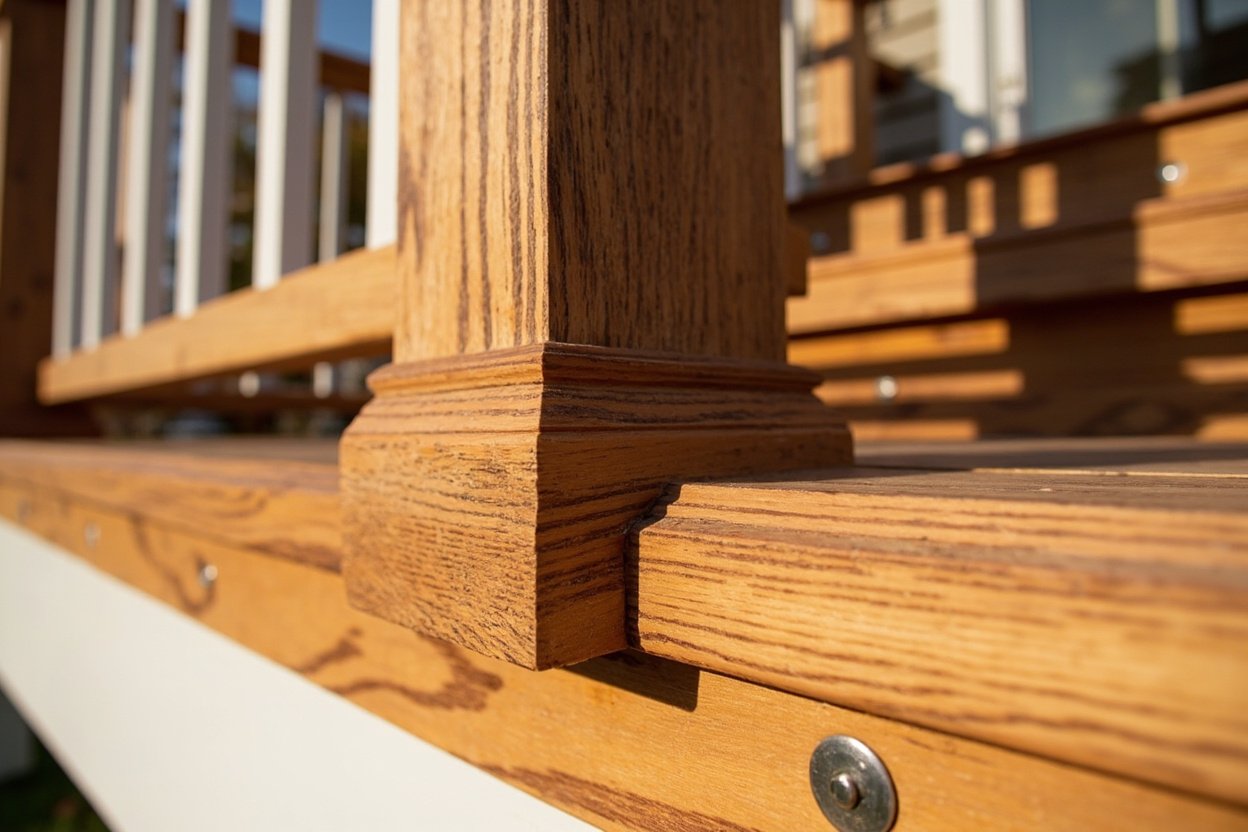
A quality deck contractor in Boston will plan for these conditions from the start. That means using pressure-treated lumber rated for ground contact where appropriate, choosing fasteners and connectors rated for exterior use, and ensuring proper drainage and ventilation around the structure. Whether you are building in Quincy, Wellesley, or right here in Boston proper, the local climate should influence every decision made during design and construction.
Structural Framing: The Foundation of a Safe Deck
The word framing may not sound glamorous, but it is arguably the most important part of any deck project. A deck can look beautiful and still be dangerous if the underlying structure is not engineered and built to handle the loads it will face year after year.
Proper structural framing includes:
- Correctly sized beams and joists based on span distances and expected load
- Secure connections between the deck and your home using proper ledger board flashing and fasteners
- Footings that extend below the frost line to prevent shifting during winter freeze-thaw cycles
- Notching and drilling practices that maintain the strength of pressure-treated posts and beams
These details are especially critical in towns like Newton, Brookline, and Westwood, where older homes often have existing structures that new deck additions must connect to safely and code-complying ways.
Choosing the Right Deck Materials for the Boston Climate
Two of the most common choices for Boston-area decks are traditional pressure-treated lumber and Composite decking. Each has a place depending on your priorities, budget, and how much maintenance you are willing to take on.
Pressure-treated wood remains popular because it is durable, cost-effective, and widely available. With regular cleaning, sealing, and periodic board replacement, a treated wood deck can serve your family well for many years.
Composite decking, on the other hand, has come a long way in recent years. Modern composites resist fading, warping, and moisture absorption far better than many older products, making them particularly well-suited to the kind of weather exposure decks in this area face year-round. Many homeowners appreciate that Composite decking does not require the same annual sealing schedule as wood, though occasional cleaning is still recommended.
A good deck contractor will walk you through the pros and cons of each material and help you make a choice that fits your goals and your budget, whether you are building a new front porch in Wayland or planning a full deck rebuild in Burlington.
Railing Safety and Stairs: Details That Protect Your Family
Building codes in Massachusetts set specific requirements for deck railings and stairs, and for good reason. Railings must meet minimum height standards, baluster spacing requirements, and load-bearing criteria to help keep children, guests, and pets safe. Stairs need proper rise and run measurements, secure stringers, and solid handrails.
These are areas where experienced deck builders pay close attention. Poorly installed railings and stairs are among the most common sources of injury and callback issues in outdoor construction. Whether your project is in Lexington, Natick, or Braintree, meeting or exceeding these safety standards is simply the right thing to do.
Navigating Permits and Local Requirements
Most municipalities in the Greater Boston and MetroWest areas require permits for new deck construction and significant rebuilds. Permit requirements vary from town to town, with some communities in areas like Wellesley, Weston, and Milton having additional review processes for larger projects or those in historic districts.
An established deck contractor familiar with local building departments can handle much of the permit process for you, including submitting plans and coordinating inspections. This is one of the practical advantages of working with a team that serves towns like Needham, Bedford, Canton, and Acton regularly. They understand what each jurisdiction looks for and can keep your project moving forward without unnecessary delays.
Planning for Long-Term Maintenance
Once your deck is complete, a little ongoing care goes a long way. No matter what material you choose, keeping the surface clean, checking for loose fasteners, and inspecting railing connections at least once a year helps catch small issues before they become bigger ones.
If you have a wood deck, plan to clean and reseal every couple of years. If you opted for Composite decking, a simple annual wash is usually sufficient. Either way, clearing snow from the surface when possible and ensuring good drainage away from the structure helps extend the life of your investment through many Boston winters.
Ready to discuss your project? Visit our deck and porch services page or call (857) 837-2100 to schedule a free onsite estimate.
Advanced Deck & Porch is a brand owned and operated by Sun Shore Construction. All estimates, contracts, and construction services are provided by Sun Shore Construction.