
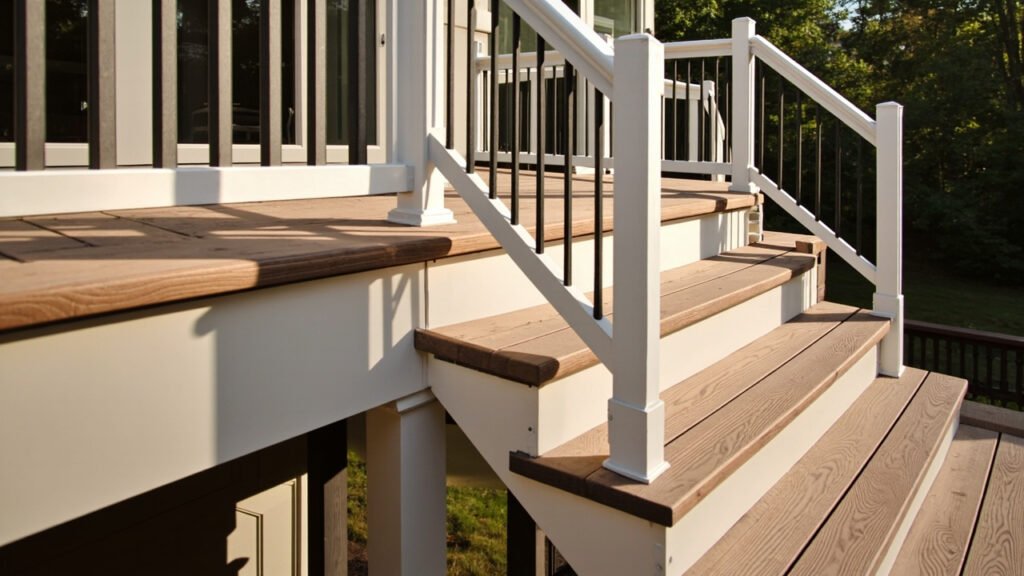
Adding a composite deck to your Boston-area home is one of the best investments you can make for your outdoor living space. Whether you are in Newton, Brookline, Wellesley, or one of the many other communities in Greater Boston, a professionally installed deck extends your living area and adds lasting value to your property. But choosing the right composite deck installer in Boston requires careful consideration of several important factors.
Why Composite Decking Works Well for Boston Homes
Boston weather presents unique challenges for outdoor structures. From humid summers to harsh winters with heavy snow and ice, your deck endures significant weather exposure throughout the year. Composite decking handles these conditions exceptionally well because it resists moisture absorption, warping, and splintering that plague traditional wood decks in our climate.
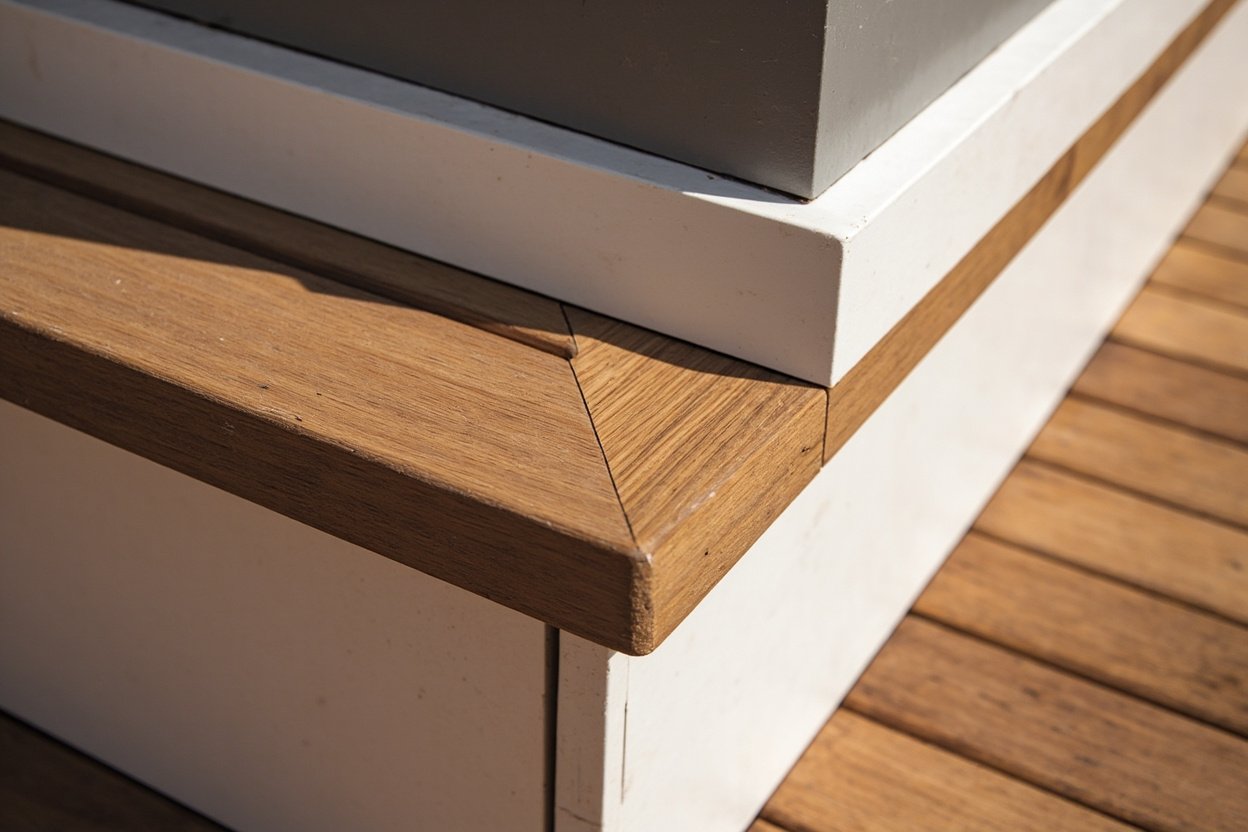
Unlike wood, composite materials do not require annual staining or sealing. This makes maintenance planning much simpler for busy homeowners throughout MetroWest and the surrounding areas. The material maintains its appearance season after season, even when subjected to the freeze-thaw cycles that characterize New England winters.
When selecting deck materials for your Boston project, composite offers an attractive balance of durability and aesthetics. Modern composite decking comes in a wide variety of colors and textures that mimic natural wood while providing superior longevity.
Understanding Structural Framing Requirements
The foundation of any successful deck project lies in proper structural framing. Even the highest quality composite decking cannot perform well on a poorly constructed frame. Your composite deck installer in Boston must understand the specific requirements for our region, including frost depth considerations and load calculations for snow accumulation.
Boston building codes require footings that extend below the frost line to prevent heaving during winter months. This is particularly important in towns like Wellesley, Weston, and Wayland where soil conditions vary. Professional installers account for these factors during the design phase to ensure your deck remains stable and safe for decades.
Quality framing also involves selecting appropriate ledger connections to your home, proper joist spacing for composite boards, and adequate support for any built-in features like benches or planters. These details matter significantly for long-term performance.
Safety Considerations for Deck Railings and Stairs
Railing safety is not optional in Massachusetts. Building codes specify minimum height requirements, baluster spacing, and load capacities for deck railings. Your installer must be familiar with these regulations to ensure your project passes inspection in whatever town you reside, whether that is Quincy, Braintree, Milton, or Canton.
Stairs deserve equal attention. Properly designed deck stairs include appropriate rise and run dimensions, secure stringer attachment, and comfortable landing areas. Non-slip surfaces and adequate lighting improve safety during Boston’s dark winter evenings.
When planning your project, discuss the various railing options available. Aluminum, composite, and vinyl railings each offer different aesthetics and maintenance requirements. Your installer can help you select options that complement your home’s architecture while meeting all safety standards.
Navigating Permits and Local Regulations
Most deck construction projects in Greater Boston require building permits. The specific requirements vary by municipality, so your composite deck installer should be familiar with the permitting process in your specific town. Whether you are in Lexington, Needham, Natick, or Bedford, proper permits ensure your project meets all local building codes.
The permit process typically involves submitting detailed plans that address structural requirements, safety features, and setback distances from property lines. Working with an experienced installer who understands these requirements streamlines the process and prevents costly revisions.
Historic districts in communities like Brookline and Newton may have additional design review requirements. Planning ahead for these possibilities helps avoid delays in your project timeline.
Planning Your Deck Project for Boston’s Seasons
Timing matters when planning deck construction in Massachusetts. Most homeowners prefer to break ground in spring or early summer, allowing them to enjoy their new outdoor space during warm weather months. However, fall installation also works well, giving the deck time to settle before the first snow.
Weather exposure during construction can affect materials and schedules. Professional installers have contingency plans for rain and other weather interruptions. They also consider how construction timing affects your landscape and existing structures.
Before construction begins, discuss access to your property, storage of materials, and how the project will affect your daily routine. Clear communication about these practical matters ensures a smoother construction experience.
Ready to discuss your project? Visit our deck and porch services page or call (857) 837-2100 to schedule a free onsite estimate.
Advanced Deck & Porch is a brand owned and operated by Sun Shore Construction. All estimates, contracts, and construction services are provided by Sun Shore Construction.