
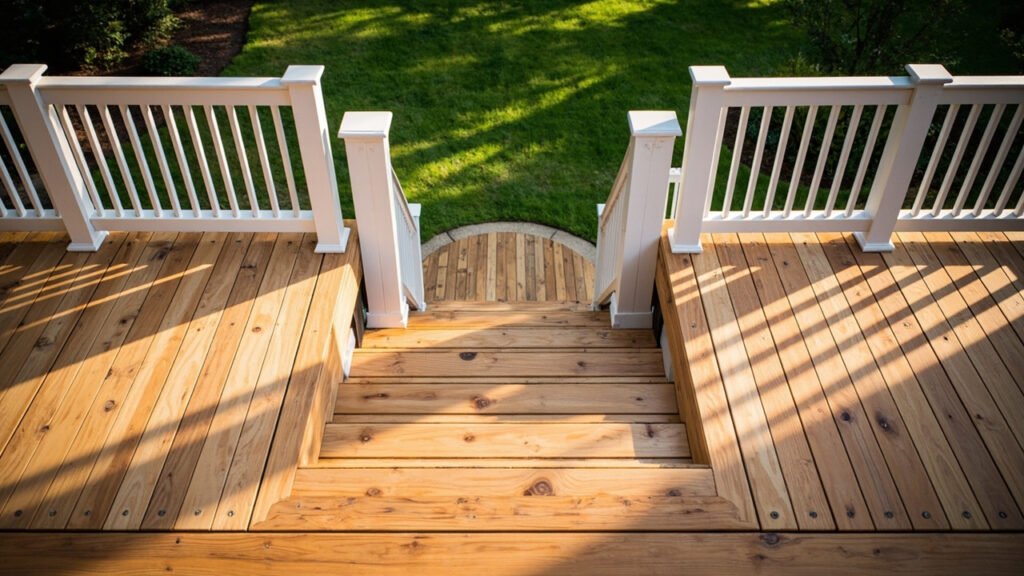
Building a custom deck in Boston is an exciting home improvement project, but navigating the process requires careful planning and the right contractor. Whether you envision morning coffee on a spacious front porch or weekend barbecues on a back deck, understanding what goes into a well-built structure helps you make informed decisions from the start.
Why Boston Homeowners Choose Custom Deck Construction
New England weather presents unique challenges that generic deck designs simply cannot address. A custom deck builder Boston homeowners trust understands how heavy snow loads, freeze-thaw cycles, and coastal humidity affect outdoor structures. Rather than applying a one-size-fits-all approach, professional builders assess your specific property, soil conditions, and exposure to develop a deck that lasts.
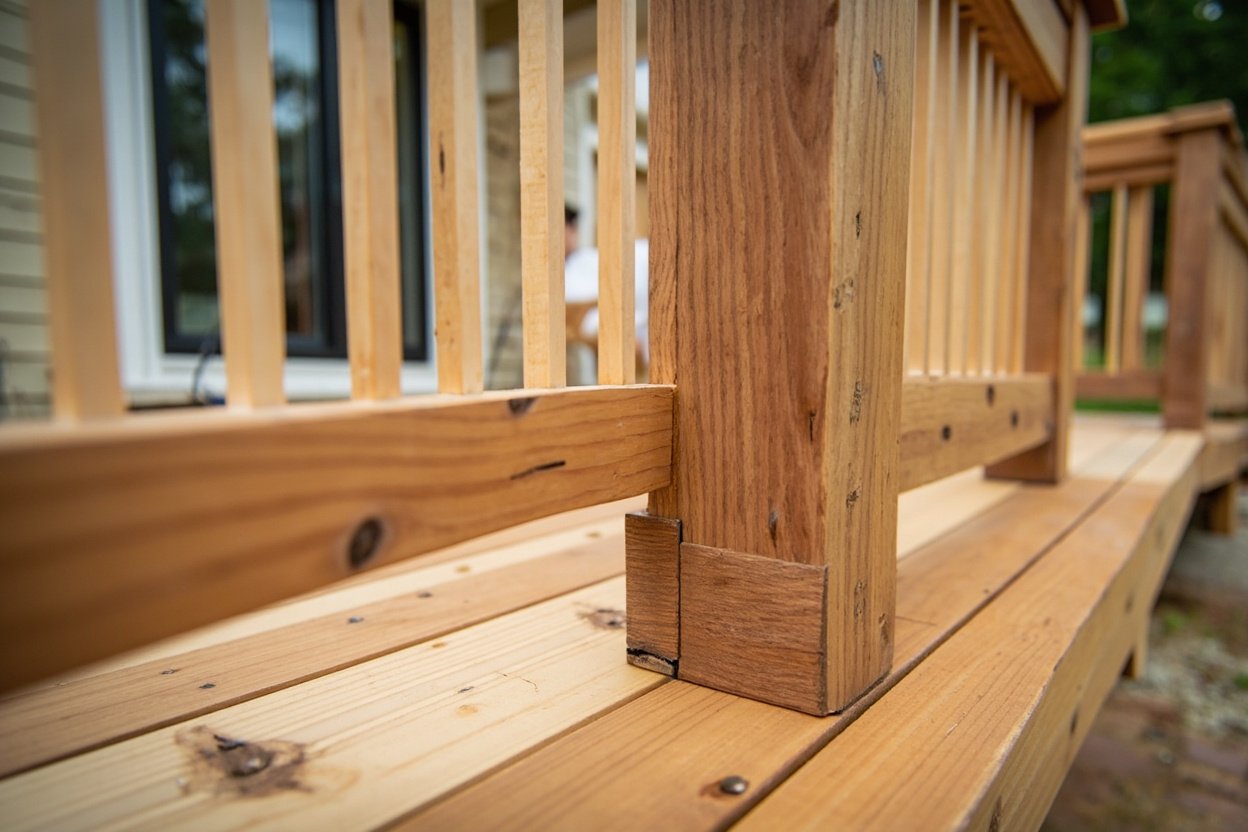
Custom construction also means your deck matches your home’s architecture and your family’s lifestyle. A Victorian in Brookline deserves different treatment than a modern home in Newton. Working with experienced craftsmen ensures your new deck or porch complements your property while meeting all functional needs.
Selecting the Right Deck Materials for Boston Weather
Material choice significantly impacts both the appearance and longevity of your deck. Traditional pressure-treated lumber remains popular due to its affordability and availability, but it requires regular maintenance to prevent warping and decay. Many Boston-area homeowners now consider Composite decking as a low-maintenance alternative that resists moisture damage and maintains its appearance without annual sealing.
When evaluating deck materials, consider these key factors:
- Moisture resistance – Boston’s humidity and winter snow demand materials that won’t absorb water and deteriorate
- UV stability – Direct sunlight causes fading and degradation in some materials over time
- Maintenance requirements – Your willingness to stain, seal, or clean affects which materials suit your lifestyle
- Longevity – Initial cost versus lifetime replacement cost should guide your decision
- Surface texture – Slip resistance matters for pool areas and shaded locations
Hardwood options like Ipe offer exceptional durability but come with higher upfront costs and installation complexity. The right choice depends on your budget, aesthetic preferences, and commitment to maintenance.
Structural Framing: The Foundation of a Safe Deck
Beautiful decking materials mean nothing without proper structural framing underneath. Boston’s building codes require specific load calculations accounting for snow accumulation, furniture weight, and occupancy. Professional deck builders ensure footings extend below the frost line to prevent heaving during winter freeze-thaw cycles.
Structural framing connects directly to your home’s foundation using appropriate ledger board attachment methods. This connection point receives intense scrutiny during permit inspections because improper installation represents one of the most common causes of deck collapse. Quality builders use stainless steel or hot-dipped galvanized hardware to resist corrosion from moisture exposure.
Ventilation beneath elevated decks prevents moisture buildup that leads to premature rot. Strategic airflow planning protects both the structural components and your home’s exterior where the deck attaches.
Railing Safety and Stairs: Meeting Code Requirements
Railing safety serves both practical and legal purposes. Boston-area building codes specify minimum railing height, baluster spacing, and structural loading requirements. These regulations protect your family while ensuring your deck passes inspection upon completion.
Modern railing options include aluminum, glass, composite, and traditional wood systems. Each material offers different aesthetic qualities and maintenance requirements. Glass railings provide unobstructed views of your landscaping but require regular cleaning to maintain clarity. Aluminum offers durability with minimal upkeep while supporting various design styles.
Deck stairs demand equal attention. Tread depth, riser height consistency, and handrail installation all fall under strict code requirements. Uneven stairs create fall hazards, particularly concerning for families with children or elderly members. Professional builders ensure every step meets specifications and provides secure footing.
Navigating Permits and Regulations in Greater Boston
Most deck construction in the Greater Boston area requires building permits from your local municipality. Requirements vary between Newton, Brookline, Wellesley, and other communities, with some towns mandating engineer stamps for larger structures. Experienced contractors handle permit applications and coordinate required inspections throughout construction.
Front porch construction often faces additional historic preservation review in older neighborhoods. Properties in Brookline, Milton, and Lexington may have restrictions on exterior modifications to maintain neighborhood character. A knowledgeable builder helps navigate these requirements while preserving your design vision.
Maintenance Planning for Long-Term Enjoyment
Even the highest-quality deck requires some maintenance to maximize its lifespan. Establishing a care routine before construction completes ensures you understand what to expect after installation. Weather exposure accelerates wear on all outdoor structures, but proper maintenance planning significantly extends deck life regardless of material choice.
Schedule seasonal inspections to check for loose fasteners, damaged boards, and signs of moisture intrusion. Address small problems promptly before they develop into expensive repairs. Composite decking requires less frequent attention than wood alternatives, but periodic cleaning keeps it looking its best.
Ready to discuss your project? Visit our deck and porch services page or call (857) 837-2100 to schedule a free onsite estimate.
Choosing Your Custom Deck Builder
Experience matters significantly in deck construction. Look for contractors who understand Boston’s specific building requirements and have completed projects in your community. Ask about their process for handling permits, their approach to weather-related construction challenges, and their warranty or service policies.
Quality craftsmanship shows in the details: consistent board spacing, clean cuts at transitions, and proper flashing around attachment points. These finishing touches distinguish professional construction from amateur work and protect your investment for years to come.
Advanced Deck & Porch is a brand owned and operated by Sun Shore Construction. All estimates, contracts, and construction services are provided by Sun Shore Construction.