
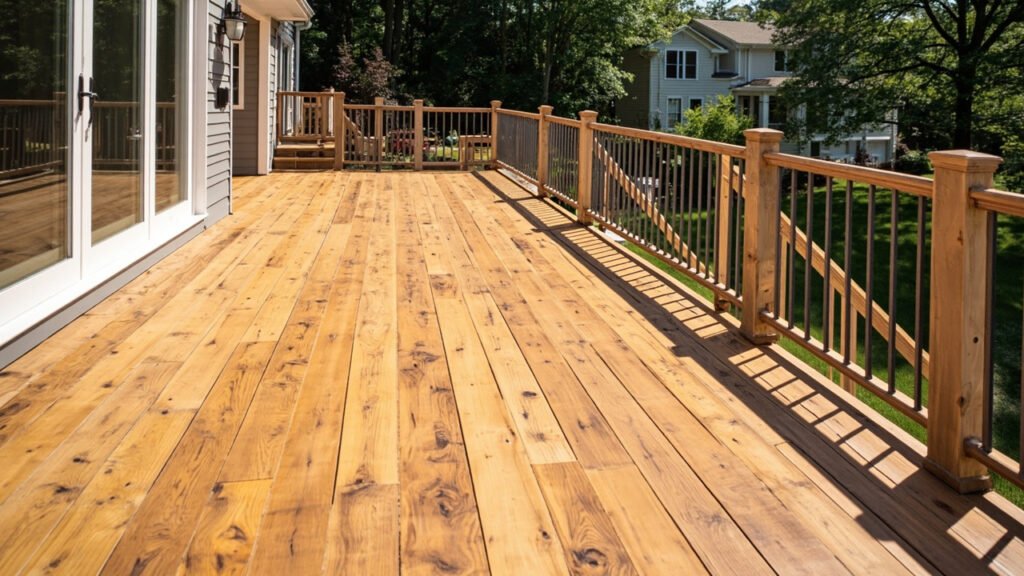
Building or replacing a deck in the Boston area means working with New England weather, navigating local permit requirements, and making smart material choices that last. Whether you’re in Newton, Brookline, Wellesley, or any of the surrounding communities, understanding what goes into deck construction helps you make informed decisions about your home improvement project.
Planning Your Deck Project in Greater Boston
Before breaking ground, proper planning sets the foundation for success. Boston’s seasonal weather patterns play a significant role in how you approach your deck project. The freeze-thaw cycles common throughout Greater Boston and MetroWest put stress on structural components, making proper installation critical for long-term durability.
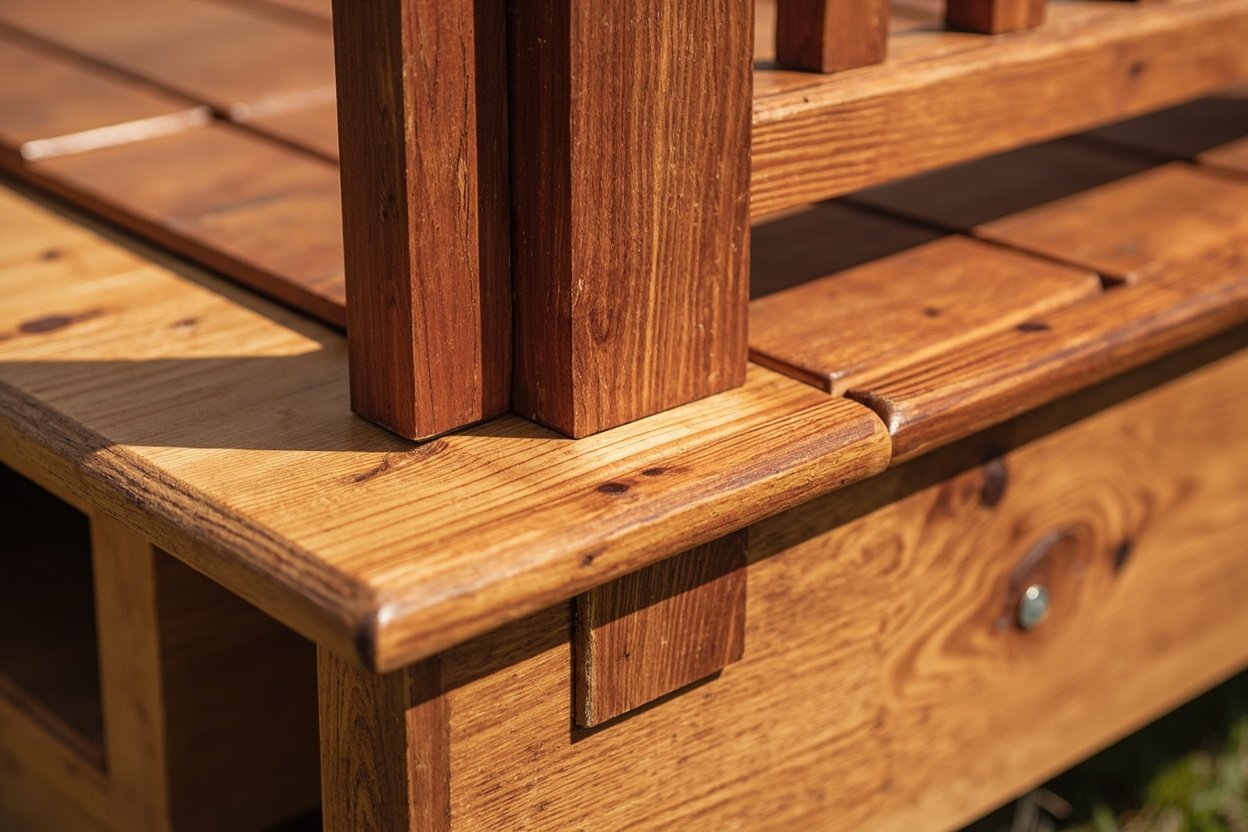
Most municipalities in the area require permits for deck construction, particularly if the structure exceeds a certain height or square footage. Building departments in towns like Wellesley, Weston, Lexington, and Needham have specific codes governing deck construction, including requirements for structural framing, footings, and railing systems. Your contractor should handle permit applications and ensure compliance with local regulations.
Choosing the Right Deck Materials
Material selection directly impacts how your deck performs under Boston’s weather conditions. Traditional wood decking requires regular maintenance to prevent splitting, warping, and moisture damage. Many homeowners in the area now consider composite decking as an alternative that offers greater resistance to the elements while requiring less upkeep throughout the year.
Composite decking resists fading, staining, and moisture penetration better than traditional wood, making it well-suited for the humidity and temperature fluctuations experienced in Newton, Brookline, and surrounding communities. While the upfront cost differs from pressure-treated lumber, the reduced maintenance requirements and longer lifespan often make it a cost-effective choice over time.
Structural Framing and Long-Term Stability
The strength of any deck depends on proper structural framing that can withstand New England weather conditions. Support posts, beams, and joists must be sized appropriately and anchored securely to resist wind loads and frost heave. Proper flashing and ventilation help protect the structure from moisture accumulation that leads to decay and deterioration.
Your contractor should explain the framing approach for your specific site conditions, whether you are building in Burlington’s sandy soils or Braintree’s clay-based terrain. Ground conditions affect footing depth and design, which is why local experience matters when constructing deck foundations in the Greater Boston area.
Stairs and Railing Safety Requirements
Safe stairs and proper railings are essential for any elevated deck. Stair dimensions must meet building codes, including consistent rise heights and adequate tread depth. Railing systems need to withstand horizontal pressure while providing secure handholds. In communities like Quincy, Milton, and Westwood, where multi-level homes are common, properly designed stairs make daily use safer for your family.
Railing materials range from traditional wood to aluminum and composite options. Each material offers different aesthetics and maintenance requirements. Your contractor can help you select options that complement your home’s exterior while meeting safety standards.
Weather Exposure and Seasonal Planning
Boston area decks face significant weather exposure throughout the year. Summer humidity, winter snow loads, spring rains, and fall leaf accumulation all take their toll on outdoor structures. Planning for proper drainage away from the house prevents water damage to both the deck and your home’s foundation.
Seasonal timing matters for deck construction. While modern building techniques allow for year-round installation, many homeowners prefer planning their project during winter or early spring. This approach often means construction begins as weather improves, giving you a new or rebuilt deck ready for summer enjoyment.
Maintenance Planning for Your Deck
Once your deck is complete, regular maintenance helps protect your investment for years to come. Seasonal inspections should check for loose boards, protruding fasteners, and signs of structural movement. Cleaning the surface, especially after winter, removes debris and salt residue that accelerates wear.
Even with composite decking, periodic cleaning maintains the appearance of your outdoor space. For wood decks, annual sealing and staining protect the surface from moisture penetration. Your contractor can recommend a maintenance schedule based on the materials used and your specific site conditions.
Why Local Experience Matters for Boston Area Projects
Deck construction in Greater Boston requires understanding of local building departments, soil conditions, and weather patterns. Contractors familiar with the area know which permitting requirements apply to your specific town and how to address challenges unique to neighborhoods across Newton, Brookline, Wellesley, and beyond.
Working with a local contractor means getting personalized service backed by knowledge of regional construction practices. From matching your deck to existing structures on historic properties in Lexington to modern additions in new developments throughout MetroWest, local expertise makes a difference in the final result.
Ready to discuss your project? Visit our deck and porch services page or call (857) 837-2100 to schedule a free onsite estimate.
Advanced Deck & Porch is a brand owned and operated by Sun Shore Construction. All estimates, contracts, and construction services are provided by Sun Shore Construction.