
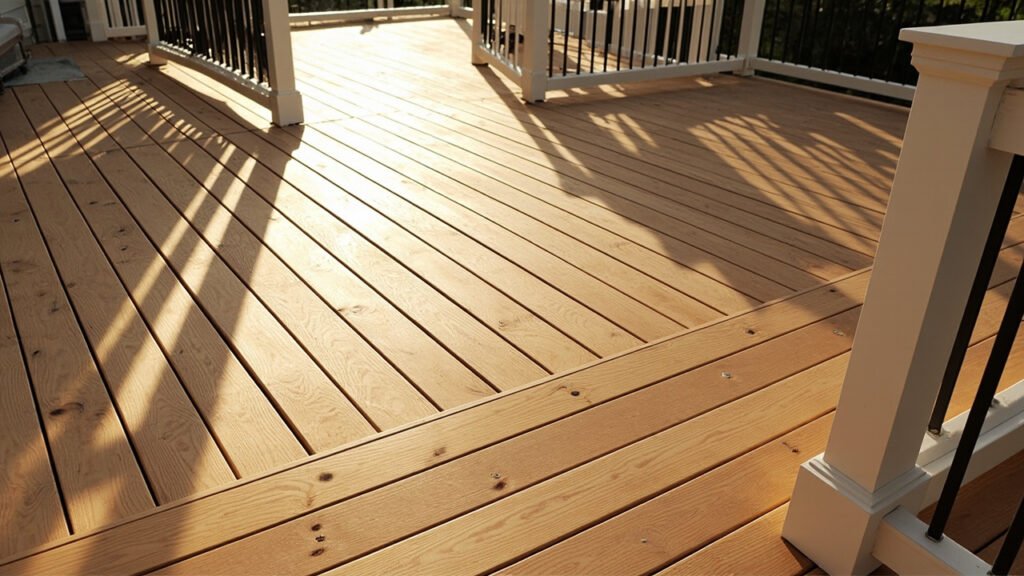
Living in the Greater Boston area means your deck endures a wide range of weather conditions throughout the year. From humid summers to harsh winters with freezing temperatures and heavy snow loads, your deck’s structural integrity faces real challenges. If you have noticed sagging boards, loose railings, or unstable stairs, addressing deck repair in Boston promptly helps prevent more extensive damage and costly rebuilds down the road.
Common Deck Problems in Boston Homes
Boston’s climate creates specific stressors for wooden structures. Ice, snow, rain, and temperature fluctuations cause boards to crack, warp, or split. Constant exposure to moisture leads to rot in softwoods, while freeze-thaw cycles can compromise structural framing. Even composite decking, though more resistant to moisture than traditional wood, benefits from periodic inspections to ensure fasteners remain secure and connections stay stable.
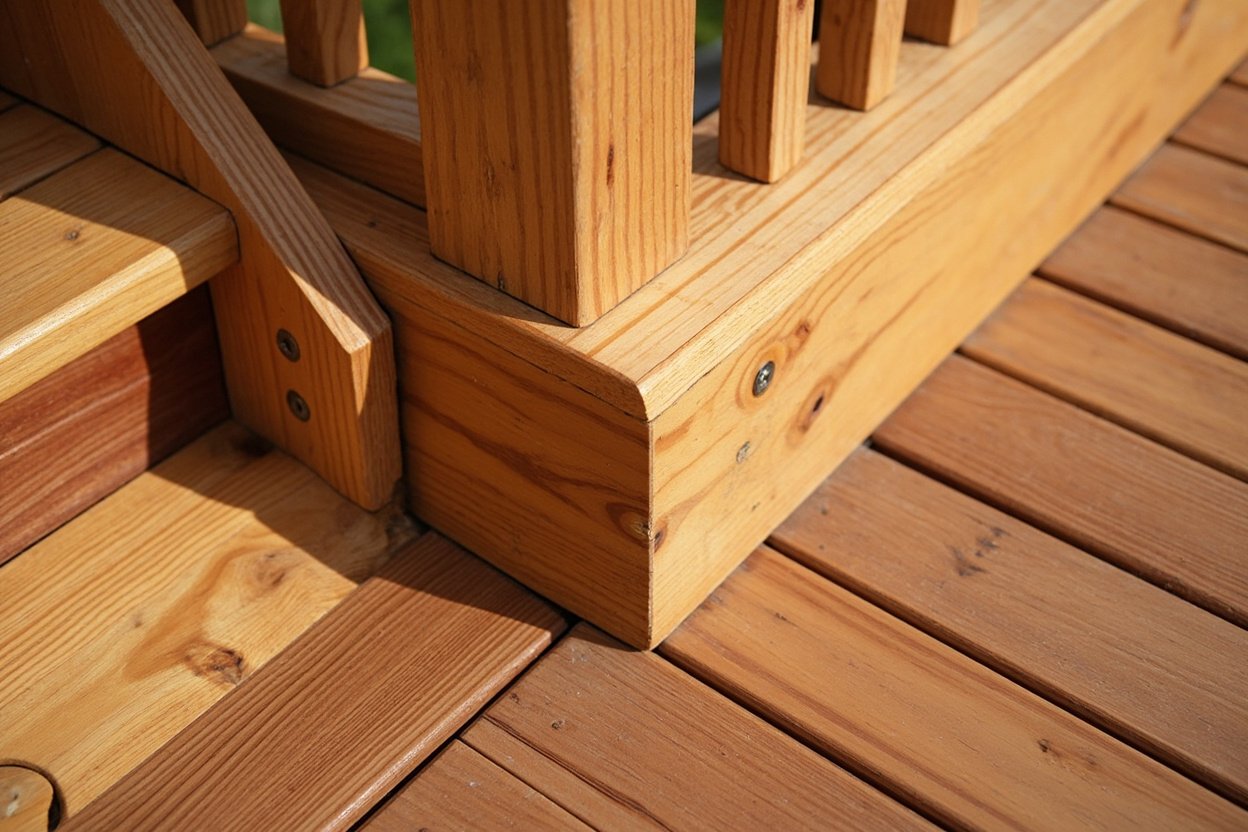
Homeowners in towns like Newton, Brookline, and Wellesley often deal with aging decks on historic properties. These structures may have outdated structural framing that does not meet current building codes. Loose deck stairs, wobbly railings, and sinking support posts are common concerns that require professional attention.
What to Look For During Inspections
Regular maintenance planning helps extend the life of your deck. When evaluating your current structure, check the following areas thoroughly.
- Support posts and footings: Look for signs of settlement, rot at the base, or movement when weight is applied. Posts should sit firmly on concrete footings that extend below the frost line to prevent heaving during winter.
- Ledger board connection: This critical attachment point connects your deck to the house. Inspect for rusted fasteners, gaps, or water staining that might indicate improper flashing.
- Joists and beams: Probe wooden members with a screwdriver. If the tool penetrates easily, rot may be present. Check for notches, splits, or insect damage as well.
- Deck boards: Examine surface boards for cracked, splintered, or cupping sections. Note any areas where water pools rather than draining.
- Railing safety: Test railings by applying firm pressure. They should not flex or sway. Balusters should be spaced no more than four inches apart to prevent accidents.
- Stairs: Inspect stringers for cracks or rot. Check that treads are secure and risers are even. Loose or uneven stairs present fall hazards.
Document any issues you find and prioritize repairs based on safety concerns first.
Weather Exposure and Seasonal Planning
Massachusetts weather demands proactive deck care. Before winter arrives, schedule any needed deck repairs so that your structure can handle snow accumulation and freezing conditions. Remove furniture and store items to prevent moisture damage to accessories left outdoors.
Spring provides an ideal window for deck inspections after the frost heave season. Look for any new movement in footings or posts. Clean surfaces thoroughly to remove debris and mildewc that accumulated over winter. Applying a fresh coat of sealer to traditional wood decking helps protect against summer humidity and UV exposure.
Summer heat can cause expansion in some deck materials. Leave small gaps between boards during installation or replacement to allow for movement without buckling. If your deck faces south or west, consider materials rated for UV resistance to minimize fading and surface degradation.
Material Choices for Boston Decks
Selecting appropriate deck materials affects long-term maintenance needs and durability. Traditional pressure-treated lumber remains popular due to its lower initial cost and wide availability. It handles Boston’s moisture conditions reasonably well when properly maintained with regular sealing.
Composite decking offers a low-maintenance alternative that resists rot, splintering, and insect damage. Many homeowners appreciate that composite materials do not require annual sealing or staining. Modern composites come in various colors and textures that mimic natural wood grain while providing longer service life in harsh climates.
Hardwoods like mahogany or ipe provide natural beauty and excellent durability, though they come at premium pricing. These dense woods resist moisture absorption and insects naturally. Cedar provides another option with natural rot resistance, though it benefits from protective sealing to maintain its appearance.
Regardless of chosen materials, proper structural framing using pressure-treated lumber rated for ground contact ensures your deck’s foundation remains stable through Boston winters.
Permits and Building Codes in Greater Boston
Deck construction and significant repairs in the Greater Boston area typically require building permits. Local codes in towns like Quincy, Braintree, and Milton may have specific requirements regarding setbacks, height limits, and load calculations. A reputable deck contractor understands these regional variations and ensures all work meets local building department standards.
Railing specifications receive particular attention during inspections. Current codes mandate specific heights, baluster spacing, and load capacities for both horizontal and diagonal loads. If your existing railings do not conform to current standards, bringing them into compliance during repairs protects your family and prevents failed inspections when selling your home.
Electrical permits may apply if you plan to add lighting, outlets, or other electrical features to your deck. These additions should always be handled by licensed electricians to ensure safe, code-compliant installation.
Planning Your Deck Repair Project
Approach deck repair methodically rather than addressing symptoms without investigating underlying causes. A sagging deck often indicates compromised footings or deteriorated support posts, not just worn surface boards. Simply replacing damaged boards without fixing foundational issues leads to recurring problems.
Structural framing repairs typically require the most expertise. Replacing a rotted rim joist or sistering a weakened beam demands proper engineering judgment to ensure adequate load distribution. These hidden components bear the weight of your deck, furniture, and everyone standing on it.
When selecting a contractor for deck repair in Boston, verify their experience with local building codes and climate considerations. Ask about their approach to structural assessment and their familiarity with appropriate deck materials for New England conditions. A thorough contractor will explain what they found during inspection and recommend targeted repairs rather than suggesting unnecessary replacements.
Ready to discuss your project? Visit our deck and porch services page or call (857) 837-2100 to schedule a free onsite estimate.
Advanced Deck & Porch is a brand owned and operated by Sun Shore Construction. All estimates, contracts, and construction services are provided by Sun Shore Construction.