
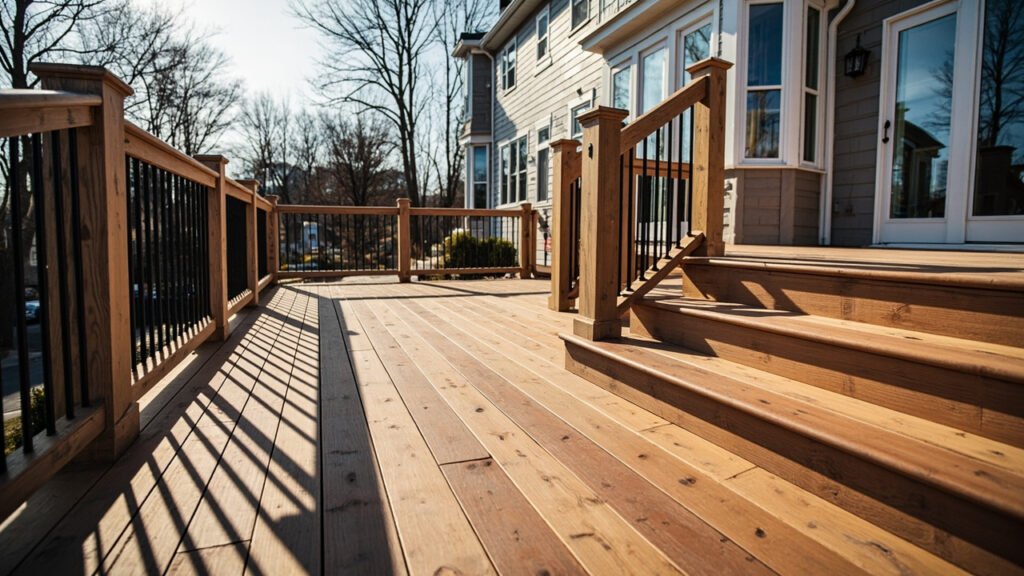
Boston’s harsh winters, humid summers, and coastal exposure take a real toll on outdoor structures. If you’re a homeowner in the Greater Boston area dealing with a deteriorating deck, understanding your repair options can save you time, money, and headaches down the road. This guide walks you through the most common deck repair challenges in Boston and what to look for when evaluating whether repair or replacement makes sense for your home.
Why Boston Decks Face Unique Challenges
Your deck endures extreme conditions that most other parts of your home do not. Freeze-thaw cycles during winter cause materials to expand and contract, while spring rain and summer humidity accelerate wood rot. Living near the coast means salt air exposure, and older decks built with outdated building codes often have compromised structural elements. Even well-maintained decks typically show signs of wear after 15-20 years in New England weather.
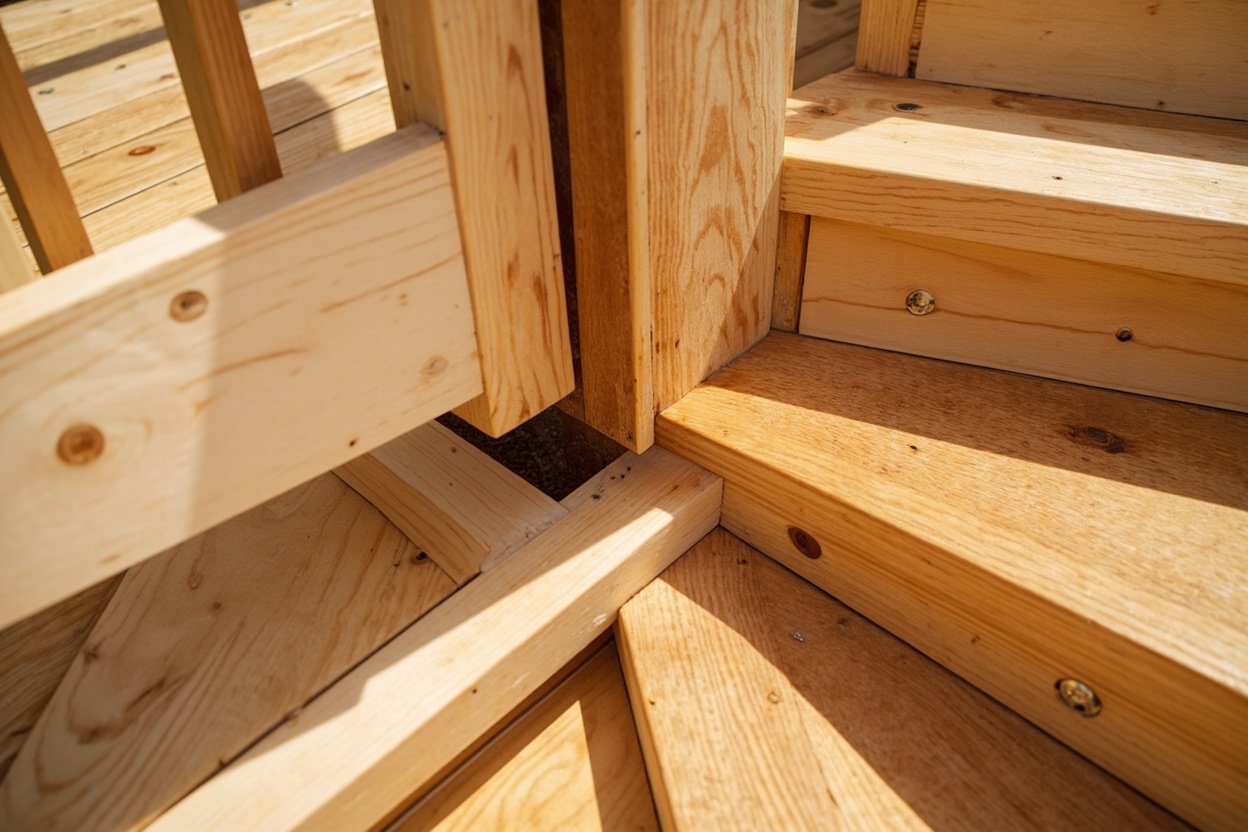
The combination of snow load, ice accumulation, and rapid temperature changes creates stress on everything from the ledger board connection to the smallest deck boards. Weather exposure in Greater Boston demands attention to proper drainage, adequate ventilation, and materials that can handle moisture without deteriorating.
Key Areas to Inspect on Your Boston Deck
When evaluating deck repair needs, focus on these critical components that commonly require attention in our area:
- Ledger board – This connection point to your house often fails first due to water damage or improper installation
- Structural framing – Posts, beams, and joists should be checked for rot, insect damage, or movement
- Deck boards – Cracking, warping, and soft spots from moisture exposure indicate replacement needs
- Stairs – Treads, stringers, and connections require careful inspection for safety
- Railing safety – Loose balusters, wobbly posts, or improper heights pose liability risks
Take a screwdriver and press it into any wood that looks suspicious. If it sinks easily, you have rot that needs attention. Walk on the deck and note any bouncing or flexing, which suggests compromised framing beneath the surface.
Material Choices That Perform in New England
Whether you are replacing damaged sections or planning a full rebuild, your material choices matter significantly in our climate. Composite decking has become increasingly popular among Boston homeowners because it resists moisture, won’t rot, and requires minimal maintenance compared to traditional wood. While the upfront cost is higher, many find the long-term savings in upkeep worthwhile.
Pressure-treated lumber remains a solid choice for structural components and offers good value, though it requires regular sealing to maximize lifespan. PVC and capped composite options provide excellent resistance to the elements without the need for staining or sealing. If you prefer natural wood, consider hardwoods like ipe, though be prepared for more maintenance in our humid climate.
For railings, aluminum and vinyl offer durability with minimal upkeep, while glass panels provide unobstructed views for homes with attractive landscapes. The right combination depends on your budget, aesthetic preferences, and willingness to perform seasonal maintenance.
When to Repair Versus Replace Your Deck
Not every damaged deck needs to be torn down and rebuilt. Targeted repairs make sense when damage is limited to specific areas and the underlying structure remains sound. Replacing a few rotted boards, reinforcing a wobbly railing, or sistering damaged joists can extend your deck’s life significantly at a reasonable cost.
However, deck rebuilds become the better option when you encounter widespread rot, structural instability, or damage to the ledger board connection. Older decks often fail to meet current building codes, which have become more stringent regarding things like railing heights, stair dimensions, and lateral bracing requirements. Towns throughout Greater Boston, including Newton, Brookline, Wellesley, and Lexington, have specific permit requirements that your deck must satisfy.
A good contractor will honestly assess whether repairs will solve your problems or whether replacement makes more sense economically in the long run.
Planning Your Deck Repair Project
Before starting any work, check with your local building department about permit requirements. Many municipalities in the area require permits for deck repairs that involve structural changes, stairs, or railings. A professional contractor familiar with local codes can help navigate these requirements and ensure your project meets all regulations.
Seasonal timing matters in New England. Spring through early fall typically offers the best window for deck work, though mild winter days can work for smaller repairs. Planning ahead allows you to book contractors before the busy summer season while ensuring the work is completed before cold weather returns.
Create a maintenance plan for after your repairs are complete. Regular cleaning, annual inspections, and prompt attention to small problems prevents larger issues from developing. Re-seal wood surfaces every few years, keep gutters and downspouts functioning properly, and trim any landscaping that holds moisture against your deck.
Ready to discuss your project? Visit our deck and porch services page or call (857) 837-2100 to schedule a free onsite estimate.
Advanced Deck & Porch is a brand owned and operated by Sun Shore Construction. All estimates, contracts, and construction services are provided by Sun Shore Construction.