
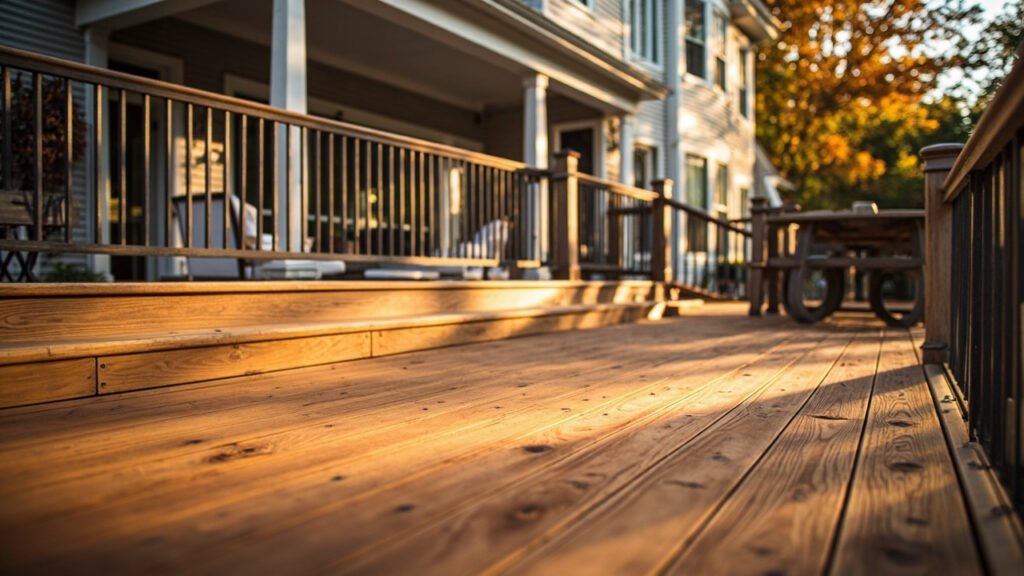
Boston’s seasonal weather puts significant stress on outdoor structures, and decks are no exception. If you own a home in Boston, Greater Boston, or the MetroWest area, understanding deck repair fundamentals helps you protect your investment and keep your family safe. This guide walks you through the key considerations for deck repair in our region.
Why Boston Decks Need Special Attention
Our New England climate creates unique challenges for deck structures. From heavy snow loads in winter to humid summers and freeze-thaw cycles throughout the year, your deck faces constant environmental stress. Over time, this exposure leads to loose boards, compromised structural elements, and safety concerns that require professional attention.
Advanced Deck & Porch serves homeowners throughout Boston, Newton, Brookline, Wellesley, and surrounding communities. Our team understands how local weather patterns affect deck longevity and which repair approaches work best for homes in our region.
Common Deck Problems in the Boston Area
Several issues frequently appear in Boston-area decks. Recognizing these problems early helps you address them before they escalate into major structural concerns.
- Loose or rotted framing: Water damage compromises wooden support beams and joists, especially where water pools or drains poorly.
- Warped or cracked decking boards: Seasonal temperature changes cause wood to expand and contract, leading to surface damage.
- Unstable stairs: Deck stairs bear heavy use and often show signs of wear before other areas.
- Weak or loose railings: This represents a serious safety issue that requires immediate professional attention.
- Corroded hardware: Nails, bolts, and brackets rust over time, especially in coastal areas like Quincy, Weymouth, and Milton.
Regular inspections help catch these problems early. If you notice any of these signs, scheduling a professional assessment protects your family’s safety.
Choosing the Right Deck Materials for New England
Material selection significantly impacts deck longevity in our climate. Traditional wood decking requires ongoing maintenance to withstand Boston weather, while modern alternatives offer improved durability with less upkeep.
Composite decking has become increasingly popular throughout Greater Boston. It resists moisture absorption, won’t rot or warp, and maintains its appearance with minimal maintenance. While the upfront investment is higher, many homeowners find the long-term savings on repairs and refinishing worthwhile.
For those who prefer natural wood, pressure-treated lumber remains a solid choice for structural framing. Hardwoods like ipe offer excellent durability but come with higher costs. Whatever material you choose, proper installation techniques ensure your deck handles seasonal stress effectively.
Structural Framing and Support Systems
The hidden structure beneath your deck matters most for long-term performance. Proper structural framing distributes weight evenly and resists the freeze-thaw cycles that challenge Boston-area decks.
Key structural elements include:
- Ledger board: Connects the deck to your home and must be properly flashed to prevent water infiltration.
- Support posts and footings: Must extend below the frost line to prevent heaving during winter.
- Joists and beams: Create the framework that supports your decking boards and any furniture or activities on the surface.
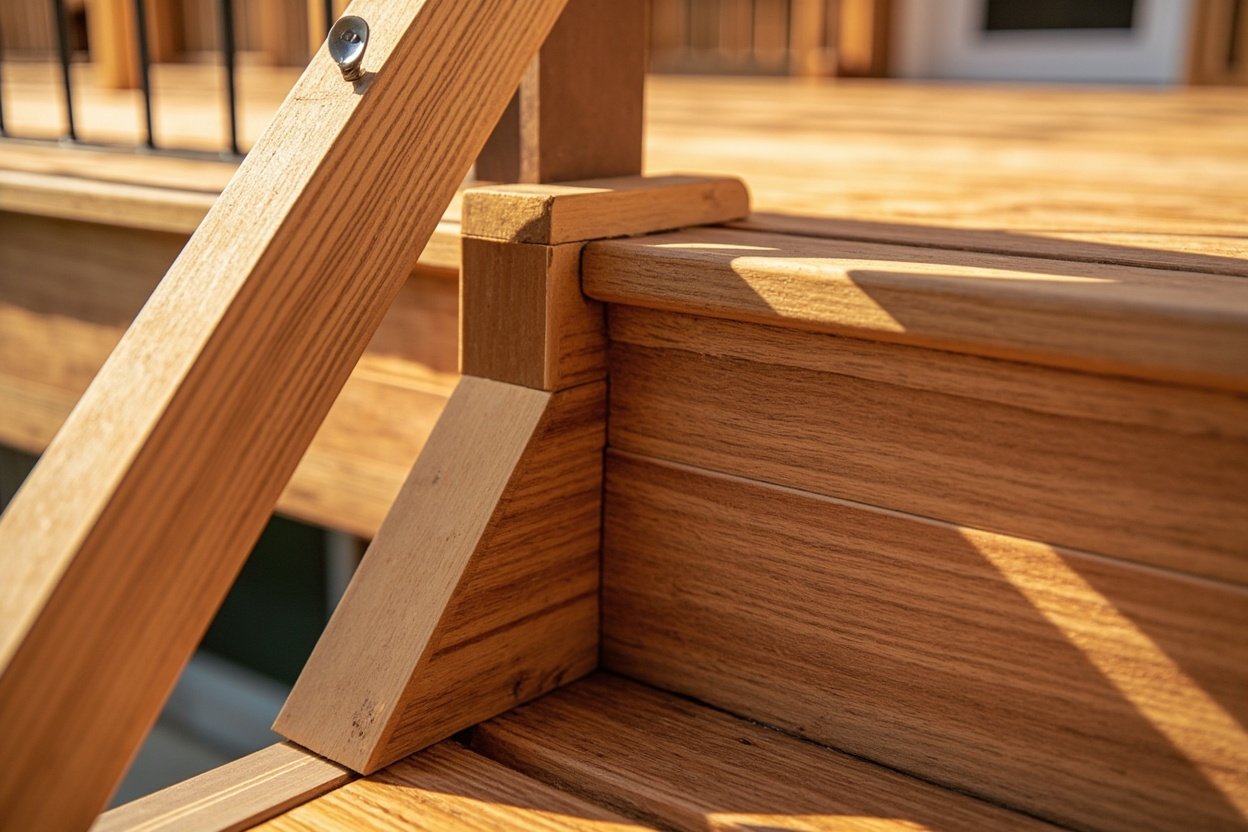
- Stair stringers: The diagonal supports that hold your deck stairs together.
During deck repairs, we assess all these components. Sometimes visible damage hides deeper structural issues that only emerge during thorough inspection.
Railing Safety and Code Compliance
Railings serve both safety and aesthetic purposes. Massachusetts building codes specify minimum railing heights, baluster spacing, and load requirements that protect your family and guests.
In communities like Lexington, Needham, and Weston, local building departments enforce these codes strictly. Improper railings can create liability issues if accidents occur. Professional deck repair ensures your railings meet current standards while complementing your home’s appearance.
Modern railing options include aluminum, vinyl, composite, and traditional wood. Each offers different aesthetics and maintenance requirements. We help homeowners select options that balance safety, style, and budget.
Permits and Regulations in Greater Boston
Most deck repair projects in our service area require permits from local building departments. Requirements vary by town—Newton, Wellesley, and Brookline each have their own permitting processes and inspection schedules.
Generally, permits are needed when repairs involve structural changes, additions, or work that affects how the deck connects to your home. Cosmetic repairs like replacing surface boards typically don’t require permits, but we always verify requirements before starting any project.
Working with a local contractor familiar with Greater Boston regulations streamlines the permit process and ensures your repairs pass inspection.
Maintenance Planning for Boston Decks
Preventive maintenance extends your deck’s lifespan significantly. After professional repairs, regular care keeps your deck safe and attractive for years ahead.
Essential maintenance tasks include cleaning debris from between boards, checking and tightening hardware annually, and resealing wood surfaces every few years. Composite decking requires less maintenance but still benefits from periodic cleaning.
Fall preparation matters particularly in our climate. Clearing snow promptly, ensuring proper drainage, and checking for damage before winter all protect your investment through the harshest months.
When to Repair Versus Rebuild
Not every deck problem requires full reconstruction. Minor issues like replacing damaged boards, reinforcing loose stairs, or upgrading outdated railings often solve the problem economically. However, extensive rot, multiple structural failures, or decks approaching 20-30 years old may benefit from rebuilds.
During our free onsite estimates, we honestly assess whether repair or rebuild makes better sense for your situation. Some decks that appear problematic actually need only targeted repairs, while others reveal hidden damage that makes reconstruction the smarter long-term choice.
Ready to discuss your project? Visit our deck and porch services page or call (857) 837-2100 to schedule a free onsite estimate.
Advanced Deck & Porch is a brand owned and operated by Sun Shore Construction. All estimates, contracts, and construction services are provided by Sun Shore Construction.