
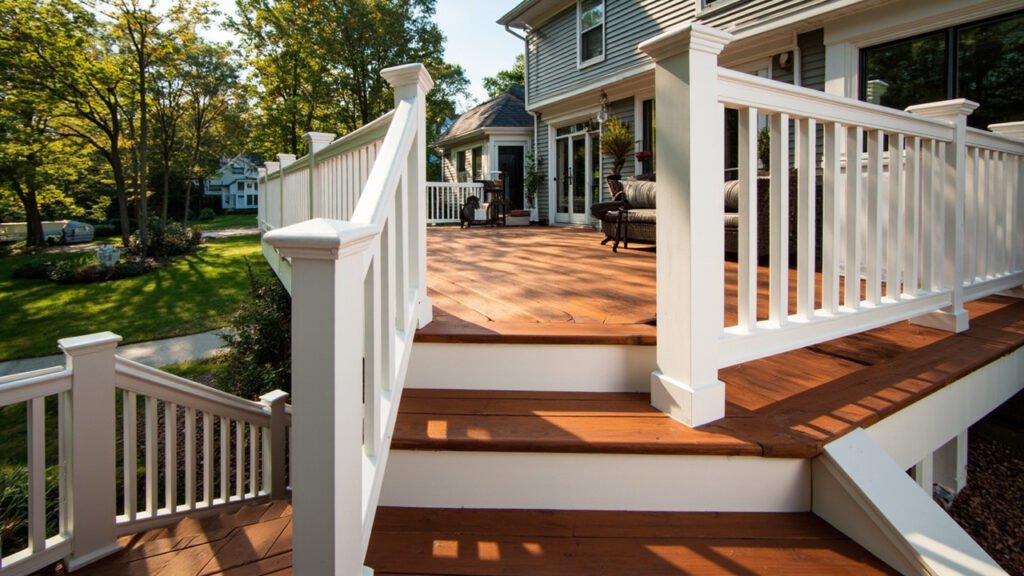
If your deck is showing its age, you are not alone. Many homeowners in Boston, Newton, Brookline, and surrounding communities are facing the same decision: repair what you have or replace it entirely. Deck replacement is a significant project, but with the right information, you can approach it with confidence. This guide walks you through the key considerations for deck replacement in Greater Boston and the MetroWest region.
Why Deck Replacement Makes Sense in Our Climate
The Boston area experiences harsh winters, humid summers, and significant freeze-thaw cycles throughout the year. This weather exposure takes a real toll on deck structures over time. Wood that was solid ten years ago may now be showing signs of rot, warping, or structural weakness. If your deck feels bouncy underfoot, has loose railings, or shows visible damage to the posts and joists, patching it up may only delay the inevitable.
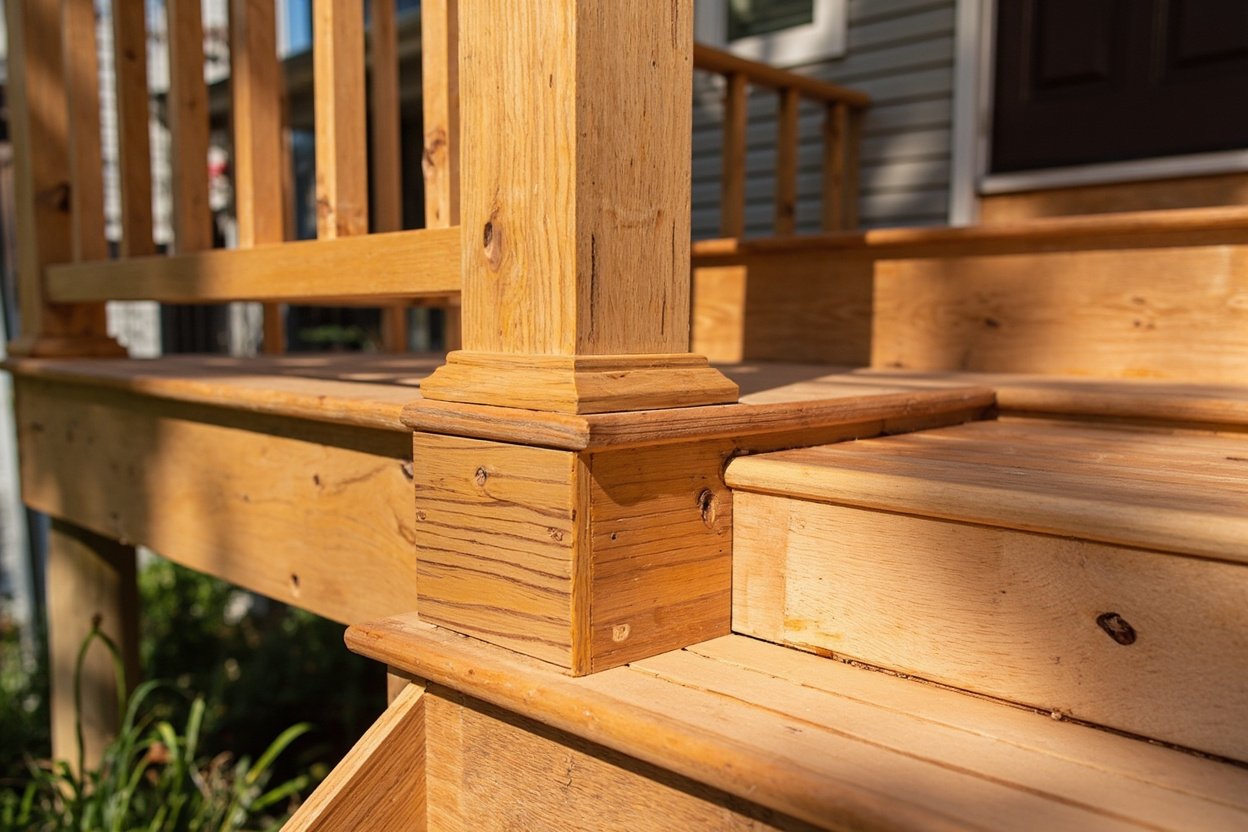
Replacing a worn deck now prevents more costly problems down the road. A sagging structure or unstable railings are not just cosmetic issues; they are safety concerns for your family and anyone who visits your home.
Understanding Structural Framing Requirements
One of the most important parts of any deck replacement is the structural framing. In our area, frost depths and soil conditions vary, which means footings must be set at proper depths to remain stable year after year. Local building codes in cities like Newton, Wellesley, and Lexington require specific footing sizes and spacing based on the deck size and load requirements.
Proper structural framing includes correctly sized beams, joists spaced at appropriate intervals, and secure connections at all critical points. This foundation work is what keeps your deck flat, stable, and safe for decades. When we rebuild decks in communities like Westwood, Needham, and Natick, we always ensure the framing meets or exceeds current code requirements for our specific region.
Choosing the Right Deck Materials
Material selection plays a huge role in how your deck looks and performs over time. Here are the main options available for homeowners in the Boston area:
- Pressure-treated lumber remains a popular choice because it resists rot and insects. It requires regular maintenance including cleaning and resealing to keep it looking its best.
- Composite decking has become increasingly popular in communities like Weston, Bedford, and Burlington. It resists fading, staining, and moisture damage without the need for annual sealing. Many homeowners appreciate that composite boards never need sanding or staining.
- Cedar and other hardwoods offer natural beauty but require ongoing maintenance to prevent weathering in our climate.
For many of our clients in the Greater Boston area, composite decking has become the preferred choice because it handles our weather exposure so well and requires minimal upkeep over the years.
Stairs, Railings, and Safety Considerations
Safe stairs and secure railings are essential on any deck, and building codes have specific requirements that must be followed. Stairs must have consistent rise heights and adequate tread depth. Handrails need to be at the correct height and graspable.
In Boston and surrounding communities, inspectors pay close attention to railing safety. This includes proper post spacing, secure attachments, and appropriate baluster spacing to prevent climbing hazards. Our deck replacements include properly built stairs and code-compliant railings as standard practice.
Planning and Permits for Your Deck Project
Most municipalities in our service area require permits for deck replacement projects. Communities like Quincy, Braintree, and Weymouth have specific zoning requirements regarding setbacks, height limits, and proximity to property lines. Your contractor should be familiar with local requirements and handle the permit process as part of your project.
When planning your deck replacement, consider the time of year. Spring and early summer are popular times to start projects in the Boston area, so scheduling early helps ensure you can get on the calendar. The actual construction time depends on the scope of your project, but most straightforward deck replacements move efficiently once work begins.
Maintenance Planning for Your New Deck
Once your new deck is complete, a simple maintenance routine helps protect your investment for years to come. Depending on the material you choose, this might include periodic cleaning, inspection of connections, and clearing snow from the surface during winter months.
If you chose composite decking, maintenance is straightforward. Regular sweeping and occasional washing with mild soap and water keeps the surface looking fresh. For wood decks, plan for annual cleaning and resealing to maintain appearance and protection.
Regardless of material, inspecting your deck each spring helps catch any minor issues before they become bigger problems. Checking that fasteners remain tight and that the structure shows no signs of movement keeps your deck safe and stable.
Ready to discuss your project? Visit our deck and porch services page or call (857) 837-2100 to schedule a free onsite estimate.
Advanced Deck & Porch is a brand owned and operated by Sun Shore Construction. All estimates, contracts, and construction services are provided by Sun Shore Construction.