
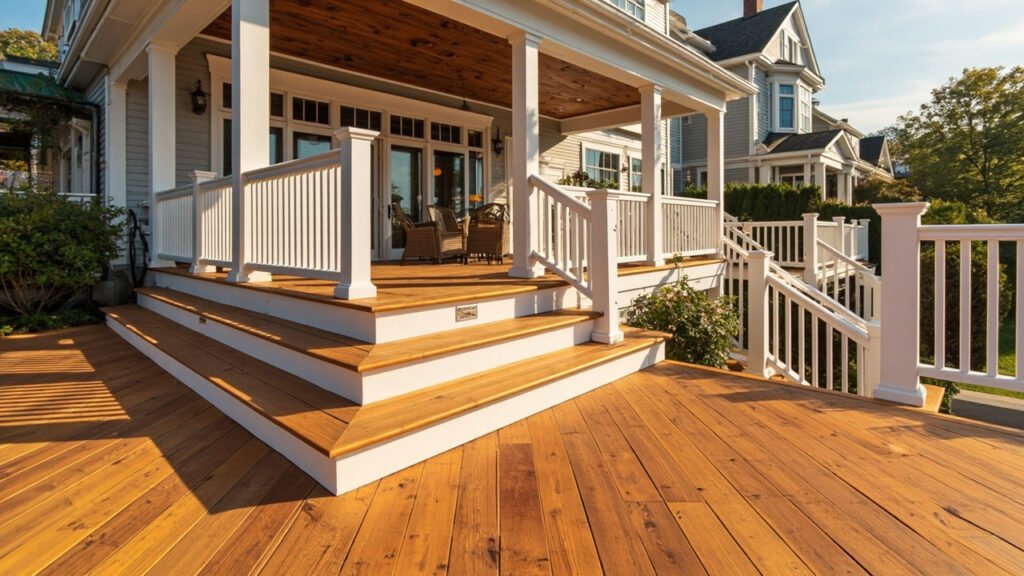
Adding or replacing deck stairs is one of those home improvement projects that seems straightforward until you start thinking through the details. In the Boston area, where seasonal weather patterns put serious stress on outdoor structures, getting your deck stairs right matters more than you might expect. Whether you are building a new deck in Newton or replacing worn stairs on a Brookline home, understanding the basics helps you make informed decisions about materials, design, and construction standards.
Why Deck Stairs Matter for Boston Homeowners
Your deck stairs are often the first thing people notice when they approach your home, but their importance goes far beyond appearances. Poorly constructed stairs become a safety hazard, especially during Boston winters when ice and snow create slippery conditions. Beyond safety, well-built deck stairs add value to your property and improve the overall functionality of your outdoor living space.
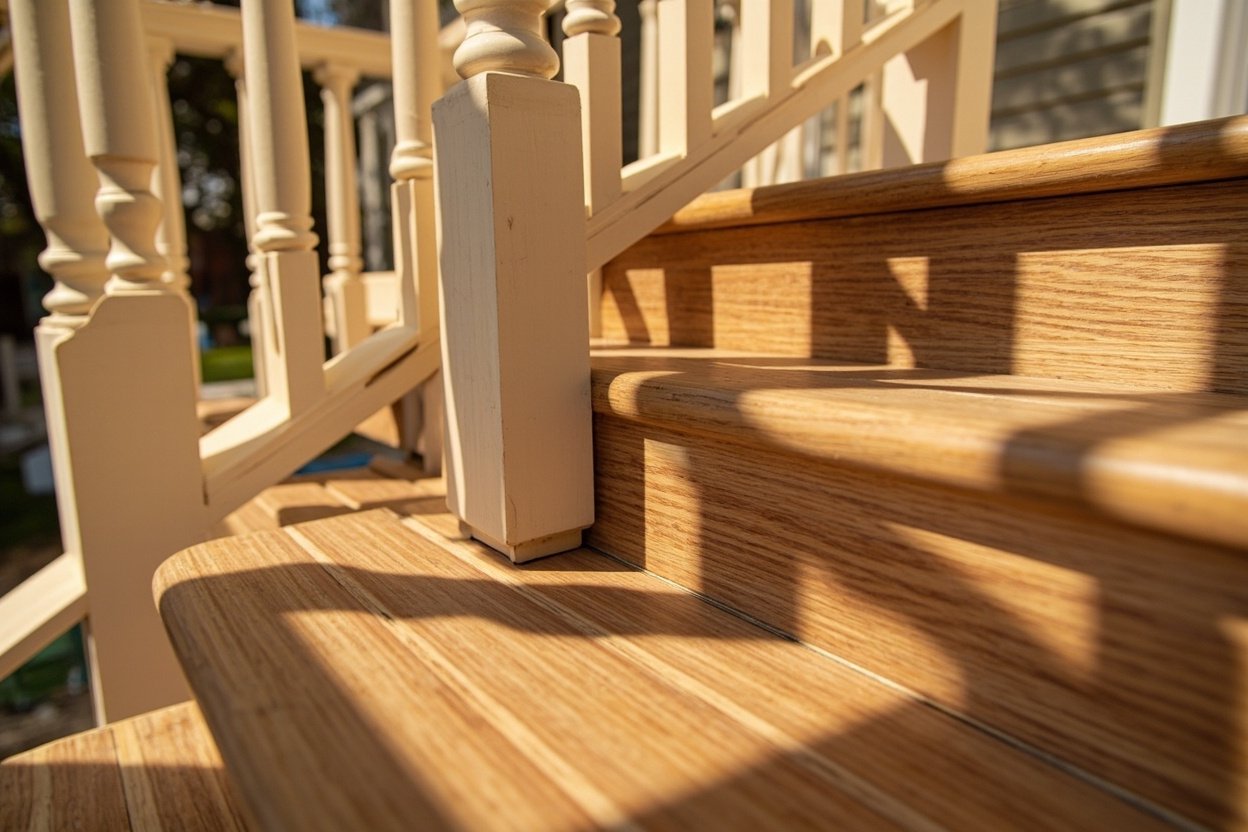
Boston’s climate presents unique challenges for outdoor structures. The freeze-thaw cycles that characterize New England winters put tremendous stress on materials. Water seeps into cracks, freezes, expands, and creates damage over time. This is why proper structural framing and material selection make such a difference in how your deck stairs perform over years of service.
Planning Your Deck Stairs: Key Considerations
Before construction begins, several factors need careful attention. The location of your stairs affects both convenience and longevity. Stairs positioned to face south typically receive more sunlight, which helps dry surfaces faster after rain or snow. This exposure reduces moisture-related problems and extends the life of your stairs.
Local building codes in Greater Boston communities including Wellesley, Weston, Lexington, and Natick specify requirements for stair dimensions. These typically include minimum tread depth, maximum riser height, and handrail specifications. While requirements vary slightly by municipality, standard practice calls for risers between seven and eight inches and treads at least ten inches deep. Understanding these requirements early prevents costly revisions during construction.
Permits are another important consideration. Many communities in the MetroWest area require permits for deck construction that includes stairs. The permit process ensures your project meets safety standards and follows local zoning regulations. Working with an experienced contractor familiar with Boston-area requirements simplifies this process considerably.
Material Choices for Boston Weather
Selecting the right deck materials directly impacts how well your stairs withstand seasonal weather exposure. Traditional pressure-treated lumber remains popular due to its affordability and durability when properly maintained. However, many Boston homeowners are choosing composite decking for stairs because it resists moisture, rot, and insect damage without the maintenance demands of wood.
Composite materials perform exceptionally well in New England conditions. Unlike wood, composite decking does not splinter, crack, or warp as temperatures fluctuate. This stability means your stairs remain safe and comfortable underfoot through years of freeze-thaw cycles. While the upfront cost runs higher than pressure-treated lumber, the reduced maintenance needs and longer lifespan often make composite an economical choice over time.
For those preferring natural wood, cedar and redwood offer better resistance to decay than standard pressure-treated lumber. These species contain natural oils that repel insects and resist rot. However, even these durable woods benefit from regular sealing to maximize their lifespan in Boston’s demanding climate.
Railing Safety and Structural Framing
Railing safety deserves special attention in Boston, where winter conditions create additional hazards. Building codes consistently require railings on stairs with more than a few steps, but the requirements go beyond simple compliance. Railings must withstand significant force since they serve as primary fall protection.
Structural framing forms the backbone of safe, durable deck stairs. The stringers—the diagonal supports that hold the treads—must be properly sized and adequately attached to the deck frame. Many older decks in Quincy, Braintree, and Weymouth have stairs that were added as afterthoughts with inadequate framing. When replacing or building new stairs, ensuring solid connection to the deck structure prevents movement and potential failure.
Strong posts and secure attachments matter throughout the railing system. In areas experiencing heavy snow loads like Wayland and Acton, additional reinforcement may be advisable to handle the extra weight. Quality contractors account for these regional considerations when designing and building railings.
The Construction Process
Professional deck stair construction follows a logical sequence that ensures quality results. The process typically begins with careful measurement and layout, accounting for the exact height between the deck surface and ground level. This calculation determines both the number of risers needed and the angle of the stairs.
Once the layout is established, the structural framing takes shape. Quality contractors use appropriate hardware—galvanized or stainless steel connectors and fasteners—to resist corrosion from Boston’s moisture and road salt exposure. The framing must be level and properly supported, whether resting on concrete footings or attached to the deck structure.
Railing installation follows, with posts securely anchored and all connections meeting code requirements. The final steps include installing treads, applying any necessary finishes, and ensuring all surfaces are properly secured. Throughout the process, experienced builders check measurements multiple times to maintain accuracy.
Making the Right Choice for Your Home
Whether you need new deck stairs in Milton, repairs to existing stairs in Canton, or are planning a complete deck rebuild in Norwood, taking time to understand your options leads to better outcomes. Consider how you use your outdoor space, what level of maintenance you prefer, and how different materials will age in your specific location.
The Boston area offers diverse housing styles, from historic Brookline colonials to newer developments throughout the MetroWest region. Your stairs should complement your home’s character while providing safe, reliable access to your deck for years to come.
Ready to discuss your project? Visit our deck and porch services page or call (857) 837-2100 to schedule a free onsite estimate.
Advanced Deck & Porch is a brand owned and operated by Sun Shore Construction. All estimates, contracts, and construction services are provided by Sun Shore Construction.