
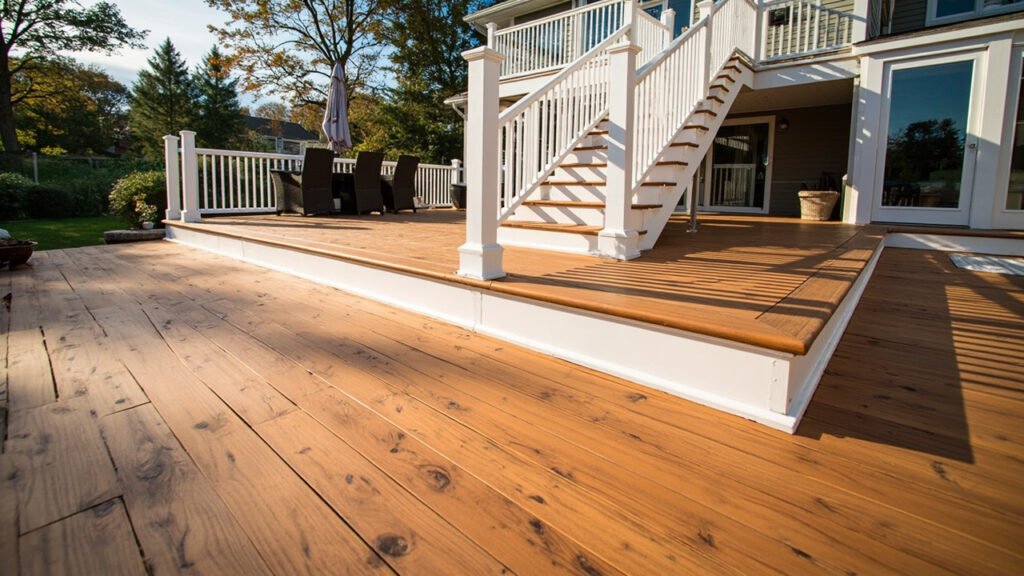
Building a deck in the Boston area is a smart investment that expands your living space and adds lasting value to your home. However, New England weather, local building codes, and the unique characteristics of Greater Boston properties all play a role in how your project should be planned. Whether you are considering a brand-new deck, a complete deck rebuild, or repairs to your existing structure, understanding the local factors that affect construction makes the process smoother from start to finish.
Why Boston-Area Weather Matters for Your Deck
The New England climate brings hot, humid summers and cold, snowy winters to the Greater Boston and MetroWest region. This seasonal weather exposure is one of the most important considerations when planning any outdoor structure. Moisture from snowmelt and rain, combined with freeze-thaw cycles, can take a real toll on deck materials that are not chosen or installed properly.
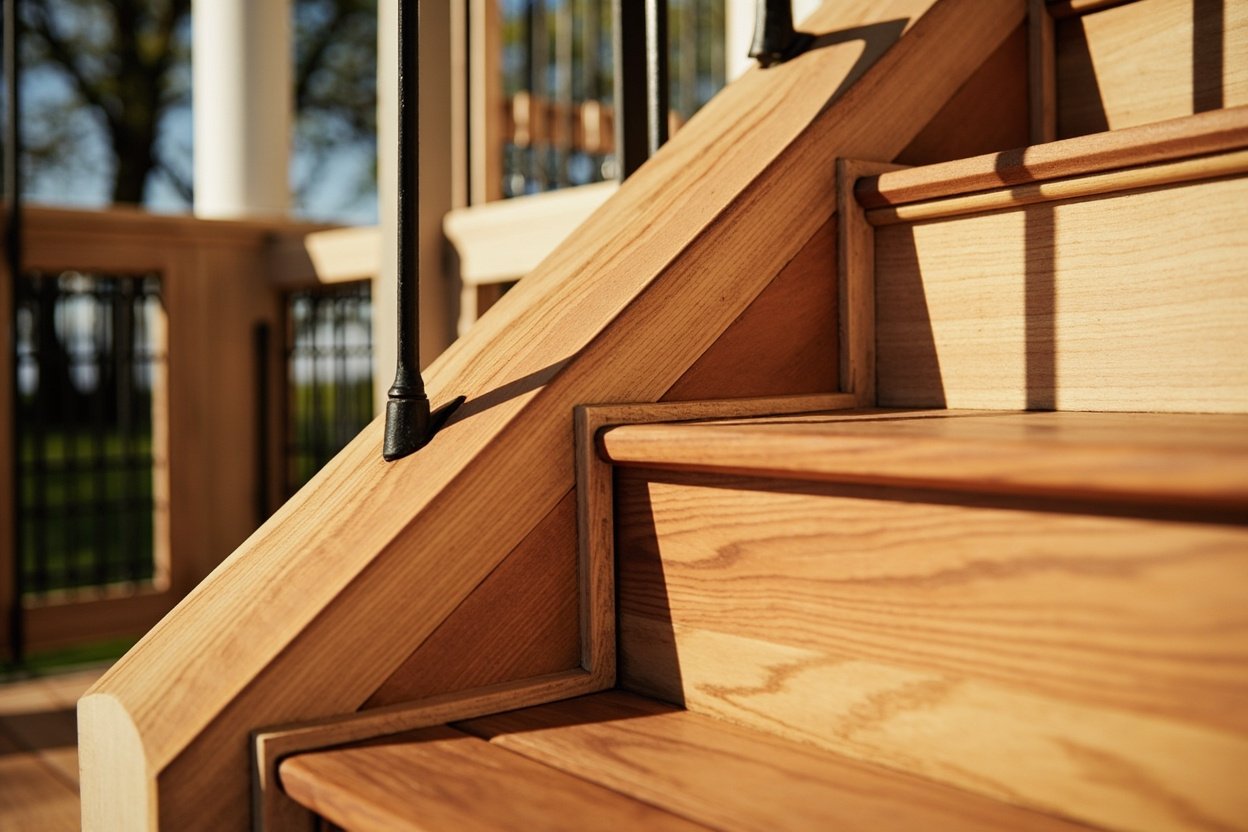
Proper structural framing is essential in this climate. The support system beneath your deck must be built to handle seasonal movement in the soil and the weight of snow loads. That is why thoughtful planning around footings, posts, and joists matters just as much as the surface materials you select.
Choosing the Right Deck Materials for New England
When it comes to deck materials, homeowners in the Boston area have several solid options. Each has its own benefits depending on your budget, aesthetic preferences, and how much maintenance you want to take on over the years.
- Pressure-treated lumber remains a popular choice for structural components because it resists rot and insect damage. It holds up well against New England moisture when properly sealed and maintained.
- Composite decking has become increasingly popular among Boston homeowners. It resists fading, staining, and moisture damage without the need for annual sealing. Many composite options now mimic the look of natural wood while reducing long-term maintenance demands.
- Cedar and redwood offer natural beauty but require more regular upkeep in our climate to prevent splitting, warping, and discoloration from sun and snow exposure.
- Hardwood options like ipe provide durability and a distinctive appearance, though they come with a higher price tag and may require professional installation for the best results.
For Boston-area decks, Composite decking is often a smart choice because it handles moisture and temperature swings well, and it stays looking good through multiple seasons without extensive care routines.
Permits and Regulations in Greater Boston
Before breaking ground on a new deck or major rebuild in the Greater Boston area, you will need to check local permit requirements. Many municipalities in the region, including Boston proper and towns like Newton, Brookline, Wellesley, and Quincy, require building permits for decks that exceed certain height or square footage thresholds.
Permit applications typically require detailed plans showing structural framing, footings, stairs, and railing specifications. This is one reason why working with an experienced deck builder Boston MA homeowners trust matters. A knowledgeable contractor understands what documentation is needed and can help navigate the approval process in your specific town.
Setback requirements and height restrictions vary from one community to the next, so whether your property is in Lexington, Natick, or Westwood, it is worth confirming local rules before finalizing your design.
Stairs, Railings, and Safety Standards
Deck stairs and railings are not just design features—they are critical safety elements that must meet code requirements in Massachusetts. Steps that are too steep or uneven create tripping hazards, and railings must meet height and baluster spacing standards to protect children, pets, and guests.
For homeowners in communities like Wayland, Bedford, and Burlington, where properties may sit on sloped terrain, proper stair design becomes especially important. The number of risers, the tread depth, and the handrail placement all affect both safety and usability.
Railing options range from traditional wood to aluminum to cable rail systems. Each offers a different look and feel. Choosing the right railing for your deck ties together the overall aesthetic while ensuring compliance with local codes.
Maintenance Planning for Long-Term Performance
A deck in the Boston area benefits from regular maintenance to extend its lifespan and keep it looking its best. Seasonal planning can help you stay ahead of wear and tear caused by winter snow, spring rains, and summer sun.
Simple maintenance tasks include sweeping debris off the surface, clearing gutters and drainage areas, and checking for loose boards or fasteners throughout the year. For wood decks, applying a fresh coat of sealant before winter helps protect against moisture infiltration. Composite decking generally needs only occasional washing to maintain its appearance.
Inspecting the structural framing annually is also a good practice, especially after a harsh winter. Catching minor issues early through routine deck repairs can prevent more costly problems down the road.
Ready to discuss your project? Visit our deck and porch services page or call (857) 837-2100 to schedule a free onsite estimate.
Advanced Deck & Porch is a brand owned and operated by Sun Shore Construction. All estimates, contracts, and construction services are provided by Sun Shore Construction.