
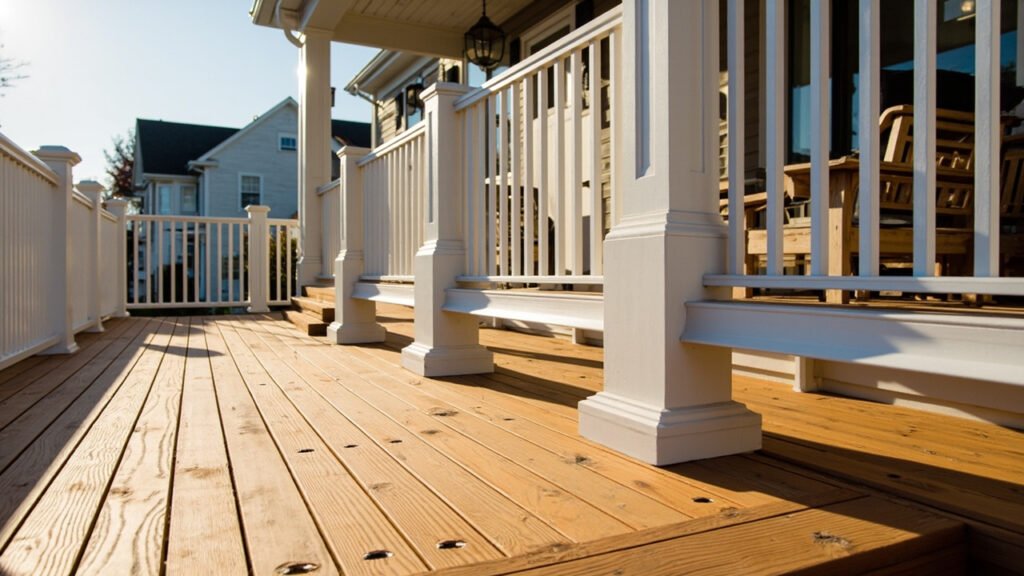
When your existing deck has seen better days, a thoughtful rebuild can transform your outdoor living space into something you will enjoy for years to come. For homeowners in the Boston area, where seasonal weather and local building codes shape every project, proper planning makes all the difference between a deck that lasts and one that creates headaches down the road.
Why Deck Rebuilds Make Sense in Greater Boston
Decks in Massachusetts endure significant stress from our climate. Cold, snowy winters followed by humid summers create freeze-thaw cycles that accelerate wear on structural components. If your current deck shows widespread rot, unstable framing, or safety concerns with railings and stairs, a full rebuild often makes more sense than piecemeal repairs.
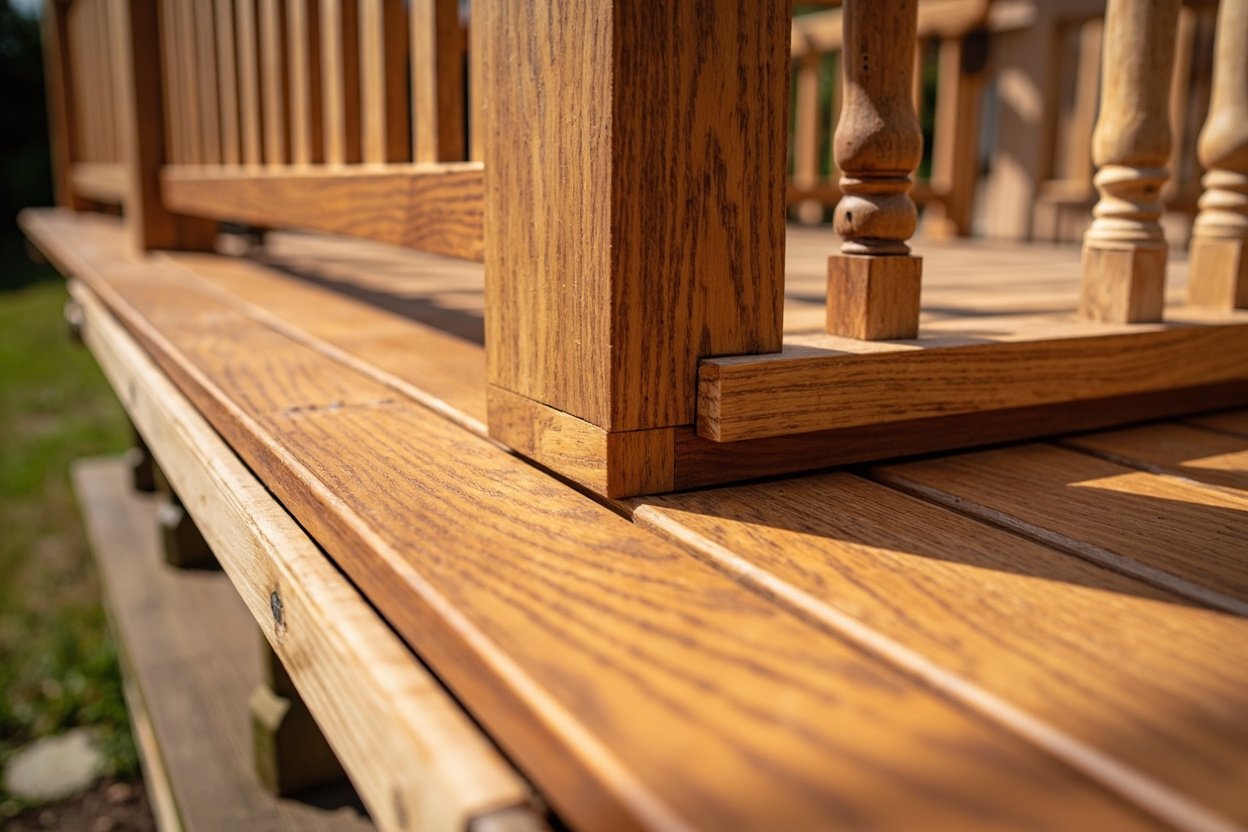
A deck rebuild involves removing the existing structure and constructing new framing and decking from the ground up. This approach lets you address underlying structural issues, update the design to better suit your needs, and ensure everything meets current building codes. Many older decks were built to previous standards that may not reflect modern safety requirements or material advancements.
Structural Framing: The Foundation of a Lasting Deck
The hidden framework beneath your deck boards determines how well the entire structure holds up over time. Proper structural framing starts with appropriately sized beams and joists, connected with corrosion-resistant hardware rated for exterior use. In the Boston area, footings must extend below the frost line to prevent movement during winter freeze-thaw cycles.
When we rebuild decks in communities like Newton, Brookline, or Wellesley, we commonly find that older structures relied on posts set directly in concrete without adequate drainage. Modern best practices call for concrete footings with anchor brackets that keep wooden posts dry and prevent premature rot. This attention to the underlying structure is what separates a deck built to last from one that will need attention within a few years.
Choosing the Right Deck Materials
Modern homeowners have more options than ever when selecting deck materials. Traditional pressure-treated lumber remains popular for its affordability and familiarity. However, composite decking has become increasingly common across Greater Boston for good reason. Composite boards resist moisture absorption, which means less swelling, splitting, and decay over time. For busy homeowners who prefer to spend weekends enjoying their decks rather than maintaining them, composite materials offer compelling advantages.
Premium composite decking comes in a wide range of colors and textures that mimic natural wood grain without requiring annual staining or sealing. Many products now include fade-resistant technology backed by multi-decade warranties. When evaluating materials, consider your willingness to perform ongoing maintenance alongside upfront costs and expected lifespan.
Railings and Stairs: Safety Comes First
Railing safety is not an area for compromise. Current building codes in Massachusetts require railings at specific heights depending on the deck elevation, with baluster spacing that prevents climbing hazards for children. We typically recommend aluminum or composite railings for Boston decks because they resist corrosion from road salt and require minimal upkeep.
Deck stairs deserve equal attention. Each step must maintain consistent rise and run dimensions for safe navigation. Landing areas at the top and bottom of stairs must meet minimum size requirements. When rebuilding stairs that connect to sloped yards common in communities like Weston and Lexington, proper grading and drainage planning become especially important to prevent water from pooling near the foundation.
Navigating Permits and Local Requirements
Most deck construction projects in the Boston area require building permits from your local municipality. Requirements vary between cities and towns, so working with a contractor familiar with Greater Boston communities streamlines the process considerably. Permit applications typically require detailed plans showing structural specifications, footing locations, and compliance with setback requirements.
In historic neighborhoods or areas with homeowner association restrictions, additional review may apply. Advance planning helps avoid surprises that could delay your project. A reputable contractor will guide you through these requirements and handle much of the paperwork on your behalf.
Working with a Local Deck Contractor
Choosing the right contractor for your deck rebuild involves more than comparing prices. Look for established companies with demonstrated experience in your specific area. Ask about their approach to structural framing, material recommendations for your site conditions, and how they handle unexpected issues during construction.
Review past projects and ask for references from homeowners in similar communities. Clear communication about project timelines, site preparation, and cleanup expectations prevents misunderstandings once work begins. Professional contractors welcome questions and take time to explain their processes.
Ready to discuss your project? Visit our deck and porch services page or call (857) 837-2100 to schedule a free onsite estimate.
A deck rebuild is an investment in your home and your family’s outdoor enjoyment. By understanding the key considerations from structural framing through final materials, you can approach the process with confidence. Whether your current deck serves a small back porch in Braintree or a spacious rear deck in Wellesley, thoughtful planning and quality construction will deliver results you can count on for years ahead.
Advanced Deck & Porch is a brand owned and operated by Sun Shore Construction. All estimates, contracts, and construction services are provided by Sun Shore Construction.