
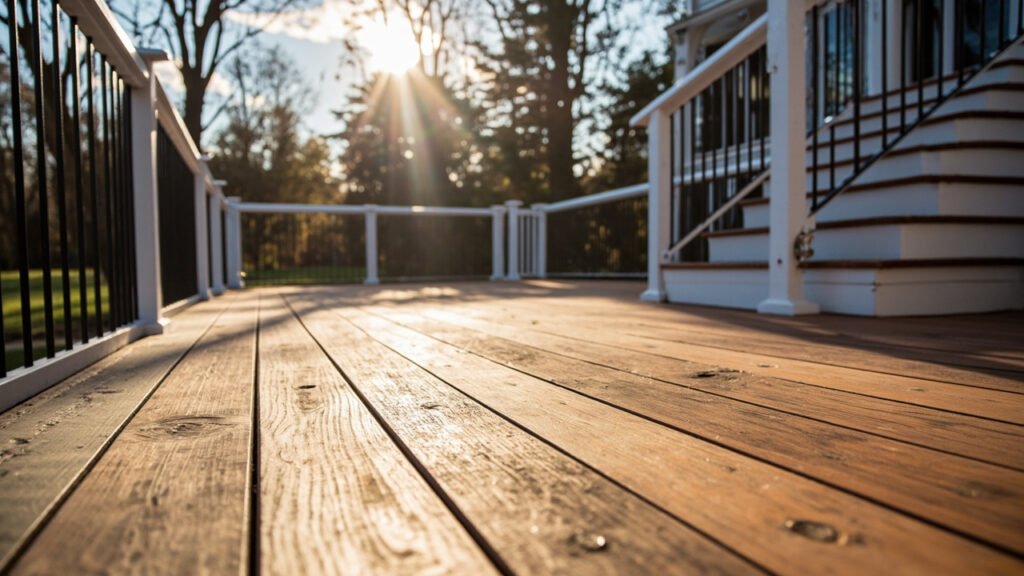
If you’re researching composite deck installer Boston, this guide covers key considerations for Greater Boston homeowners planning a deck or porch project.
“html”: “
When it comes to adding outdoor living space to your Boston-area home, the deck materials you choose matter more than most homeowners realize. Massachusetts weather exposes decks to freeze-thaw cycles, humidity fluctuations, and seasonal temperature swings that can quickly degrade inferior materials. If you have been researching composite deck installers in Boston, you may have noticed this option is becoming increasingly popular among homeowners in Newton, Brookline, Wellesley, and surrounding communities.
Understanding Composite Decking Materials
Composite decking represents a significant advancement over traditional wood options. Made from a combination of recycled wood fibers and plastic, composite boards resist rot, warping, and insect damage far better than pressure-treated lumber. For Boston homeowners dealing with older decks that have succumbed to moisture damage or wood rot, this durability factor alone makes composite an attractive choice.
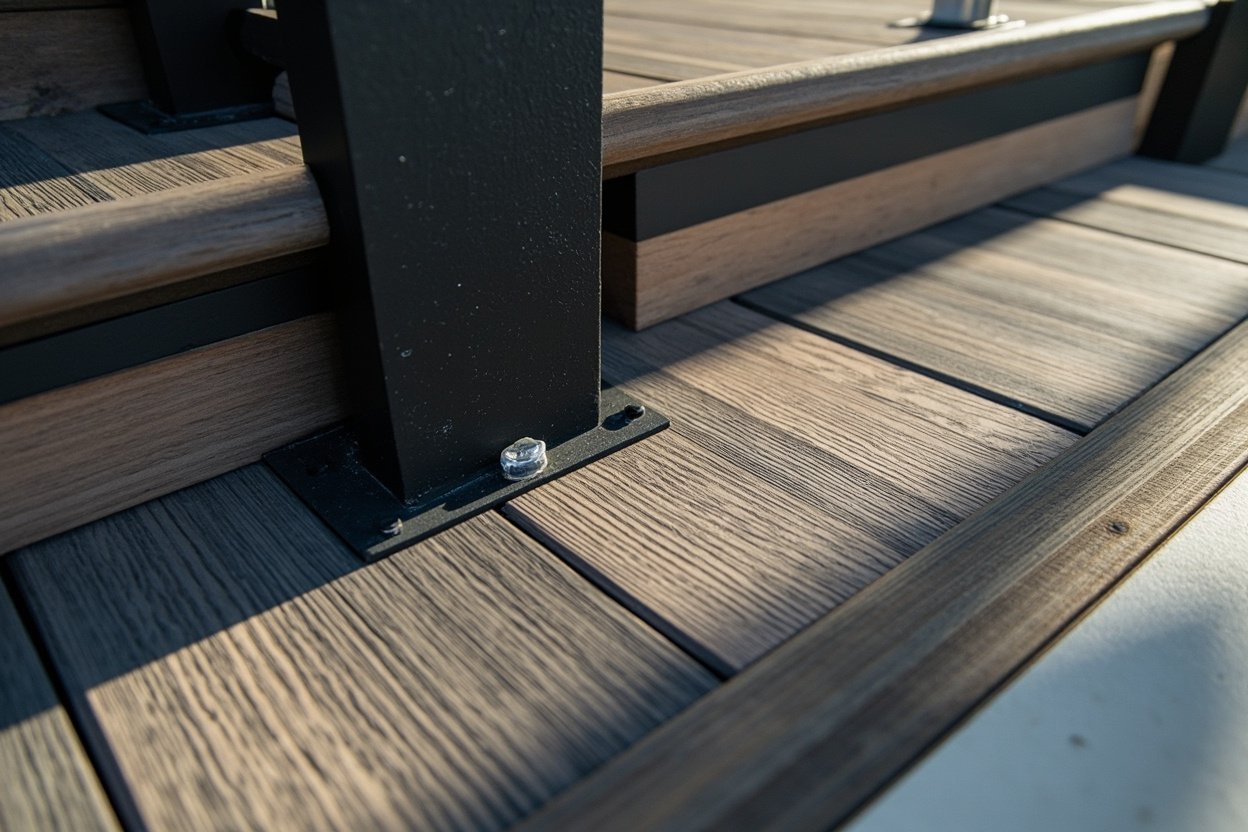
Beyond longevity, composite decking requires substantially less maintenance. While wooden decks need annual staining, sealing, and regular inspections for loose boards or nails, composite decks simply require periodic cleaning with soap and water. This appeals particularly to busy homeowners in communities like Wayland, Weston, and Lexington who prefer spending weekends enjoying their outdoor spaces rather than maintaining them.
Boston Weather Considerations for Deck Projects
The Greater Boston climate presents unique challenges for deck construction that experienced local contractors understand intimately. Snow load calculations, proper drainage planning, and material selection for freeze-thaw resistance all factor into building a deck that will last for decades. When selecting composite decking for your project, you gain the advantage of materials engineered specifically to handle these environmental stresses.
Structural framing must account for moisture exposure and temperature-related movement. Your deck installer should use proper flashing techniques where the deck meets your home, ensure adequate ventilation beneath the structure, and select hardware rated for exterior use in northern climates. These details matter enormously when your deck must survive decades of New England weather.
Permits and Planning in Boston Area Communities
Deck construction in the Boston metro area typically requires permits, and regulations vary somewhat between communities. Whether you are in Quincy, Braintree, or Milton, understanding local requirements before beginning your project prevents costly delays. Most municipalities require setbacks from property lines, specific load calculations, and inspections at various construction stages.
Your composite deck installer should be familiar with permit requirements throughout the region, from Lexington and Bedford to Natick and Billerica. They should handle permit applications, coordinate required inspections, and ensure your deck meets all applicable codes. This local knowledge proves invaluable when navigating the sometimes complex approval process.
Prioritizing Safety: Railing and Stair Requirements
Railing safety receives considerable attention in building codes for good reason. Decks elevated above ground level require secure railings capable of withstanding significant force. When planning your composite deck installation, discuss railing options with your contractor early in the process. Composite railing systems coordinate aesthetically with composite decking while meeting code requirements for height, spacing, and strength.
Deck stairs present similar safety considerations. Proper step dimensions, handrail placement, and stable footings all contribute to a safe staircase. Your installer should construct stairs with consistent riser heights, adequate tread depth, and secure attachment to the deck framing. Attention to these details distinguishes professional deck builders from those cutting corners on safety features.
Structural Framing: The Foundation of a Lasting Deck
No amount of beautiful composite decking can compensate for inferior structural framing. The framework supporting your deck must handle dynamic loads from foot traffic, furniture, and weather events while remaining stable over decades. Professional installers use pressure-treated lumber or composite framing materials for posts, beams, and joists, selecting appropriate sizes based on your deck’s dimensions and anticipated loads.
Proper flashing around ledger boards prevents moisture damage where your deck attaches to your home. Adequate footer depth protects against frost heave in our freeze-heavy winters. These technical details may seem unglamorous, but they determine whether your deck remains safe and structurally sound for years to come.
Maintenance Planning for Your New Deck
While composite decking dramatically reduces maintenance compared to wood, some care extends its lifespan even further. Keeping the surface clean of debris prevents mold growth in shaded areas. Checking annually for any loose fasteners or boards allows you to address minor issues before they become significant problems. Understanding your deck’s maintenance needs helps you plan appropriately for the years ahead.
Seasonal inspections prove particularly valuable after winter. Boston winters subject decks to considerable stress from snow accumulation and repeated freeze-thaw cycles. Examining your deck in spring lets you identify any damage requiring attention before the outdoor living season begins.
Making Your Decision
Choosing a composite deck installer in Boston involves more than comparing prices. Consider their experience with local weather challenges, familiarity with permit requirements across different communities, and commitment to proper structural engineering. The lowest bid rarely represents the best value when shortcuts on materials or construction practices lead to premature failures.
Look for installers who explain their framing approach, discuss weather considerations specific to your location, and answer questions about railing safety and stair construction. Quality contractors welcome informed homeowners and appreciate clients who understand what goes into building a lasting deck.
Advanced Deck & Porch brings years of experience helping Greater Boston homeowners select appropriate materials and construct durable outdoor spaces. Whether you need a complete deck rebuild in Wellesley, repairs to an existing structure in Westwood, or a new front porch in Canton, our team understands what makes decks last in New England conditions.
Ready to discuss your project? Visit our deck and porch services page or call (857) 837-2100 to schedule a free onsite estimate.
Advanced Deck & Porch is a brand owned and operated by Sun Shore Construction. All estimates, contracts, and construction services are provided by Sun Shore Construction.
”
}