
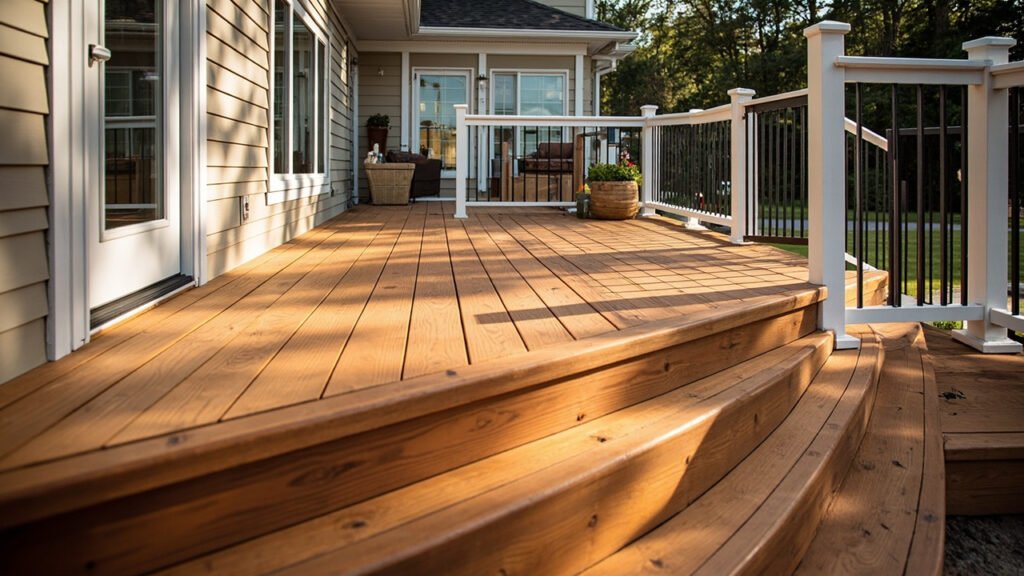
When your deck shows signs of wear after years of New England seasons, deciding whether to repair or replace it can feel overwhelming. For homeowners in Boston, Greater Boston, and MetroWest, deck replacement involves unique considerations that go beyond simple aesthetics. Understanding the process, materials, and local requirements helps you make confident decisions about your outdoor space.
Assessing When Deck Replacement Makes Sense
Not every aging deck needs a full replacement, but certain signs indicate when rebuilding is the smarter choice. If you notice widespread rot in multiple boards, unstable railings that wobble when touched, or framing that shows moisture damage, patching individual problems often costs more than starting fresh. Decks older than fifteen to twenty years may also lack modern structural standards that current building codes require. A professional assessment can determine whether targeted repairs will extend your deck’s life or whether deck replacement offers better long-term value for your home.
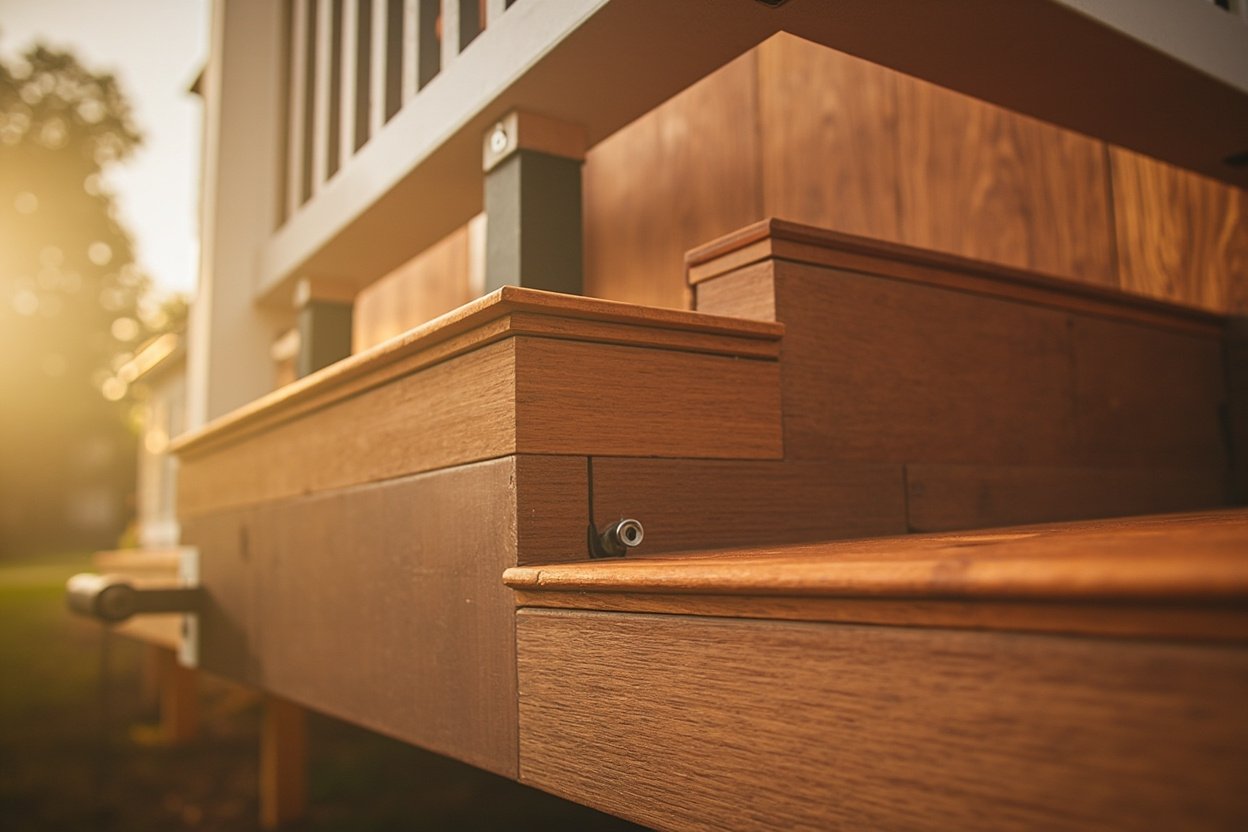
Boston Weather and Its Impact on Deck Materials
Massachusetts weather creates specific challenges for outdoor structures. Freeze-thaw cycles during winter, humid summers, and occasional heavy rainstorms test deck materials thoroughly. This weather exposure means that material choices matter significantly when planning deck replacement in the Boston area. Traditional wood decks require regular sealing and maintenance to prevent splitting and rot, while Composite decking offers homeowners a lower-maintenance alternative that resists moisture damage well. Many Greater Boston homeowners are choosing Composite decking specifically because it handles New England climate fluctuations without the annual upkeep that natural wood demands.
The Critical Role of Structural Framing
Beneath the surface of any well-built deck lies the structural framing that keeps everything secure. Proper structural framing starts with pressure-treated lumber rated for ground contact and continues with appropriate beam sizing, joist spacing, and ledger board attachment to your home. In older Newton or Brookline homes especially, existing deck structures may have been built to older standards that no longer meet current codes. During deck replacement, we assess the entire support system and rebuild it correctly, ensuring your new deck can handle snow loads, furniture weight, and years of family gatherings without structural concerns.
Stairs and Railing Safety Requirements
Safe stairs and secure railings protect everyone who uses your deck, and Massachusetts building codes specify exact requirements for these elements. Stairs must meet specific rise and run dimensions, typically with a maximum rise of seven and three-quarter inches per step and a minimum tread depth of ten inches. Handrails need to be graspable and installed at the correct height, generally between thirty-four and thirty-eight inches above the stair nosing. For deck railings, balusters cannot allow a four-inch sphere to pass through, which prevents children from getting stuck or falling through gaps. These safety requirements apply to all deck heights, though higher decks may face additional engineering considerations. Professional deck builders understand these specifications and ensure your new stairs and railings meet or exceed local codes.
Planning Your Deck Replacement Around Local Requirements
Before construction begins on your deck replacement in the Boston area, proper planning includes understanding permits and regulations. Most municipalities in Greater Boston require building permits for deck construction, particularly for structures attached to your home or those exceeding certain height thresholds. Towns like Wellesley, Weston, and Lexington may have specific guidelines for homes in historic districts or near wetlands. Working with a contractor familiar with procedures in Boston, Quincy, Braintree, and surrounding communities helps navigate these requirements smoothly. We handle permit documentation and coordinate inspections as part of our deck rebuild services, so you can focus on preparing your backyard for your new outdoor space.
Scheduling Deck Replacement for Seasonal Success
Timing your deck replacement project wisely makes a significant difference in the construction experience. Spring through early fall typically offers the best window for deck building in MetroWest and Greater Boston, though winter construction is sometimes possible depending on ground conditions. Planning ahead during late winter or early spring often means securing your spot in the construction schedule before the busy summer season fills up. Consider how seasonal weather exposure affects your timeline as well. If your current deck is showing serious structural issues, addressing them before winter arrives helps prevent further damage from snow load and ice.
Making the Most of Your New Deck
Once your new deck is complete, a few simple steps help protect your investment for years to come. Regular cleaning removes debris that traps moisture, while periodic inspections catch small issues before they become bigger problems. If you chose Composite decking, your maintenance routine focuses mainly on keeping the surface clean rather than annual sealing or staining. Regardless of materials, checking railing connections and stairs at the start of each spring ensures everything remains secure after winter weather. A thoughtful maintenance plan keeps your deck safe and attractive through many Boston seasons.
Ready to discuss your project? Visit our deck and porch services page or call (857) 837-2100 to schedule a free onsite estimate.
Advanced Deck & Porch is a brand owned and operated by Sun Shore Construction. All estimates, contracts, and construction services are provided by Sun Shore Construction.