
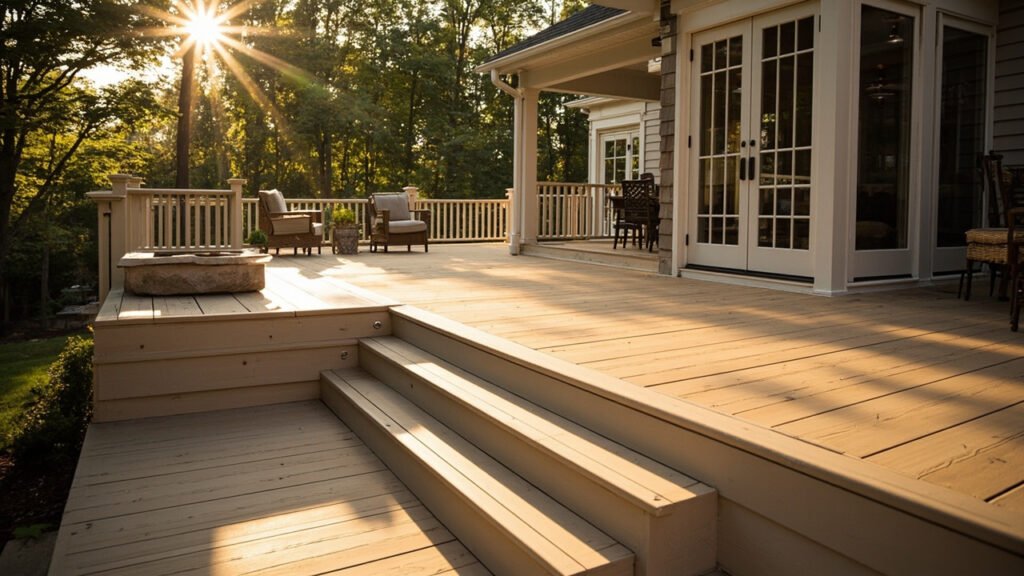
Building a deck is one of the most rewarding home improvement projects you can undertake in the Boston area. Whether you are envisioning summer barbecues on a new cedar platform or a covered front porch that welcomes guests to your Brookline colonial, working with an experienced deck builder Boston homeowners trust makes all the difference. Before you begin your project, there are several important factors to consider that will help ensure your new deck stands the test of New England weather while meeting local building codes and safety standards.
Understanding Boston’s Climate Challenges for Decks
The Greater Boston and MetroWest region experiences a wide range of weather conditions that can significantly impact deck performance and longevity. From humid summers to harsh winters with freeze-thaw cycles, your deck faces weather exposure that demands careful planning. Snow accumulation puts additional weight on structural framing, while summer humidity can affect certain materials differently than others. Working with a contractor who understands these regional challenges means your deck will be built with the right specifications to handle everything from heavy January snowloads to August heat and humidity.
Planning Your Deck Project: Permits and Regulations
One of the first steps in any deck construction project in the Boston area is understanding local permit requirements. Many municipalities in our service area, including Newton, Wellesley, Brookline, and Quincy, have specific regulations governing deck construction. Generally, decks that are more than 24 inches above ground or attached to the home require building permits. This process ensures your project meets structural requirements and zoning regulations. A qualified deck builder will handle the permit process and ensure all documentation meets local requirements, taking the guesswork out of compliance for you.
Choosing the Right Deck Materials for New England Weather
Selecting appropriate deck materials is crucial for withstanding Boston’s seasonal extremes. Traditional pressure-treated lumber remains a popular choice for structural framing due to its durability and affordability. For the visible decking surface, homeowners have several excellent options. Composite decking has become increasingly popular because it resists moisture, rot, and insect damage while requiring minimal maintenance. Unlike natural wood, composite materials do not require annual sealing or staining, making them an attractive option for busy homeowners in communities like Wellesley, Weston, and Lexington. However, some homeowners prefer the classic appearance of cedar or redwood, which can provide natural beauty when properly maintained with regular sealing and staining.
Structural Framing: The Foundation of a Safe Deck
The structural framing is quite literally what holds everything together, making proper construction absolutely essential for safety and longevity. In the Boston area, where frost depths can reach significant levels, footings must be set below the frost line to prevent heaving during winter months. This means excavation depths often reach 48 inches or more depending on local soil conditions. The framing should use appropriately sized lumber spaced according to your deck’s design and anticipated loads. Attention to flashing and ventilation around the connection points between your deck and home prevents moisture damage that could compromise the structure over time. Whether you are planning new deck construction in Wayland, a deck rebuild in Burlington, or repairs in Braintree, quality framing ensures your investment remains safe and stable for years to come.
Deck Stairs and Railing Safety Requirements
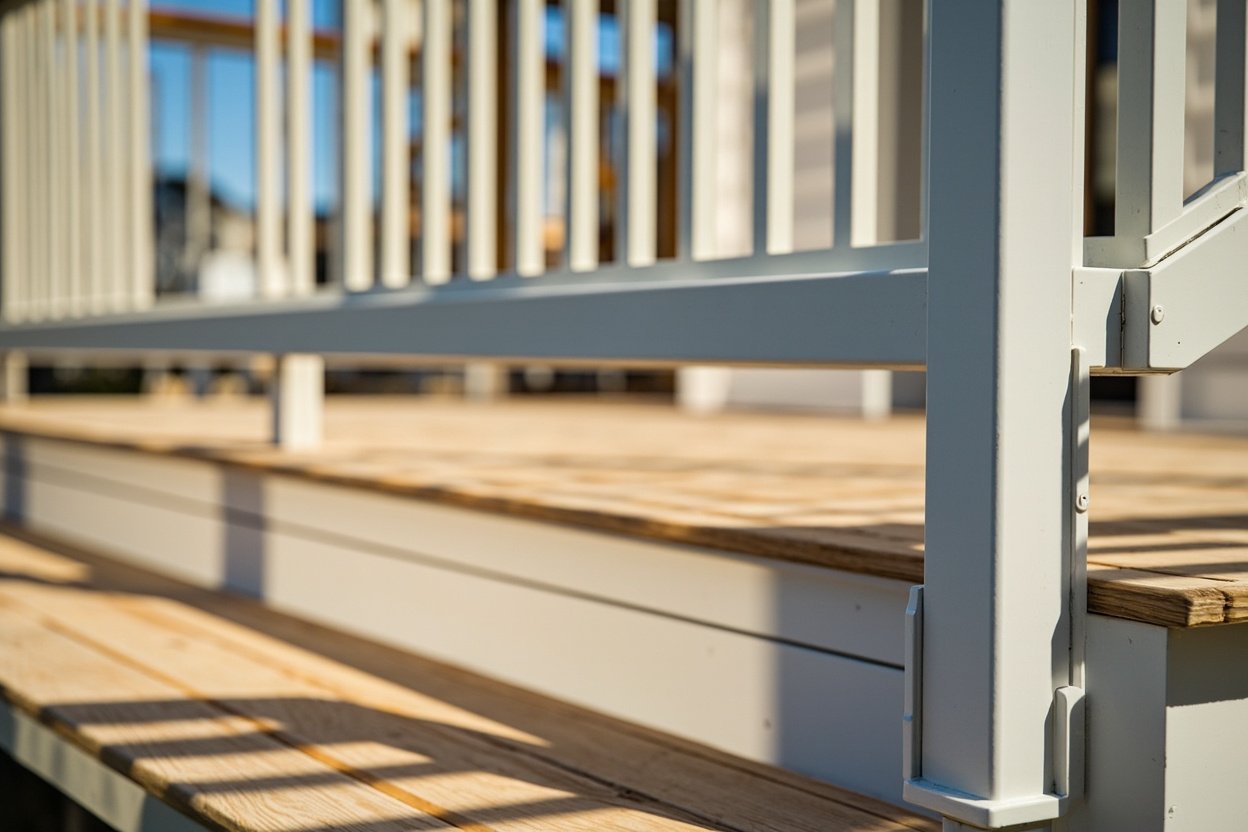
Stairs and railings are critical safety components that receive careful attention during any deck project. Building codes specify requirements for stair dimensions including tread depth, riser height consistency, and handrail specifications. For decks in our service area, railings typically must be at least 36 inches tall for residential applications, though some municipalities may require higher installations. The spacing between railing balusters must prevent a 4-inch sphere from passing through, ensuring safety for young children. Material choices for railings range from traditional wood to aluminum to composite options, each offering different aesthetic and maintenance characteristics. Well-designed stairs with proper lighting enhance both safety and usability, particularly important during Boston’s dark winter evenings.
Maintenance Planning for Long-Term Performance
Even the best-built deck requires some ongoing attention to maintain its appearance and structural integrity. If you choose natural wood materials, establishing a regular maintenance routine that includes cleaning, sealing, and periodic inspections will protect your investment significantly. Composite decking requires less maintenance but benefits from occasional cleaning to remove debris and prevent mold buildup. Regardless of material choice, regular inspection of fasteners, flashing, and connection points helps identify potential issues before they become larger problems. Planning for maintenance from the beginning of your project ensures you understand what your deck will need over time to look its best and perform safely.
Ready to discuss your project? Visit our deck and porch services page or call (857) 837-2100 to schedule a free onsite estimate.
Advanced Deck & Porch is a brand owned and operated by Sun Shore Construction. All estimates, contracts, and construction services are provided by Sun Shore Construction.