
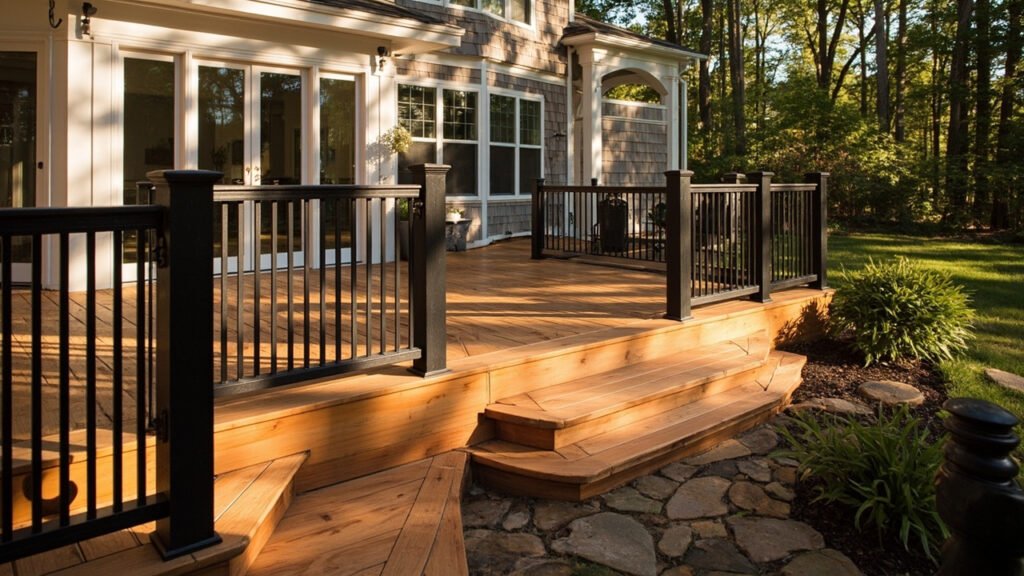
Building or renovating a deck is a significant investment for any homeowner in the Boston area. Whether you are looking to create a new outdoor living space in Newton, extend your entertaining area in Brookline, or restore a weathered structure in Quincy, understanding the key factors that go into quality deck construction will help you make informed decisions. This guide covers what you need to know before starting your project with a deck builder in Boston.
Boston Weather and Its Impact on Deck Design
The New England climate presents unique challenges for outdoor structures. From humid summers to freezing winters and everything in between, your deck must be built to withstand significant weather exposure throughout the year. Freeze-thaw cycles can put stress on fasteners and connections, while summer humidity affects wood movement and adhesion.
When planning your project, consider how your deck will handle snow load in winter, prolonged sun exposure in summer, and the heavy rains that are common in spring and fall. Proper structural framing and appropriate material choices become even more critical in this climate. A thoughtful deck builder in Boston will account for these seasonal variations in every aspect of the design and construction process.
Choosing the Right Deck Materials
One of the first decisions you will make is selecting deck materials. Traditional pressure-treated lumber remains popular due to its affordability and availability, but it does require ongoing maintenance to prevent splitting, warping, and decay over time.
Composite decking has become an increasingly popular alternative for homeowners who want durability with less upkeep. Made from a blend of wood fibers and recycled plastics, composite boards resist fading, staining, and scratching while maintaining their appearance year after year. Many products now come with extended warranties that reflect their longevity in challenging climates.
Other options include cedar and redwood, which offer natural beauty but require sealing and maintenance, and various hardwoods that provide exceptional durability at higher price points. Your deck builder can help you weigh the pros and cons of each material based on your budget, aesthetic preferences, and willingness to perform seasonal maintenance.
Structural Framing and Railing Safety
The hidden structural framework is what makes the difference between a deck that lasts decades and one that develops problems within a few years. Proper structural framing begins with correctly sized beams and joists, appropriate ledger board attachment to your home, and secure footings that extend below the frost line.
In the Boston area, footings must be set at depths that prevent frost heave during winter months. This is not optional and is a requirement in most municipalities including Boston, Wellesley, Lexington, and surrounding communities. Your contractor should understand local building codes and ensure that all connections meet or exceed current standards.
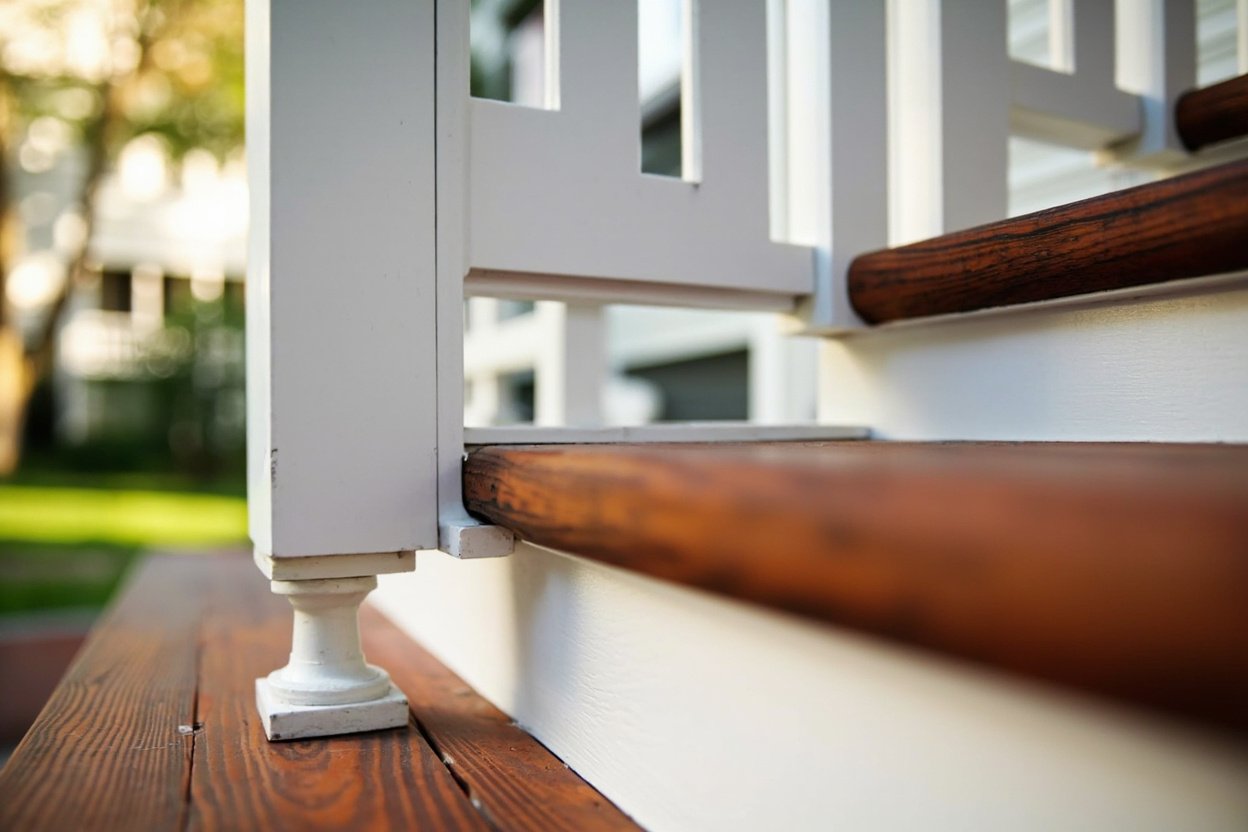
Railing safety is another critical consideration. Railings must be at the correct height, have appropriate spacing between balusters to prevent children from getting stuck, and be securely attached to the structure. This applies to all elevated portions of your deck as well as stairs. Deck stairs require proper rise and run dimensions to ensure safe and comfortable use, and handrails must be graspable and securely mounted.
Navigating Permits and Planning
Before construction begins, most deck projects in Greater Boston and MetroWest require building permits. The specific requirements vary by town, but generally any deck that is attached to a home or exceeds a certain height will need a permit. Detached decks below certain thresholds may also require permits depending on local regulations.
The permit process typically involves submitting detailed plans showing dimensions, materials, structural connections, and footings. Some towns may require engineered drawings for larger projects. Working with an experienced deck builder who is familiar with local requirements in communities like Weston, Westwood, Natick, or Wayland can streamline this process considerably.
It is also worth considering how your deck fits into broader maintenance planning. Even with modern materials, regular cleaning, inspection of connections, and occasional resealing or staining will extend the life of your investment. A quality contractor will discuss these maintenance needs during the planning phase so you know what to expect.
Working with a Local Contractor
Choosing a deck builder with established experience in the Boston area offers several advantages. Local contractors understand regional building codes, know which materials perform well in New England conditions, and have relationships with local building departments that can facilitate the permit process.
When evaluating potential contractors, ask about their experience with projects similar to yours, request references from past clients in your area, and verify that they carry appropriate insurance coverage. A thorough contractor will conduct an onsite evaluation before providing estimates, as every property has unique considerations including existing structures, drainage patterns, and access limitations.
Whether you need a complete deck rebuild, are adding stairs and railings to an existing structure, or are building a new front porch in Canton or Norwood, taking time to plan properly will result in an outdoor space that serves your family well for years to come.
Ready to discuss your project? Visit our deck and porch services page or call (857) 837-2100 to schedule a free onsite estimate.
Advanced Deck & Porch is a brand owned and operated by Sun Shore Construction. All estimates, contracts, and construction services are provided by Sun Shore Construction.