
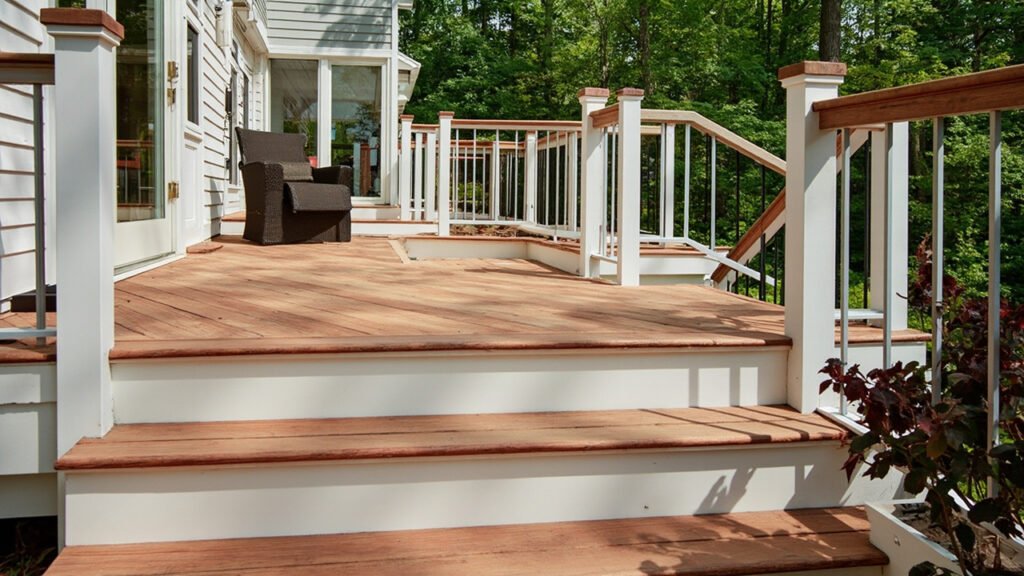
Building a new deck is an exciting project that can transform your outdoor living space and add significant value to your home. However, finding the right deck builder in Newton MA requires more than a quick internet search. Understanding what separates a quality installation from a problematic one can save you time, money, and headaches down the road. This guide walks you through the key considerations every Greater Boston homeowner should keep in mind when planning a deck project.
Why Local Experience Matters for Your Deck Project
Working with a deck builder who understands Newton MA and the surrounding Greater Boston communities means benefiting from firsthand knowledge of local conditions. New England weather creates unique challenges for outdoor structures. The freeze-thaw cycles that characterize our winters put stress on materials and connections that builders in milder climates never have to address. A contractor familiar with these conditions knows how to spec foundations, choose appropriate materials, and detail connections to withstand years of exposure.
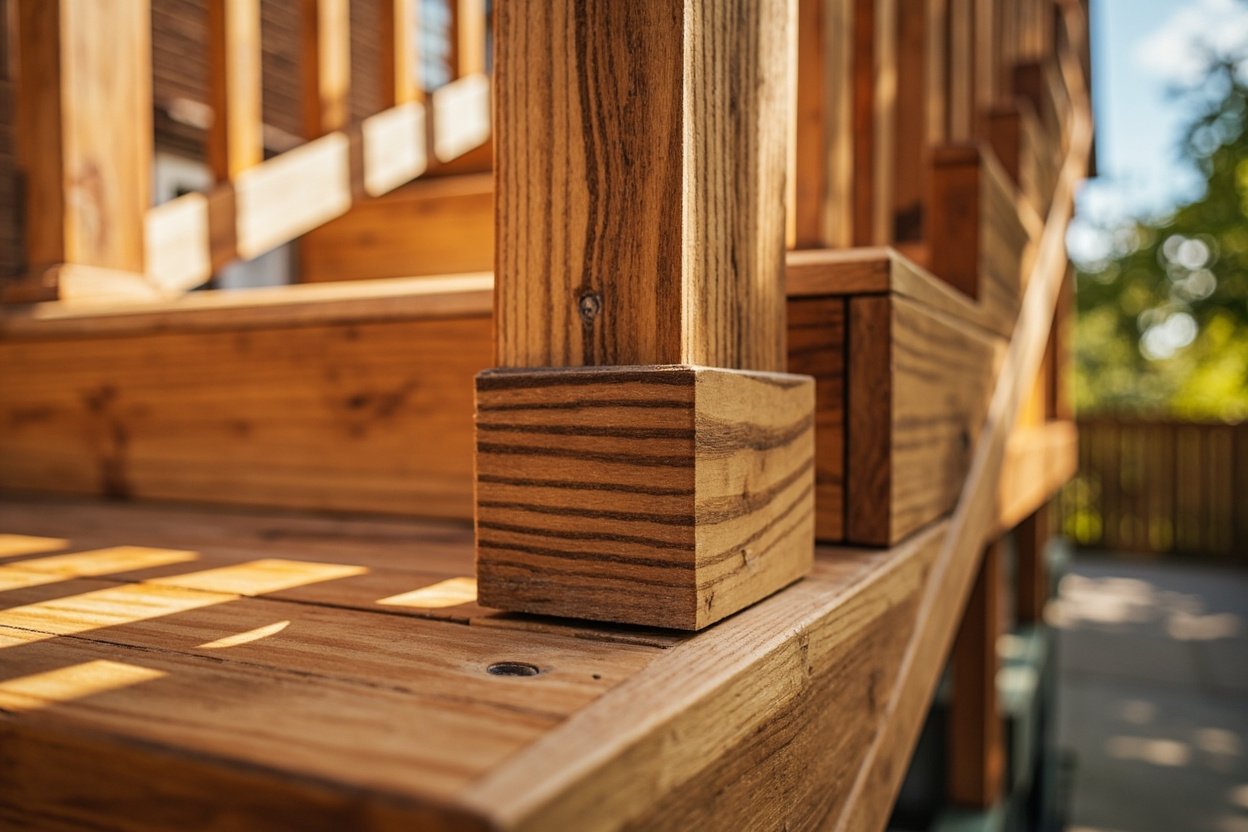
Local builders also understand the permit requirements specific to each municipality. Newton, Brookline, Wellesley, and other MetroWest towns have their own building departments and code interpretations. An experienced deck contractor navigates these requirements regularly, keeping your project moving forward without unnecessary delays. They know which towns require engineering for certain spans, what inspections are needed, and how to document work for smooth approval.
Choosing Deck Materials That Stand Up to New England Weather
Today’s homeowners have more options than ever when selecting deck materials. Traditional pressure-treated lumber remains popular due to its affordability and availability. However, Composite decking has gained significant market share as homeowners discover its long-term benefits. Made from a combination of wood fibers and recycled plastics, composite boards resist rotting, warping, and insect damage better than traditional wood. They also never need sanding, staining, or sealing, which reduces maintenance planning significantly over the life of your deck.
Weather exposure in our region means considering how materials perform through humid summers, snowy winters, and everything in between. Quality composite products handle moisture well without the dimensional changes that plague some wood species. If you love the look of natural wood but want minimal maintenance, capped composite boards offer the best of both worlds with their wood-grain textures and tough outer shells.
Whatever material you choose, proper ventilation beneath the deck and adequate spacing between boards allows water to drain and air to circulate. This attention to detail during installation extends the life of your investment regardless of which material you select.
Structural Framing: The Foundation of a Great Deck
The framing beneath your deck is just as important as the surface you see. Proper structural framing starts with correctly sized beams and joists based on your deck’s dimensions and expected loads. In Massachusetts, footings must extend below the frost line to prevent heaving during winter freeze-thaw cycles. This means digging below 36 to 48 inches depending on your specific location.
Quality deck builders use galvanized or stainless steel connectors at critical joints rather than relying on nails alone. Hurricane ties and post caps create stronger connections between framing members, helping your deck resist the high winds we sometimes experience in the Boston area. The structure should feel solid underfoot with no bounce or flex when you walk across it.
When considering a deck rebuild rather than new construction, an experienced contractor assesses the existing structure carefully. Often, homeowners discover their current deck has framing issues that weren’t visible from above. Rotted posts, undersized joists, or inadequate footings all need addressing before new decking goes down. A thorough rebuild addresses these problems properly rather than simply covering them up.
Railing Safety and Stairs: Details That Matter
Railing safety is not an area where compromises make sense. Massachusetts building codes specify minimum railing heights, spacing between balusters, and structural requirements for railing systems. For decks more than 30 inches above grade, the code typically requires 36-inch tall railings with balusters spaced no more than 4 inches apart to prevent children from slipping through.
Stairs require similar attention to code requirements. Tread depth, riser height uniformity, and handrail specifications protect your family and guests from falls. Each step must be exactly the same height, and landings at the top and bottom provide safe transition points. Handrails must extend past the top and bottom risers and be graspable with a comfortable diameter.
For homeowners who want clean sightlines from their deck, glass railings offer an unobstructed view while meeting code requirements. Aluminum and vinyl railings provide durable, low-maintenance alternatives with a range of styles to match different home aesthetics. Your deck builder should explain the options and help you select systems that meet both your visual preferences and safety requirements.
Planning Your Deck Project in Greater Boston
Spring and early summer are popular times to start deck projects in Newton MA and surrounding towns. However, planning ahead makes sense regardless of when you want construction to begin. Many homeowners are surprised to learn that the design, material selection, and permitting process can take several weeks before groundbreaking happens. Starting the conversation early ensures your project is ready to go when conditions allow work to proceed.
Consider how you plan to use your deck when designing its size and layout. Do you want space for dining, cooking, and lounging? Will you need electrical outlets for entertainment or lighting for evening use? Thinking through these details during planning prevents costly changes later. A good contractor asks about your lifestyle and intended uses to help you design a deck that truly works for your family.
Ready to discuss your project? Visit our deck and porch services page or call (857) 837-2100 to schedule a free onsite estimate.
Advanced Deck & Porch is a brand owned and operated by Sun Shore Construction. All estimates, contracts, and construction services are provided by Sun Shore Construction.