
Building or renovating a deck is a significant home improvement decision that adds living space, increases property value, and enhances how you enjoy your home. For homeowners in Newton MA, Boston, and the surrounding Greater Boston communities, the process involves more than just choosing a style. Local weather patterns, permit requirements, and the quality of structural framing all play a role in how long your deck will last and how well it will perform over time.
Understanding Local Climate Considerations for Decks in Greater Boston
The New England climate presents specific challenges for outdoor structures. Newton MA experiences cold winters with freezing temperatures, hot and humid summers, and significant snow accumulation. These conditions mean your deck materials face considerable stress year after year. Freeze-thaw cycles can cause damage to poorly installed surfaces, and prolonged moisture exposure leads to rot in vulnerable areas.
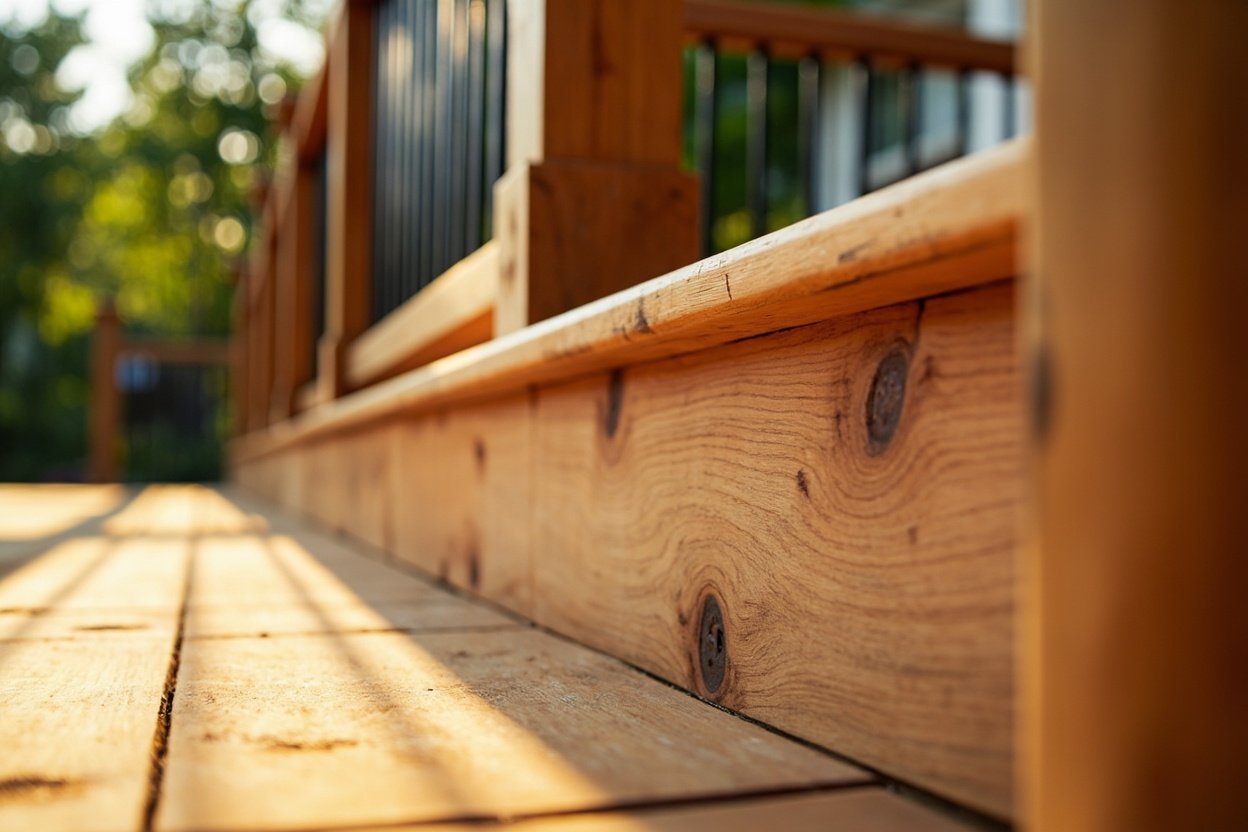
Working with a deck builder familiar with Greater Boston weather patterns matters because proper material selection and installation techniques help your deck withstand these conditions. The approach to structural framing, flashing, and drainage must account for seasonal moisture exposure to prevent long-term problems.
Material Choices Matter for Long-Lasting Decks
Modern homeowners have several good options when selecting deck materials. Pressure-treated lumber remains a popular choice due to its affordability and durability against insects and rot. However, many homeowners in Wellesley, Weston, and Newton are choosing composite decking for its low maintenance requirements and resistance to fading, staining, and moisture damage.
Composite decking does not require sealing or staining each year, and it holds up well against the freeze-thaw cycles common to MetroWest winters. While the initial investment is higher than wood, many find the reduced maintenance over the life of the deck makes it cost-effective. Your deck builder can help you compare options based on your budget, aesthetic preferences, and how you plan to use the space.
Structural Framing and the Foundation of a Safe Deck
The hidden structural framework beneath your deck surface is what keeps it safe and stable over time. Proper structural framing includes correctly sized beams, properly spaced joists, and secure connections to your home. In Massachusetts, deck collapses often trace back to inadequate framing or improper ledger board installation where the deck attaches to the house.
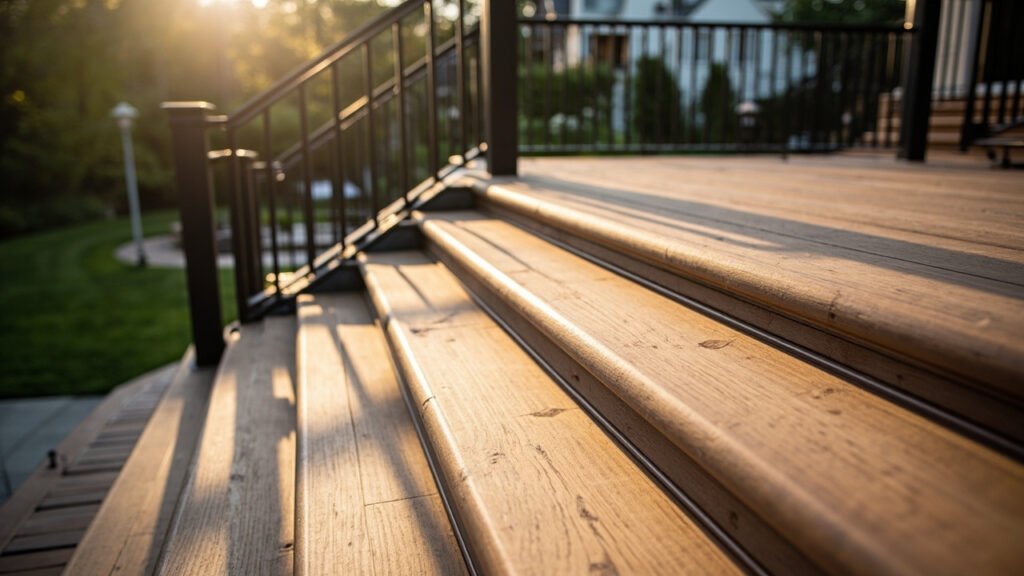
Your deck stairs deserve special attention because they carry significant weight and see heavy use. Each step must be consistent in height, and the stringers must be properly supported. Handrails on stairs are not just a convenience, they are a safety requirement that protects your family and guests from falls.
Railing Safety Requirements and What to Expect
Decks elevated above ground level require code-compliant railings. In Massachusetts communities including Newton, Brookline, and Wellesley, railing height, baluster spacing, and post installation must meet specific standards. Railings must be able to withstand significant force without loosening or failing.
The balusters, or vertical posts between the top and bottom rails, must be spaced so a 4-inch sphere cannot pass through. This prevents children from getting stuck or falling through gaps. Post connections must be secure, whether you choose wood, aluminum, or composite railing systems. Your deck builder should understand these requirements and ensure your installation passes inspection.
Permits and Planning for Deck Projects in MetroWest
Most municipalities in the Greater Boston area require permits for new deck construction and substantial rebuilds. The requirements vary by town, but typically include submitting plans showing the deck dimensions, height, framing details, and distance from property lines. In Newton and many neighboring communities, decks exceeding certain heights or located near wetlands may face additional review.
Working with a deck builder who understands local permit processes helps avoid delays and ensures your project moves forward smoothly. Experienced contractors know what documentation to submit and can address any questions from building departments in Acton, Natick, or Wayland.
Maintenance Planning for Your Deck Investment
Once your deck is complete, a simple maintenance routine helps protect your investment for years to come. For wood decks, this includes annual cleaning, periodic sealing, and inspection for loose boards or protruding nails. Composite decking requires less work, typically just cleaning with soap and water to remove pollen and debris.
Regardless of material choice, inspect your deck each spring for any damage caused by winter weather. Check the ledger board connection to your home, examine railings for stability, and look for signs of rot in any wood components. Catching small problems early prevents more costly repairs down the road.
Ready to discuss your project? Visit our deck and porch services page or call (857) 837-2100 to schedule a free onsite estimate.
Whether you are building a new front porch in Quincy, replacing an aging deck in Newton, or adding stairs and railings in Westwood, planning ahead leads to better results. Understanding the local climate, material options, structural requirements, and permit process helps you make informed decisions throughout your project.
Advanced Deck & Porch is a brand owned and operated by Sun Shore Construction. All estimates, contracts, and construction services are provided by Sun Shore Construction.