
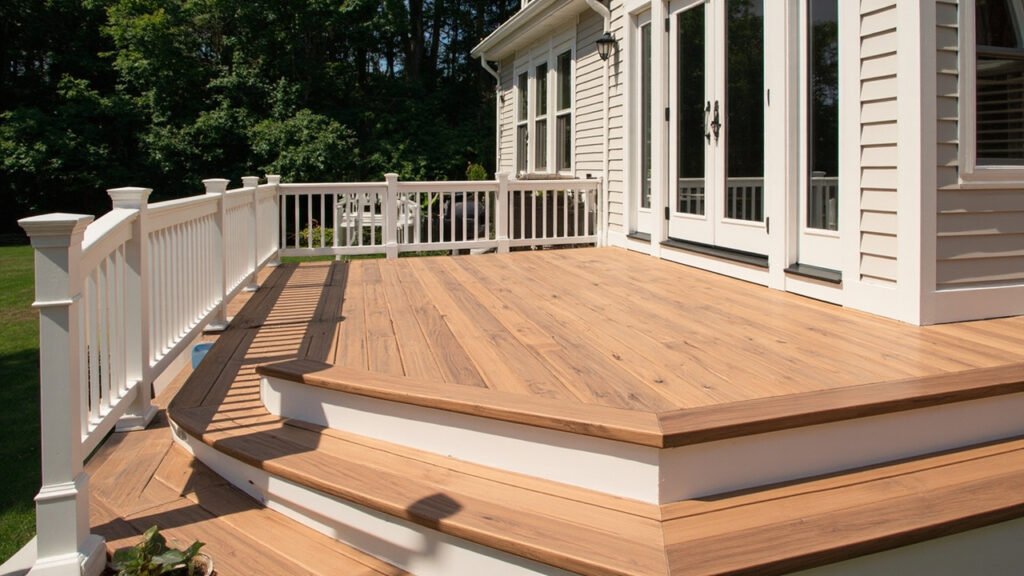
If your current deck is showing signs of wear, sagging boards, or structural concerns, you may be wondering whether repair is enough or if deck replacement in Boston makes more sense. For many homeowners in the Greater Boston area, a full replacement provides better long-term value, improved safety, and peace of mind—particularly given our region’s challenging weather patterns and aging housing stock. This guide walks you through the key considerations so you can make an informed decision for your home.
When Deck Replacement Makes More Sense Than Repair
Not every deck problem requires starting from scratch, but certain situations call for complete removal and reconstruction. If your existing frame shows signs of rot, insect damage, or movement in the support posts, patching individual areas often becomes a cycle of ongoing maintenance. Older decks built before modern building codes may also lack adequate structural framing, insufficient joist spacing, or undersized beams that cannot safely support today’s deck materials and furniture loads.
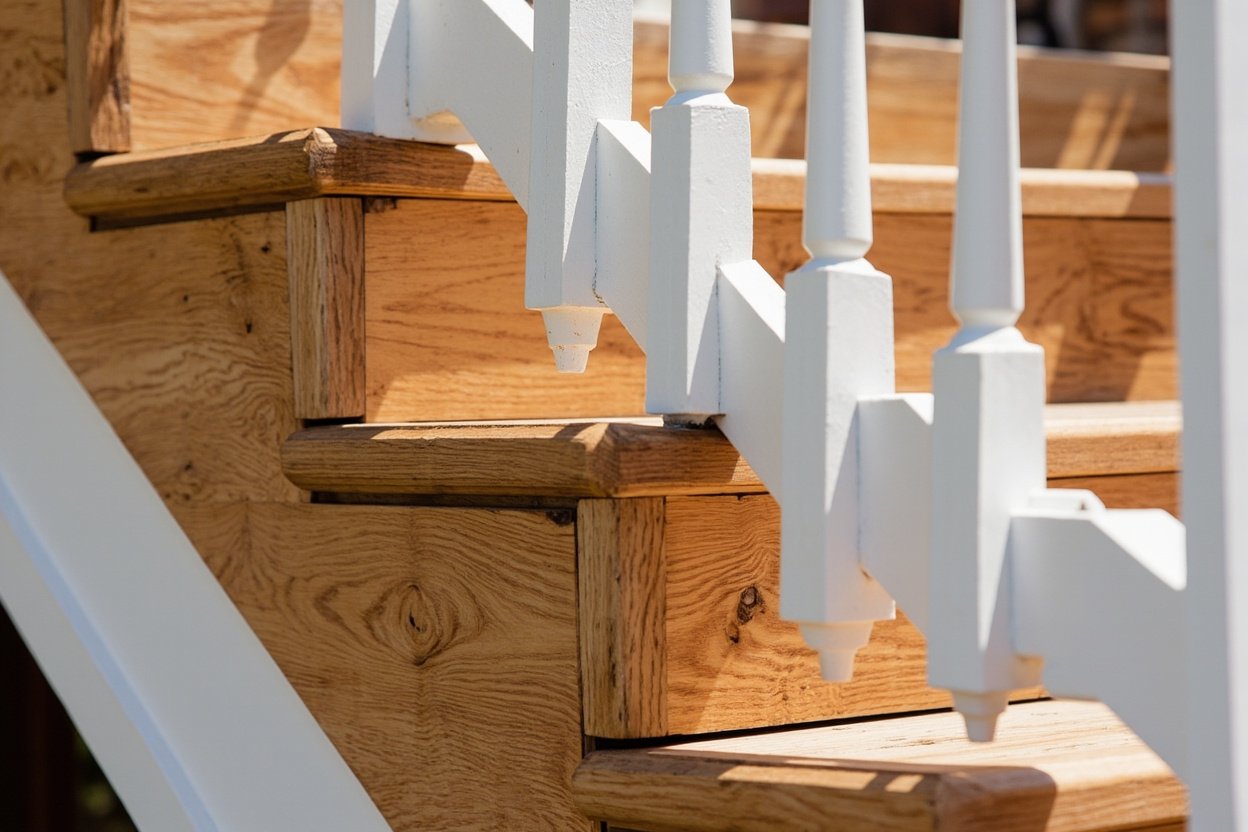
Visible warning signs include warped or soft boards, rusted fasteners pulling away from the framing, and posts that have shifted due to frost heave—a common issue in Massachusetts winters. If your deck is more than twenty years old and requires frequent repairs, budgeting for a full replacement often costs less over time while delivering a safer, more enjoyable outdoor space.
Planning Your Deck Project Around Boston Weather and Seasonal Timing
Boston homeowners face unique challenges when scheduling outdoor construction. Our freeze-thaw cycles, heavy snow loads, and humid summers place real demands on deck materials and structural connections. Proper planning starts with understanding how these conditions affect both construction timing and material selection.
Most deck replacements in the Greater Boston area begin in early spring once the ground thaws and continue through fall. This window allows concrete footings to cure properly and gives the new structure time to settle before winter arrives. Building in summer heat presents its own considerations, since Composite decking can expand in direct sunlight and may require careful fitting techniques.
Before construction begins, check with your local building department. Many MetroWest communities including Newton, Wellesley, and Brookline require permits for deck replacements exceeding certain heights or square footage. Your contractor should handle permit documentation and ensure compliance with local codes for stairs, railings, and structural framing requirements.
Choosing the Right Deck Materials for New England Conditions
Material selection directly impacts how well your new deck performs through Boston’s seasons. Traditional pressure-treated lumber remains popular for structural framing due to its affordability and resistance to decay. For the deck surface itself, homeowners increasingly choose Composite decking for its low-maintenance characteristics and resistance to moisture, fading, and splintering.
Composite decking handles Boston weather well because it resists the swelling and contracting that damages natural wood in freeze-thaw cycles. Unlike wood, it does not require annual sealing or staining, which appeals to busy homeowners in communities like Lexington, Natick, and Wayland who want an attractive outdoor space without constant upkeep.
Hardwood options such as ipe offer natural durability and a distinctive appearance, though they come with higher material and maintenance costs. Aluminum railings provide modern aesthetics with excellent longevity, while traditional wood railings remain a classic choice when properly sealed. Your contractor can explain the tradeoffs based on your budget, aesthetic preferences, and willingness to perform ongoing maintenance.
Structural Framing, Railing Safety, and Stairs
A deck replacement in Boston must address three critical safety components: structural framing, railings, and stairs. Modern building codes specify minimum requirements for each, and exceeding these standards often prevents problems down the road.
Structural framing begins with properly sized beams and correctly spaced joists. In areas with expansive clay soils or poor drainage—common in parts of Quincy, Braintree, and Canton—additional attention to footings prevents settling that leads to bouncy decks and uneven surfaces. Posts should extend below the frost line to resist frost heave, typically forty-eight inches or deeper in our region.
Railing safety requirements vary by municipality but generally mandate guards at least thirty-six inches high for residential decks and more substantial heights for elevated structures. Baluster spacing must prevent the passage of a four-inch sphere to protect young children. Front porch construction and deck stairs require proper rise and run dimensions to ensure safe use, and landings must meet specific size requirements at exterior doors.
Maintenance Planning for Your New Deck
Once your new deck is complete, establishing a maintenance routine extends its lifespan significantly. Even low-maintenance materials benefit from periodic attention. Clean debris from between boards and from surfaces regularly, especially after autumn leaf-fall and before winter sets in.
Inspect railings and connection points each spring, checking for loose fasteners or signs of corrosion. Examine the ledger board where the deck attaches to your home, since this critical connection bears significant load and requires secure flashing to prevent water infiltration. Trimming nearby vegetation improves airflow and reduces moisture retention that can lead to premature deterioration.
Ready to discuss your project? Visit our deck and porch services page or call (857) 837-2100 to schedule a free onsite estimate.
Advanced Deck & Porch is a brand owned and operated by Sun Shore Construction. All estimates, contracts, and construction services are provided by Sun Shore Construction.