
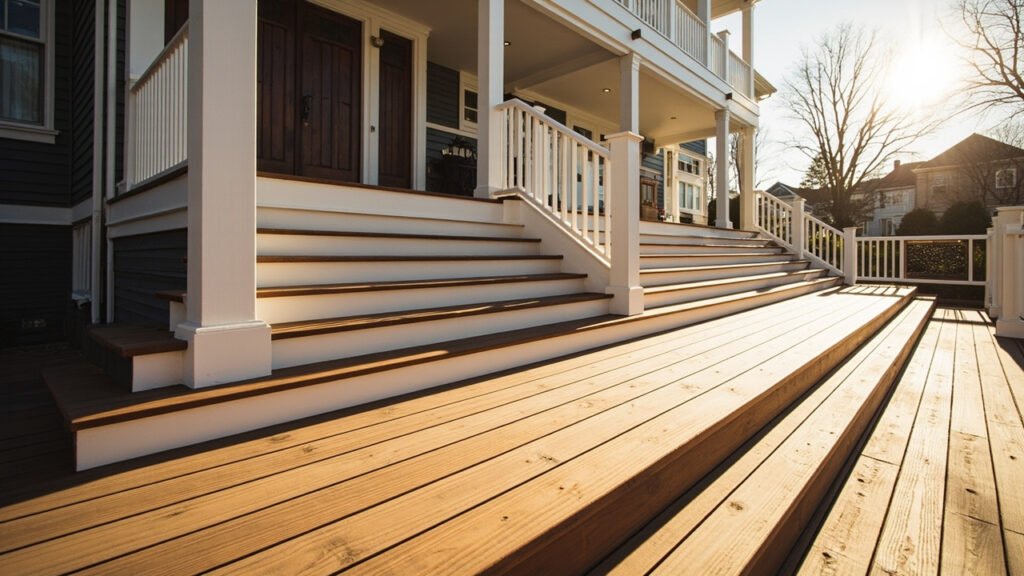
If you are considering adding a new deck or upgrading your existing outdoor space, working with an experienced deck builder in Boston can make the difference between a project that enhances your home for decades and one that creates headaches down the road. New England weather, local building codes, and the unique characteristics of Boston-area properties all play a role in how your deck should be designed and constructed. This guide walks you through what to expect during the process and how to plan for a successful outcome.
Understanding Boston-Area Building Requirements
Before any construction begins, it helps to understand that building a deck in the Greater Boston area involves permits and inspections. Most municipalities, including Boston itself and towns like Newton, Brookline, Wellesley, and Quincy, require building permits for deck projects exceeding a certain height or square footage. Your deck builder should be familiar with these requirements and guide you through the process. This includes ensuring that structural framing meets load-bearing requirements and that railings comply with safety standards.
Many homes in the region have existing structures that require careful evaluation. Whether you are in a colonial in Weston, a mid-century home in Lexington, or a newer property in Natick, the condition of your current foundation and attachment points will influence what your new deck requires. A thorough onsite assessment is the first step any reputable contractor should take.
Choosing the Right Deck Materials for New England Weather
Weather exposure is one of the most important factors for Boston-area decks. Winters bring snow and freezing temperatures, while summers can be humid and warm. This freeze-thaw cycle puts stress on materials, so selecting durable deck materials is essential for long-term performance.
Traditional wood decking like pressure-treated lumber remains popular and can provide a natural look when maintained properly. However, many homeowners are now choosing Composite decking for its resistance to moisture, insects, and the general wear that comes from New England seasons. Composite materials also require less ongoing maintenance, which appeals to busy homeowners in towns like Westwood, Canton, and Wayland who want to enjoy their outdoor spaces without constant upkeep.
Whatever material you choose, proper installation techniques matter. This includes ensuring adequate spacing for drainage and ventilation, which helps prevent moisture-related issues over time. Your deck builder should explain the pros and cons of each option in relation to your specific property and budget.
The Importance of Structural Framing and Railing Safety
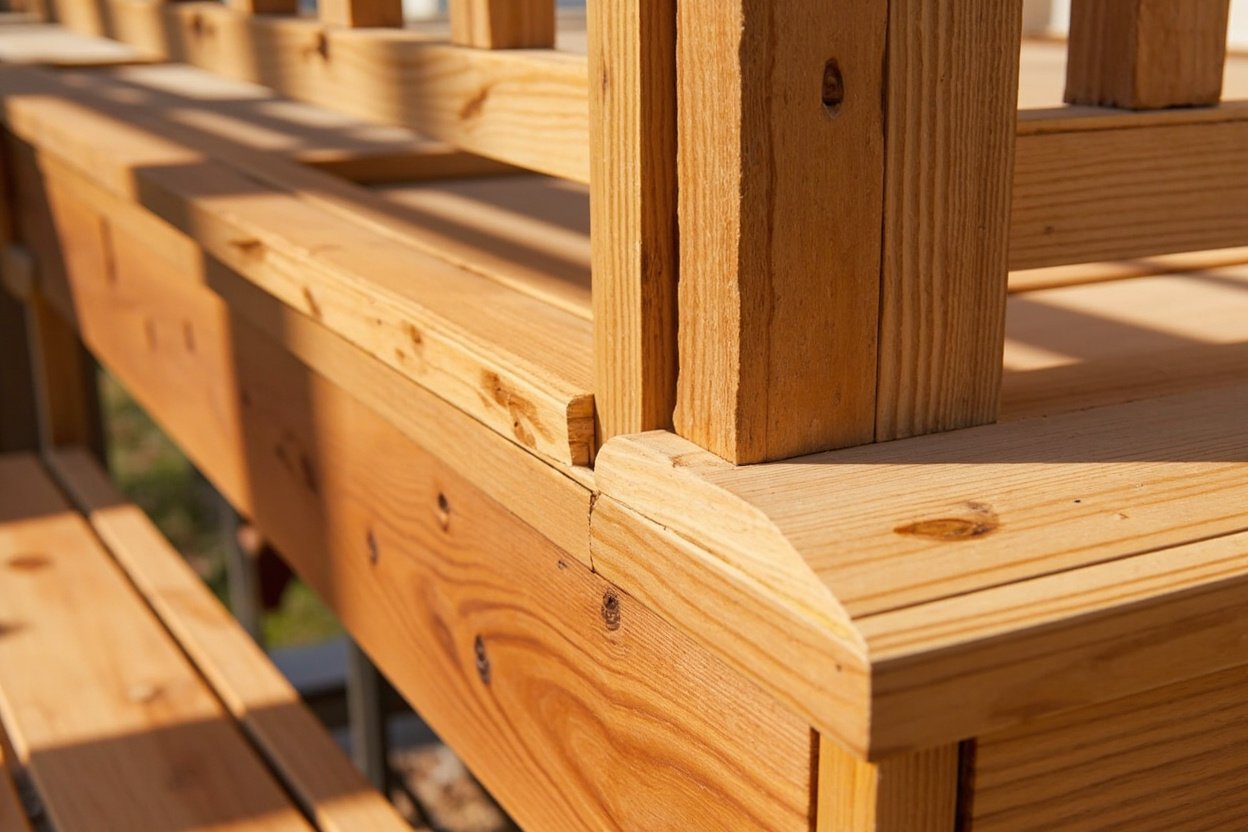
Behind the visible surface of your deck, proper structural framing provides the support that keeps everything safe and stable. In the Boston area, with its mix of sloped yards, clay soils, and aging infrastructure, the foundation and support system deserve careful attention. Joists, beams, and posts must be sized correctly and anchored to resist both vertical loads and lateral movement.
Railing safety is another non-negotiable element. Building codes specify minimum heights, baluster spacing, and strength requirements for railings, particularly for decks elevated above ground level. For homes in Milton, Braintree, or Norwood with split-level yards, the stairs connecting different elevations must meet the same standards. This includes consistent rise and run dimensions, secure handrails, and proper footing.
When evaluating potential contractors, ask about their approach to these underlying elements. A deck that looks beautiful but has compromised framing may pose safety risks and require costly repairs sooner than expected.
Planning Your Deck Project: Timeline and Considerations
Timing your deck project appropriately can help avoid complications. In the Greater Boston area, construction typically begins in early spring once the ground thaws and runs through the fall. Planning ahead during the winter months gives you time to secure permits, finalize designs, and schedule construction before the busy season.
Consider how you plan to use your deck when designing the layout. Do you want space for outdoor dining? A dedicated area for grilling? Should the design incorporate existing landscaping or shade trees? These questions help determine the size, shape, and features of your deck. For front porch construction in historic neighborhoods like Brookline or Wellesley, design considerations may also include maintaining the architectural character of your home.
Here are several factors to discuss with your deck builder:
- Property access and how materials will be delivered to the site
- Drainage patterns and how water will be directed away from the foundation
- Future maintenance needs and how different materials perform over time
- Permit timelines in your specific municipality
- Integration with existing landscaping or outdoor structures
Maintenance Planning for Long-Term Enjoyment
Once your deck is complete, establishing a simple maintenance routine helps protect your investment. Even low-maintenance Composite decking benefits from occasional cleaning to remove debris and prevent mold buildup. Wood decks require more attention, including periodic sealing or staining to guard against moisture penetration.
Regular inspections of railings, stairs, and connection points catch small issues before they become larger problems. This is especially important in older decks where hardware may have loosened over time. By addressing minor repairs promptly, you extend the life of your deck and maintain safe conditions for family and guests.
Working with a Local Contractor You Can Trust
Choosing a deck builder with established roots in the Boston area means working with someone who understands local conditions. They know which towns have stricter permitting processes, how different soil types affect footing decisions, and which material options perform best in our climate. Whether your property is in Bedford, Burlington, Billerica, Weymouth, Acton, or any of the surrounding communities, local experience matters.
Look for a contractor who takes time to explain options, answers your questions clearly, and provides transparent pricing. The best relationships are built on good communication throughout the project, from initial consultation through final inspection.
Ready to discuss your project? Visit our deck and porch services page or call (857) 837-2100 to schedule a free onsite estimate.
Advanced Deck & Porch is a brand owned and operated by Sun Shore Construction. All estimates, contracts, and construction services are provided by Sun Shore Construction.