
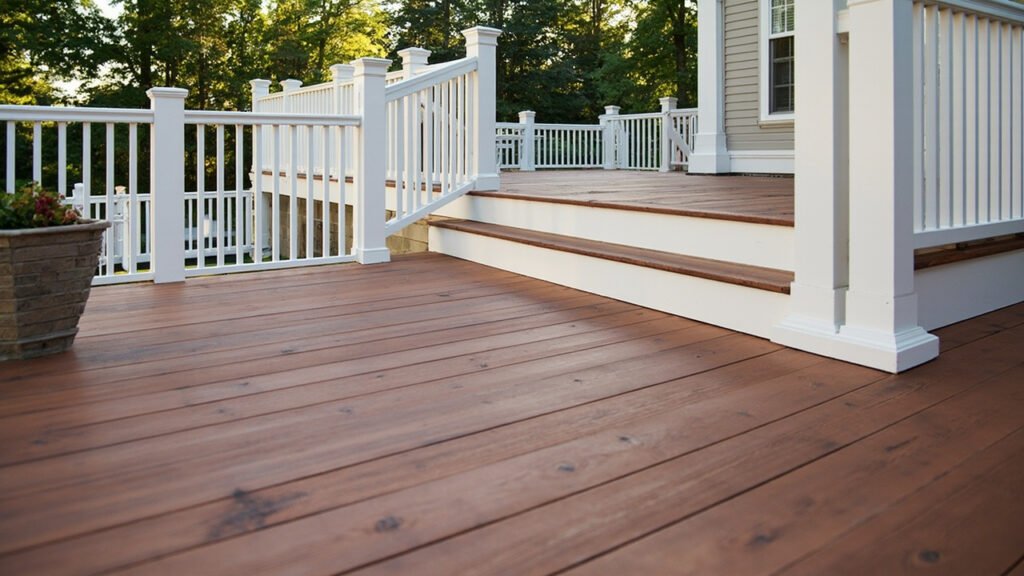
Living in the Greater Boston area means your deck faces some unique challenges. From harsh winters to humid summers, the weather exposure in Boston, Newton, Brookline, and surrounding towns takes a real toll on outdoor structures. If you have noticed sagging boards, loose railings, or unstable stairs, it might be time to think seriously about deck repair. This guide walks you through what to look for, what your options are, and how to approach your repair project with confidence.
Common Signs Your Deck Needs Attention
Before problems get worse, it helps to know what warning signs to watch for. Structural issues often start small and progress gradually, so regular inspection matters. Look for boards that feel soft underfoot, which can indicate wood rot beneath the surface. Check for nails that are popping up or connections that feel loose when you apply pressure. Cracked or splintered boards are another clear signal that your deck materials are breaking down. If your railing wobbles when you push against it, that is a safety concern that deserves prompt attention.
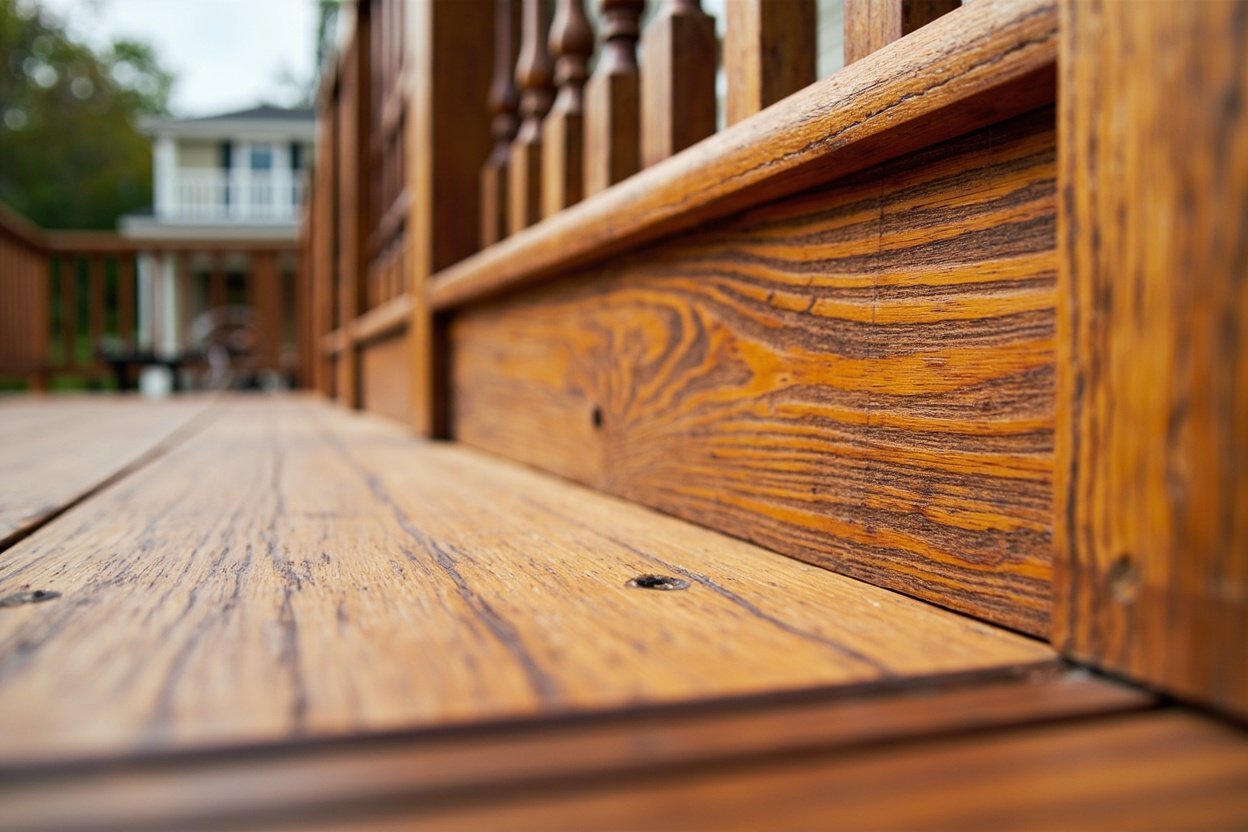
In older neighborhoods throughout MetroWest and Greater Boston, many decks were built decades ago with older construction standards. These structures may have been built with materials and techniques that do not meet today’s codes. Even if your deck looks fine from a distance, closer inspection often reveals hidden issues in the structural framing that need addressing.
Understanding Deck Materials and Your Options
When it comes to deck repair or renovation, material choice makes a significant difference in longevity and maintenance. Traditional pressure-treated wood remains a popular option for its natural appearance and upfront cost. However, it requires regular maintenance including staining, sealing, and periodic board replacement to keep it in good shape.
Composite decking has become increasingly popular throughout Boston-area communities like Wellesley, Weston, and Lexington. This material resists rot, warping, and insect damage without requiring the same level of upkeep as wood. While the initial investment tends to be higher, many homeowners find the reduced maintenance needs make it worthwhile over time. Modern composite boards also offer excellent durability against Boston weather exposure, handling everything from summer humidity to winter freeze-thaw cycles.
Your choice will depend on your budget, how much maintenance you are willing to do, and the look you want for your outdoor space. A qualified contractor can help you weigh these factors based on your specific situation.
Why Proper Structural Framing Matters
Beautiful decking boards on top cannot hide problems underneath. The structural framing is what actually holds your deck together, and this is often where deterioration occurs first. In Boston homes, moisture penetration combined with seasonal temperature swings creates ideal conditions for wood decay in support beams, joists, and ledger connections to your house.
During a thorough deck repair, a qualified contractor will inspect the condition of all load-bearing components. This means checking posts set into concrete, beam connections, and how the deck attaches to your home’s framing. In older construction, you might find older hardware or connections that were considered acceptable years ago but do not meet current standards. Proper ledger flashing and secure bolting are especially important for decks attached to houses in this region, where snow loads and wind can place significant stress on these connections.
Sometimes repair means replacing a few damaged components. In other cases, if the structural damage is extensive, a partial or complete rebuild makes more sense than trying to patch an aging framework.
Stairs and Railing Safety Requirements
Stairs and railings are not just cosmetic features. They are critical safety elements that must meet specific building codes. In Massachusetts, deck stairs must meet requirements for tread depth, riser height, and handrail specifications. These rules exist to prevent falls and injuries, and they apply to all decks regardless of height.
Railing safety involves both structural integrity and height requirements. Current code typically calls for railings at least 36 inches high for residential decks, with balusters spaced to prevent children from squeezing through. If your existing railings date from an older construction era, they may not comply with modern standards. Upgrading these elements during your deck repair is often a smart investment in your family’s safety.
When planning stairs and railings, also consider how they will look as part of your overall deck design. Today there are many options for composite decking railings that complement different architectural styles common throughout Boston’s neighborhoods.
Navigating Permits and Planning for Your Project
Depending on the scope of your deck repair, you may need permits from your local building department. Boston, Newton, Brookline, and other Greater Boston communities each have their own requirements, so it is important to understand what applies in your specific town. Generally, structural repairs that affect load-bearing elements require permits, while surface-level board replacement often does not.
For larger projects like adding stairs, changing the deck height, or significantly modifying the structure, expect the permit process to include detailed plans and inspections at various stages. Working with an experienced contractor familiar with local codes throughout MetroWest can help streamline this process and ensure your project meets all requirements.
Before starting any work, think about timing. In this region, most outdoor construction happens between spring and early fall. Planning ahead and getting estimates in winter or early spring often means your project can get scheduled during the optimal building season.
Making the Most of Your Deck Repair
Beyond fixing immediate problems, a repair project is a chance to think about the future. Consider how you use your outdoor space and what improvements might serve you better. Maybe you want better access from a different door, more shade, or updated lighting for evening use. Perhaps you want to switch to lower-maintenance materials as part of the repair.
Building a realistic maintenance plan helps extend the life of whatever materials you choose. Even composite decking benefits from occasional cleaning, and knowing what to expect from your deck materials helps you plan accordingly.
Whether your deck needs minor repairs or more extensive work, taking action promptly typically costs less than waiting until problems become severe. The seasonal weather here in Greater Boston and MetroWest waits for no one, and a well-maintained deck serves your family safely for years to come.
Ready to discuss your project? Visit our deck and porch services page or call (857) 837-2100 to schedule a free onsite estimate.
Advanced Deck & Porch is a brand owned and operated by Sun Shore Construction. All estimates, contracts, and construction services are provided by Sun Shore Construction.