
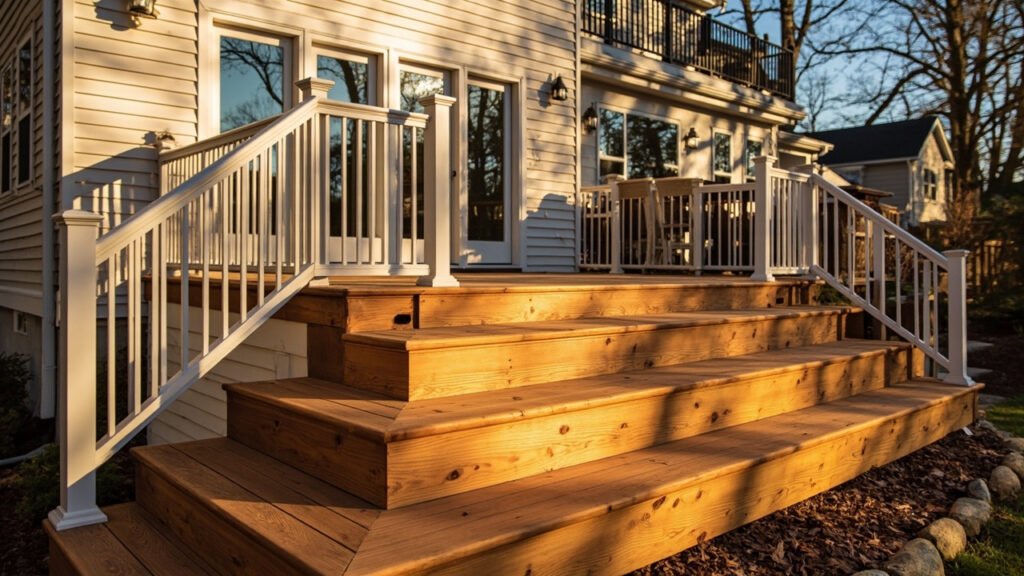
Building a deck is one of the most rewarding home improvement projects you can undertake in the Greater Boston area. Whether you are dreaming of a spacious composite deck for summer gatherings in Newton, a cozy front porch addition in Brookline, or a complete deck rebuild in Quincy, understanding the process helps you make informed decisions. Advanced Deck & Porch has been helping homeowners throughout Boston, MetroWest, and surrounding communities transform their outdoor spaces with quality craftsmanship and professional service.
Planning Your Deck Construction Project in Greater Boston
Before you begin deck construction in Boston, careful planning ensures your new outdoor space meets your needs and stands up to New England weather conditions. Start by assessing how you plan to use your deck. Do you need space for dining, relaxation, or entertaining? Will the deck connect to your home through an existing door, or will it require new access points?
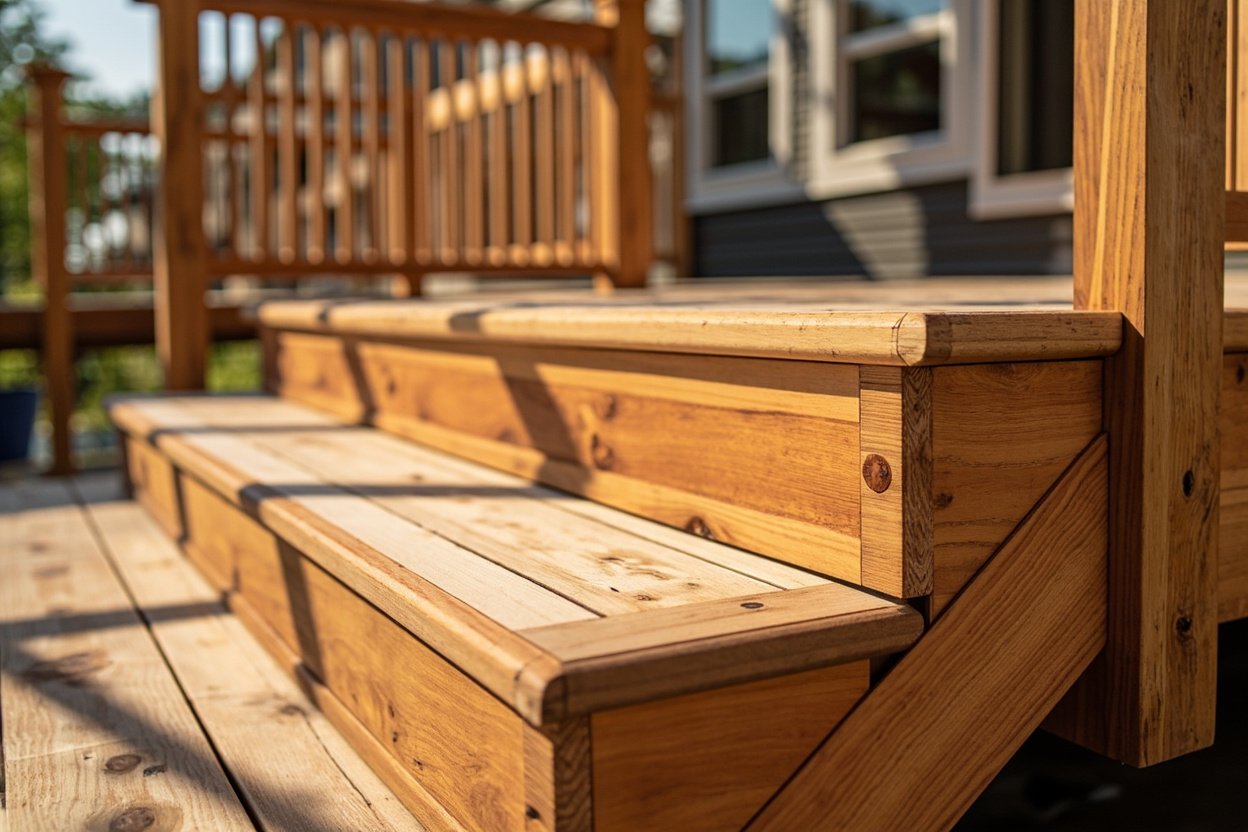
Consider the placement carefully. South-facing decks in Wellesley and Weston receive abundant afternoon sun, while north-facing areas in Lexington or Bedford may stay shadier throughout the day. Think about privacy from neighbors, views you want to capture, and how the deck will flow with your current landscaping.
Budget planning should account for more than just materials and labor. In the Boston metro area, permit fees, site preparation, and any necessary demolition of existing structures all factor into your total investment. Setting realistic expectations early prevents surprises down the road.
Choosing the Right Deck Materials for New England Climate
Boston weather demands deck materials that can handle dramatic seasonal changes, from humid summers to harsh winters with freeze-thaw cycles. Composite decking has become increasingly popular among homeowners in Needham, Natick, and Wayland because it resists moisture, warping, and splintering without requiring annual staining or sealing.
Traditional pressure-treated wood remains a viable option for budget-conscious projects. This material handles New England weather exposure well when properly maintained. However, be prepared for regular cleaning, staining, and sealing to maximize its lifespan. Hardwoods like cedar and redwood offer natural beauty but come with higher price tags and similar maintenance requirements.
When selecting deck materials, consider your willingness to perform ongoing maintenance. Some homeowners in Burlington and Braintree prefer the low-maintenance benefits of composite decking despite the higher upfront cost. Others enjoy the ritual of seasonal deck maintenance and prefer the natural look of wood. Both choices work well in our climate when installed correctly.
Structural Framing: The Foundation of a Long-Lasting Deck
The hidden structural framing determines whether your deck remains safe and stable for decades or develops problems within a few years. Boston area building codes require specific requirements for deck construction, including proper footer depth, beam sizing, and joist spacing. These regulations account for frost heave and soil conditions common throughout MetroWest communities.
Professional deck builders use pressure-treated lumber rated for ground contact for all structural components. The framing must be properly connected to your home with ledger boards secured by lag screws or bolts spaced at appropriate intervals. This ledger connection bears much of the decks load and requires careful installation to prevent water damage and structural failure.
Diagonal bracing and proper cantilever distances ensure your deck resists lateral movement and bouncing. Homes in older neighborhoods throughout Quincy, Weymouth, and Milton may have foundation issues that affect deck construction, requiring additional site evaluation before building begins.
Railing Safety and Stairs: Meeting Boston Building Codes
Railing safety is not optional in deck construction throughout Greater Boston. Local building codes specify minimum railing heights, baluster spacing, and structural requirements to prevent falls and injuries. Most decks more than 30 inches above ground level require railings on all open sides.
Current codes typically require railings at least 36 inches tall for decks and 42 inches for commercial applications. Balusters must be spaced so a 4-inch sphere cannot pass through, preventing children from becoming trapped. Top rails must be smooth and graspable, free from sharp edges or protruding hardware.
Deck stairs require equally careful attention. Each step must be consistent in height, typically between 7 and 7.75 inches. Stair width, landing requirements, and handrail specifications all fall under local regulations. Proper stair construction in Canton, Norwood, and Acton ensures safe access to your deck for family members of all ages.
Understanding Permits and Local Regulations
Most deck construction projects in Boston and surrounding communities require building permits before construction begins. Requirements vary by town, with some communities in Greater Boston allowing smaller decks without permits while others require them for any structure attached to your home. Attached decks typically face stricter requirements than freestanding structures.
The permit process usually involves submitting detailed plans showing dimensions, materials, structural specifications, and footer locations. Some towns require stamped engineering drawings for larger decks or those with unusual site conditions. Setback requirements from property lines and easements affect where your deck can be positioned.
Many homeowners in Westwood, Milton, and surrounding communities find that existing structures complicate deck construction. Replacing an aging deck often involves removing the old structure, addressing any damage to the home where the old ledger was attached, and ensuring the new construction meets current code requirements rather than the standards that applied when the original deck was built.
Maintenance Planning for Your Boston Area Deck
Once your new deck is complete, ongoing maintenance protects your investment through New England winters and humid summers. Composite decking requires minimal maintenance beyond occasional cleaning with soap and water. Wood decks benefit from annual inspections, cleaning, and resealing as needed.
Inspect your deck each spring for loose boards, protruding nails or screws, and any signs of water damage or rot. Pay special attention to ledger connections, posts, and areas where water tends to pool. Addressing minor issues promptly prevents them from becoming major problems requiring expensive repairs.
Snow removal during winter months requires care to avoid damaging your deck surface. Use plastic shovels rather than metal tools, and avoid stacking heavy snow on your deck for extended periods. With proper care, a well-built deck in Boston, Newton, or Brookline provides years of outdoor enjoyment for your family.
Ready to discuss your project? Visit our deck and porch services page or call (857) 837-2100 to schedule a free onsite estimate.
Advanced Deck & Porch is a brand owned and operated by Sun Shore Construction. All estimates, contracts, and construction services are provided by Sun Shore Construction.