
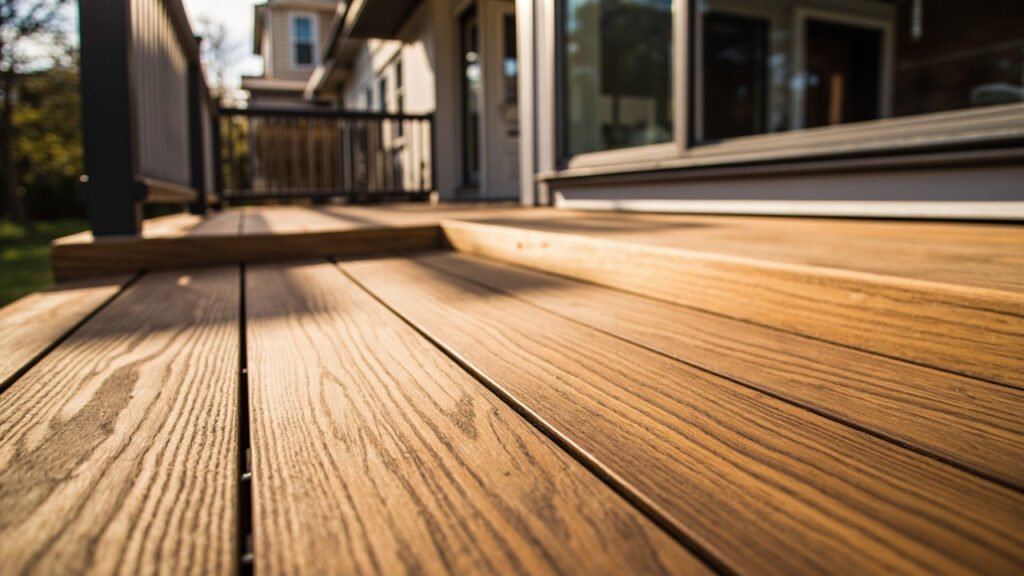
Your front porch does more than just add charm to your home. In neighborhoods across Boston, Greater Boston, and MetroWest, a well-designed porch extends your living space, boosts your curb appeal, and creates a welcoming spot to enjoy your morning coffee or evening conversations with neighbors. If you have been searching for a dependable porch builder in Boston, understanding what the process involves can help you feel confident about your project from planning through completion.
For homeowners comparing materials, Composite decking is one of the most popular low-maintenance options for Greater Boston outdoor projects.
Why Choosing a Local Porch Builder Matters
Working with a contractor who knows the Boston area offers meaningful advantages. Local builders understand the regional climate challenges, including harsh winters, humid summers, and the freeze-thaw cycles that test outdoor structures. They are familiar with local building codes and permit requirements across different municipalities, whether you are in the historic neighborhoods of Brookline, the suburban streets of Wellesley, or the denser areas closer to downtown Boston.
A porch builder with established roots in Greater Boston and MetroWest also brings relationships with local suppliers and subcontractors, which can keep your project running smoothly. When you choose a contractor serving towns like Newton, Weston, Lexington, or Quincy, you benefit from their track record with projects in your specific community.
Key Steps in the Porch Construction Process
Every successful porch project begins with careful planning. During an initial consultation, your contractor should evaluate your existing structure, discuss your vision, and talk through practical considerations like lot slope, drainage, and how the porch will connect to your home.
The construction process typically follows these phases:
- Design and planning: Creating detailed plans that address structural framing, dimensions, and how the porch integrates with your home’s architecture
- Permitting: Filing necessary applications with your local building department, which varies by town across the region
- Foundation and framing: Installing support posts, beams, and joists designed to handle weather exposure and seasonal movement
- Flooring and finishing: Installing decking or porch flooring, trim work, and any built-in features
- Railing and stairs: Adding code-compliant railings and properly designed stairs for safe access
Clear communication throughout each phase helps ensure the finished porch meets your expectations and stands up to Boston’s demanding weather.
Choosing the Right Materials for Your Boston Porch
Material selection plays a significant role in how well your porch performs over time. The New England climate subjects outdoor structures to moisture, temperature swings, and UV exposure, so choosing materials that resist these conditions saves you maintenance headaches down the road.
Composite decking has become a popular choice for homeowners who want durability without the ongoing upkeep of traditional wood. High-quality composite materials resist fading, warping, and moisture absorption, which matters in a region that sees heavy snow in winter and humid conditions in summer. Many composite options also come with extended warranties, giving homeowners added peace of mind.
Traditional wood decking remains a viable option for those who prefer a classic look. If you choose wood, regular sealing and maintenance become essential to protect against moisture and extend the life of your investment. Your porch builder can help you weigh the pros and cons based on your budget, aesthetic preferences, and willingness to perform ongoing maintenance.
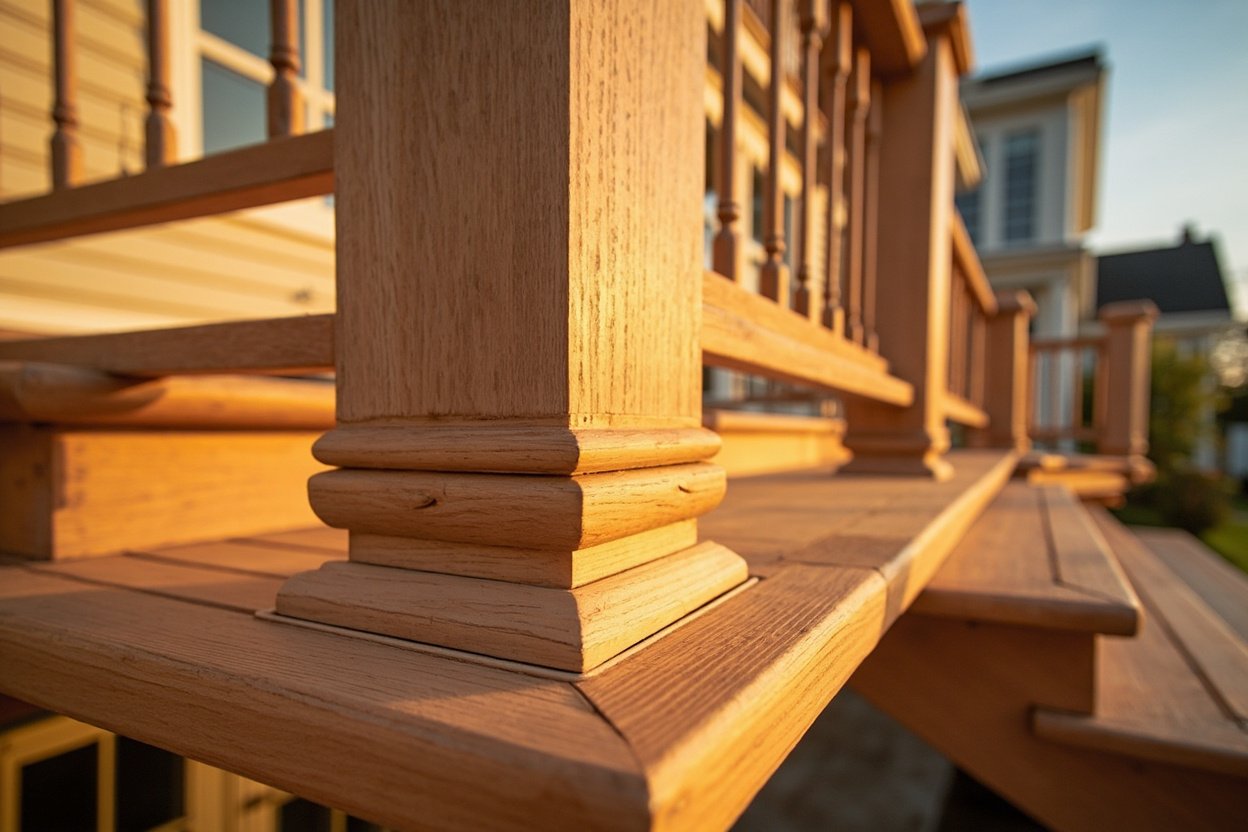
Railing materials also deserve careful thought. Aluminum and vinyl railings offer low-maintenance solutions that hold up well in Boston weather, while wood railings provide a classic appearance that some homeowners prefer. Regardless of material, railings must meet height and spacing requirements for safety, particularly on elevated porches.
Understanding Railing Safety and Stair Requirements
Safety features are not optional extras when it comes to porch construction. Building codes set specific requirements for railing height, baluster spacing, and stair design to protect everyone who uses the porch. These codes can vary slightly between municipalities, so an experienced porch builder knows exactly what your local requirements are.
For stairs, proper rise and run dimensions ensure comfortable and safe passage. The structural framing beneath stairs must be solid, with adequate support to prevent sagging or movement over time. Handrails on stairs provide additional security, especially for family members of varying ages and mobility levels.
When evaluating potential contractors, ask about their approach to these safety elements. A contractor who cuts corners on structural framing or uses undersized materials may create problems that are not immediately obvious but emerge as the porch ages.
Planning for Weather Exposure and Long-Term Maintenance
Boston-area porches face real challenges from the elements. Heavy snow loads in winter, driving rain in spring and fall, and intense sun in summer all take their toll on outdoor structures. Thoughtful design accounts for these factors from the start.
Proper flashing where the porch meets your home prevents water from seeping into the framing, which protects against rot and structural damage. Adequate ventilation beneath elevated porches helps materials dry after rain or snow. Slope calculations for flooring ensure water drains away rather than pooling on the surface.
Maintenance planning starts with material choice but extends to how you care for your porch seasonally. A contractor who walks you through simple maintenance steps helps you protect your investment for years to come.
What to Expect During Your Project
Every porch project brings some disruption to your daily routine, but an organized contractor minimizes inconvenience and keeps you informed. Before construction begins, confirm the timeline, discuss access to your property, and establish communication preferences.
Porch construction in the Boston area often works best when planned during warmer months, though experienced contractors can build in cooler seasons as well. Your contractor should provide realistic expectations about scheduling based on their current workload and your project’s complexity.
Whether you are building a new front porch, repairing an existing structure, or replacing an aging deck, working with a team that understands local conditions makes a meaningful difference in the outcome.
Ready to discuss your project? Visit our deck and porch services page or call (857) 837-2100 to schedule a free onsite estimate.
Advanced Deck & Porch is a brand owned and operated by Sun Shore Construction. All estimates, contracts, and construction services are provided by Sun Shore Construction.