
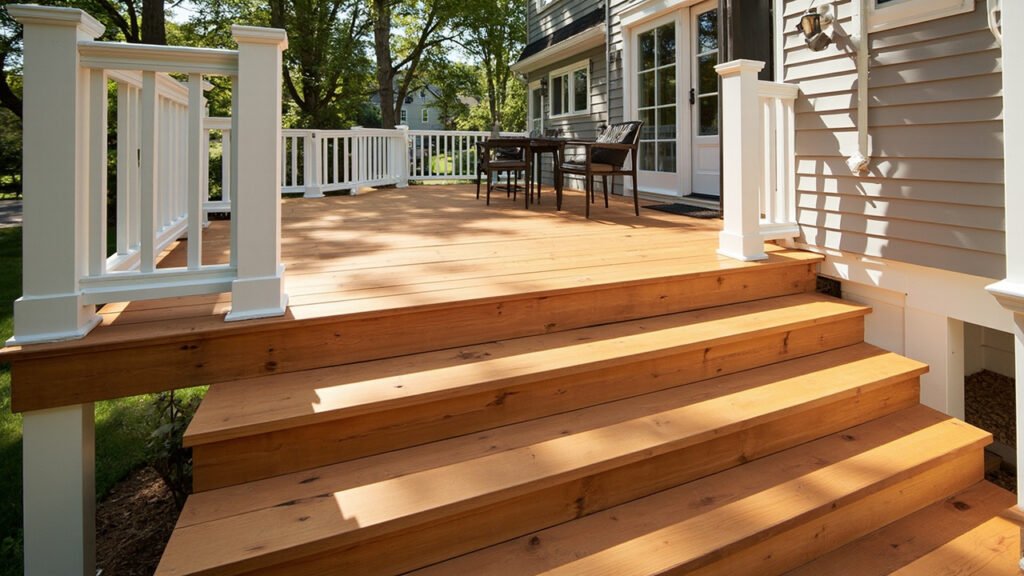
When a porch starts to show its age, the decision to act quickly can save Boston homeowners time, money, and safety headaches. Boston’s mix of historic neighborhoods, coastal humidity, and harsh winters puts porch structures to the test. Understanding what causes deterioration, how to assess damage, and what steps to take for a reliable repair is essential for anyone looking to maintain their home’s value and curb appeal.
Understanding Boston’s Climate Impact on Porch Structures
Boston experiences freeze‑thaw cycles, heavy snowfall, and periods of high humidity that can stress any exterior structure. Water that seeps into cracks freezes, expands, and widens gaps, while prolonged moisture encourages wood rot and mold growth. Even porch foundations that appear solid can be compromised if flashing or drainage isn’t properly installed. Weather exposure in the Greater Boston area means that a porch built with inferior materials or sloppy detailing will deteriorate faster than one designed with the local climate in mind.
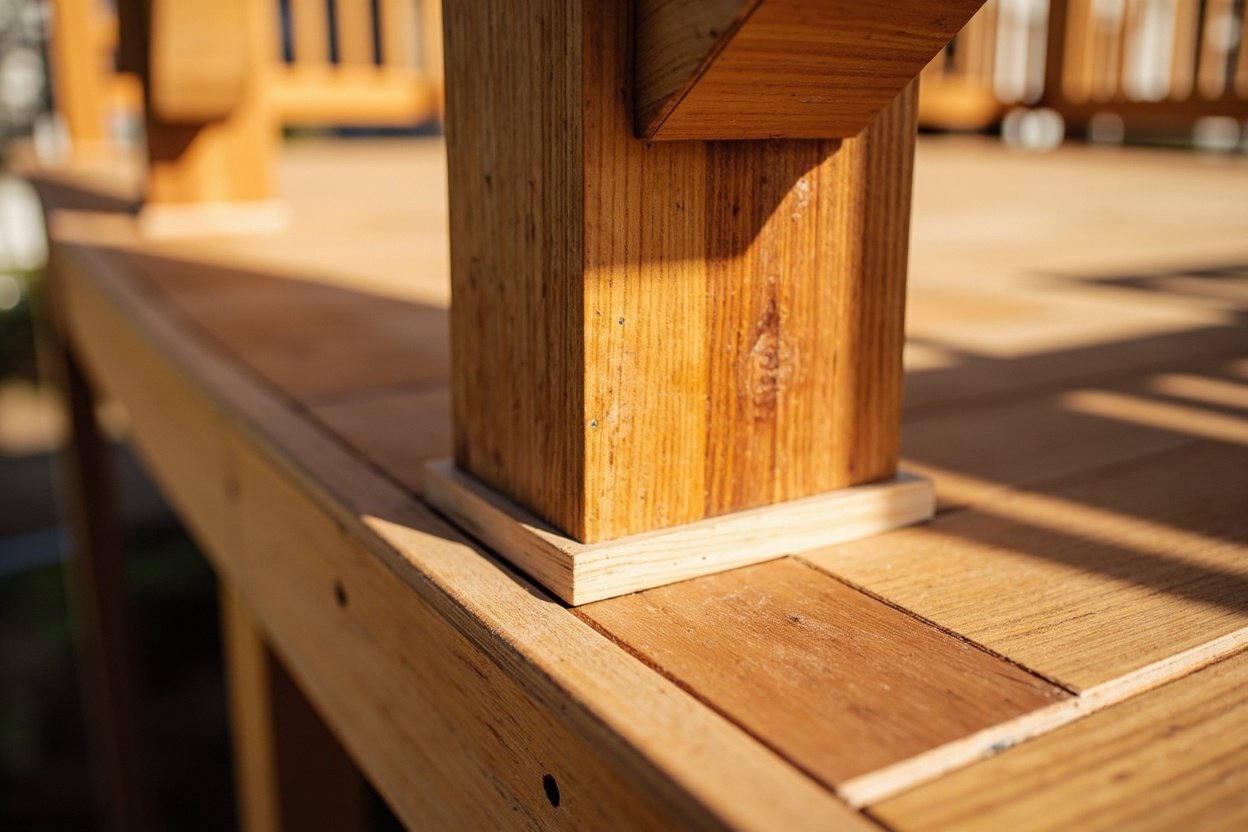
Common Porch Problems Homeowners Spot in the Boston Area
Recognizing the early warning signs is the first step toward a successful porch repair Boston project. Look for the following issues:
- Sagging or uneven floor boards, which often point to weakened structural framing.
- Cracked, splintered, or rotted posts and railings that compromise railing safety.
- Loose or wobbly stairs that make entry and exit hazardous.
- Water stains or pooling near the base of the porch, indicating inadequate flashing or drainage.
- Warped or peeling deck materials that signal moisture infiltration.
If you notice any of these symptoms, scheduling a professional inspection early can prevent small problems from turning into costly rebuilds.
Key Considerations for Porch Repair: Framing, Railings, and Stairs
Any serious repair must address the core components that keep a porch safe and functional. Structural framing should be examined for signs of rot, insect damage, or movement. In many older Boston homes, the original joists and beams may be undersized by today’s standards, so reinforcing or replacing them with pressure‑treated lumber or engineered lumber can provide the strength needed for years of service.
Railing safety is dictated by local building codes that typically require a minimum height of 36 inches for residential porches and secure baluster spacing to prevent falls. When replacing railings, consider using aluminum or vinyl‑coated metal for durability and low maintenance. For stairs, each step must meet rise‑run ratios for comfortable and safe use, and the stringers should be anchored securely to the framing.
Proper flashing around the ledger board where the porch attaches to the house is another critical detail that Boston homeowners often overlook. Without it, water can travel into the wall cavity, leading to mold and structural damage.
Choosing Materials for a Long‑Lasting Boston Porch
Material selection directly influences how well a porch survives Boston’s weather. Traditional deck materials such as pressure‑treated pine are affordable and widely available, but they require regular sealing to resist moisture. Composite decking offers a wood‑like appearance with superior resistance to moisture, fading, and splintering, making it a popular choice for homeowners who prefer low‑maintenance solutions. Cedar and redwood provide natural beauty and insect resistance but can be pricey and still need periodic maintenance.
For railings, aluminum or vinyl offers corrosion resistance and ease of cleaning, while powder‑coated steel can provide a more ornamental look without sacrificing strength. When selecting deck materials, factor in the long‑term cost of upkeep, the aesthetic you want, and how each product performs under Boston’s freeze‑thaw cycles.
Navigating Permits and Regulations in Greater Boston and MetroWest
Before starting any porch repair project, it’s important to understand the permit requirements in your town. Boston proper, Newton, Brookline, and many MetroWest municipalities require a building permit for structural repairs that alter load‑bearing elements or change the porch’s footprint. Even minor repairs such as replacing railings or stair treads may need a permit if they affect egress or safety.
Working with a contractor familiar with local codes helps ensure that all work meets the Massachusetts State Building Code, as well as any additional town‑specific regulations. This approach minimizes the risk of costly stop‑work orders and ensures the finished porch is safe and insurable.
Maintenance Tips to Extend the Life of Your Porch
Proactive maintenance planning can dramatically extend the lifespan of any porch. After each winter, inspect the structure for signs of damage, clear debris from drainage channels, and re‑seal any wood surfaces that have begun to crack. Cleaning the deck with a mild detergent and rinsing thoroughly helps prevent mold buildup. Applying a waterproof sealant or stain every two to three years protects wood surfaces from moisture, while composite decking only needs occasional washing.
Check railing safety components annually, tighten any loose bolts, and replace worn balusters promptly. Keep stairs free of ice and snow accumulation to reduce slip hazards and prevent water from seeping into joints. By establishing a routine inspection schedule, Boston homeowners can catch minor issues before they escalate into major repairs.
Ready to discuss your project? Visit our deck and porch services page or call (857) 837-2100 to schedule a free onsite estimate.
Advanced Deck & Porch is a brand owned and operated by Sun Shore Construction. All estimates, contracts, and construction services are provided by Sun Shore Construction.