
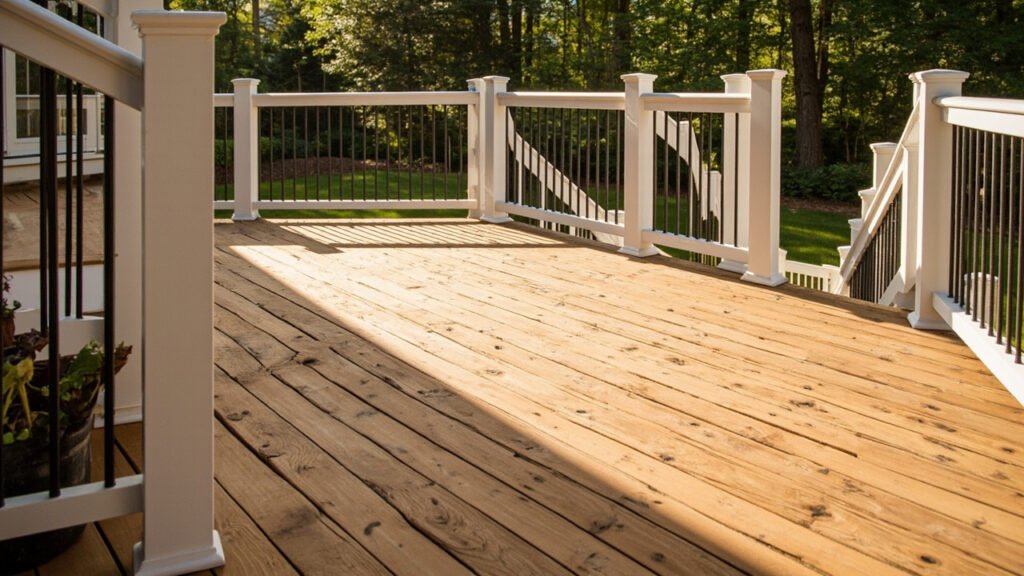
Building a deck in the Boston area is a significant investment that can transform your outdoor living space and add real value to your home. Whether you are planning a brand-new deck or reconstructing an aging structure, understanding the key elements of deck construction helps you make informed decisions throughout the process. From material selection to structural framing and railing safety, this guide covers everything you need to know about deck construction in Boston, Newton, Brookline, and throughout Greater Boston and MetroWest.
Planning Your Boston Deck Project
Successful deck construction begins long before the first board is laid. In the Boston area, homeowners must consider local zoning regulations, permit requirements, and the unique challenges posed by New England weather. Most municipalities in Greater Boston require building permits for deck projects, and requirements vary by town. In Newton, Wellesley, and Lexington, setbacks and height restrictions are common considerations. Your contractor should be familiar with these local codes and can guide you through the permit process.
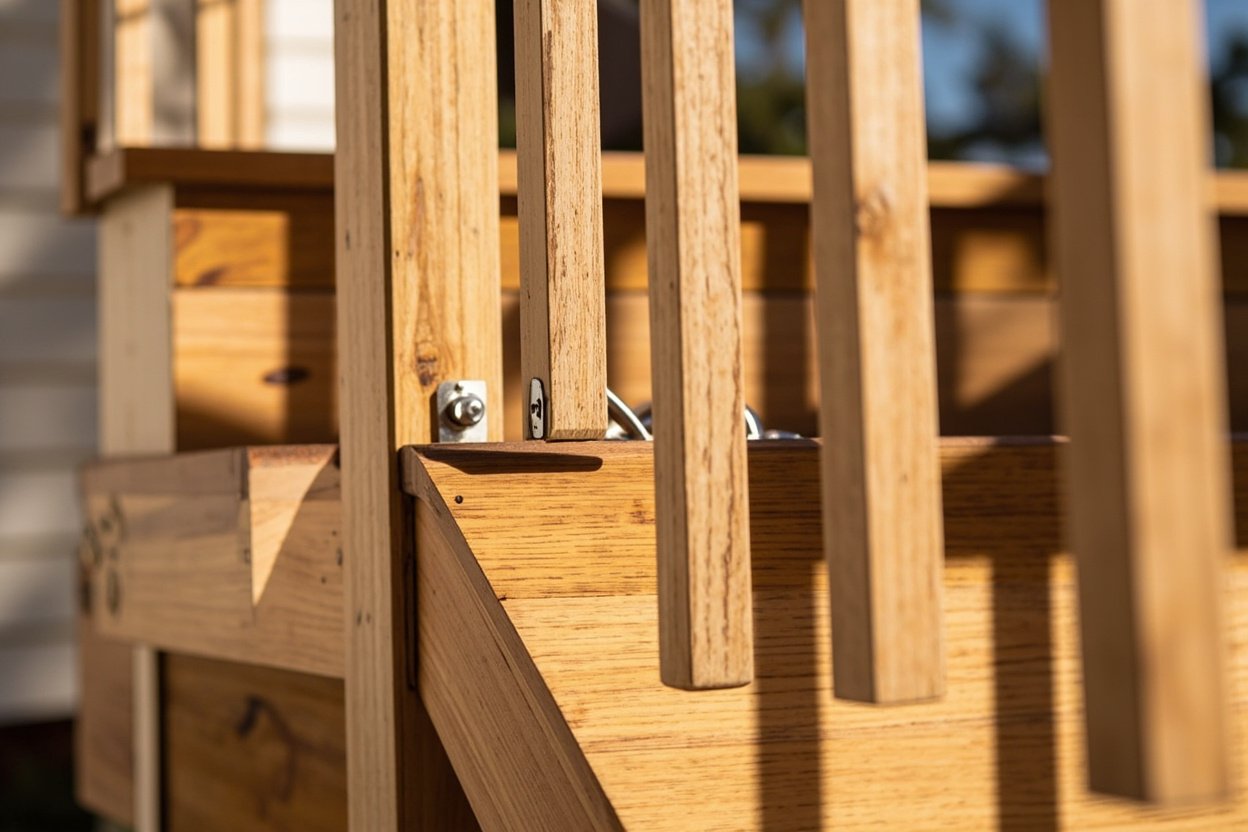
Boston’s climate presents specific challenges that affect every aspect of deck design. Heavy snow loads in winter, humidity in summer, and freeze-thaw cycles throughout the year mean that structural framing must be built to last. Proper planning accounts for these seasonal stresses from the foundation up.
Understanding Structural Framing
The structural framing is the backbone of any deck, and it is where quality construction makes the biggest difference. In our region, decks must be designed to handle significant snow loads, sometimes exceeding 50 pounds per square foot in particularly harsh winters. This means using properly sized beams, joists, and ledger boards that meet or exceed current building codes.
Pressure-treated lumber remains the standard for structural framing in our area due to its resistance to decay and insect damage. The framing must be properly anchored to your home’s structure using lag screws or through-bolts, not nails. Every connection point matters when your deck will face decades of New England weather. Advanced Deck & Porch pays careful attention to flashing and waterproofing at ledger connections to prevent moisture damage to your home.
Choosing the Right Deck Materials
Material selection significantly impacts both the appearance and longevity of your deck. Composite decking has become increasingly popular among Boston homeowners because it resists fading, staining, and moisture damage better than traditional wood. While the initial investment is higher, composite decking requires less maintenance over time, making it cost-effective for many homeowners.
For those who prefer natural wood, cedar and redwood offer beautiful aesthetics with natural resistance to decay. However, even these premium hardwoods require regular sealing and maintenance to survive Boston’s climate. Ipe and other tropical hardwoods provide exceptional durability but come with premium pricing and require specialized installation techniques.
Consider how much maintenance you are willing to perform each season when choosing your materials. Composite decking eliminates the need for annual staining or sealing, which many Boston homeowners find valuable given our busy lifestyles.
Railing Safety and Code Compliance
Railings are not just an aesthetic feature—they are a critical safety element that must meet specific code requirements. In Massachusetts, residential deck railings must be at least 36 inches tall, with balusters spaced no more than 4 inches apart to prevent children from slipping through. If your deck is more than 30 inches above grade, 42-inch tall railings are typically required.
Material options for railings include wood, aluminum, vinyl, and composite systems. Aluminum and composite railings offer low-maintenance durability while providing clean, modern aesthetics. Glass panel railings are another option that provides unobstructed views while maintaining safety standards.
Posts must be properly secured and rated for the height and span of your railing system. This is one area where professional installation makes a significant difference in long-term safety and stability.
Deck Stairs: Function and Safety
Stairs connect your deck to the yard and must be built with the same attention to structural integrity as the rest of the deck. Each step must be consistent in height, typically between 7 and 8 inches, with treads deep enough to provide secure footing. Handrails are required on at least one side of any set of stairs with more than three steps.
Weather exposure makes stair construction particularly challenging in our area. Snow and ice accumulation on stairs creates slip hazards, so many homeowners opt for composite or vinyl stair treads that provide better traction and shed moisture more effectively than wood.
Maintenance Planning for Boston Weather
Regardless of which materials you choose, ongoing maintenance protects your investment. Composite decking requires less maintenance than wood but still benefits from occasional cleaning to remove dirt and prevent mold. Wood decks typically need annual power washing, staining, and sealing to maintain their appearance and structural integrity.
Before winter arrives, clear your deck of furniture, planters, and debris. Snow removal should be done carefully to avoid damaging the surface, particularly with composite materials. Inspect railings and connections each spring as temperatures warm and the deck emerges from harsh winter conditions.
Making Your Decision
Whether you are building a new front porch in Quincy, replacing an aging deck in Braintree, or adding a second-story deck in Brookline, working with experienced local contractors makes the process smoother. Understanding the basics of structural framing, material choices, and code requirements helps you communicate effectively with your builder and ensures your project meets expectations.
The right deck construction company will guide you through material selection, handle permit applications, and build a structure designed to last through decades of New England weather. Look for contractors with established reputations in your specific town, as local experience translates to smoother projects and fewer unexpected complications.
Ready to discuss your project? Visit our deck and porch services page or call (857) 837-2100 to schedule a free onsite estimate.
Advanced Deck & Porch is a brand owned and operated by Sun Shore Construction. All estimates, contracts, and construction services are provided by Sun Shore Construction.