
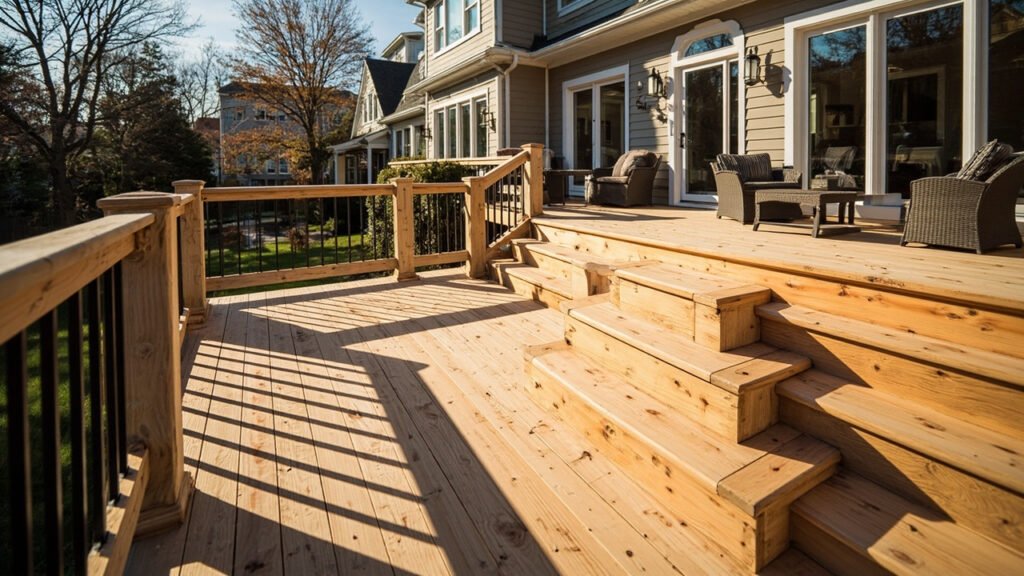
If your current deck is showing its age, you are not alone. Many homeowners in Boston, Greater Boston, and the surrounding MetroWest towns discover that their existing structures begin to deteriorate after several New England winters. Rotting boards, loose railings, and unstable stairs are not just eyesores. They represent genuine safety concerns that require attention. Replacing a deck is a significant project, and making informed choices early helps ensure the result is structurally sound, visually appealing, and built to last.
Understanding Boston’s Weather Impact on Deck Structures
The freeze-thaw cycles common to Massachusetts create unique challenges for outdoor structures. During winter, moisture works its way into cracks and seams, then expands as temperatures drop. This process repeats season after season, slowly breaking down even well-built decks. Weather exposure in the Boston area is particularly harsh due to coastal humidity, snowfall, and the dramatic temperature swings we experience in spring and fall. Proper planning starts with acknowledging these conditions and designing a deck that can withstand them.
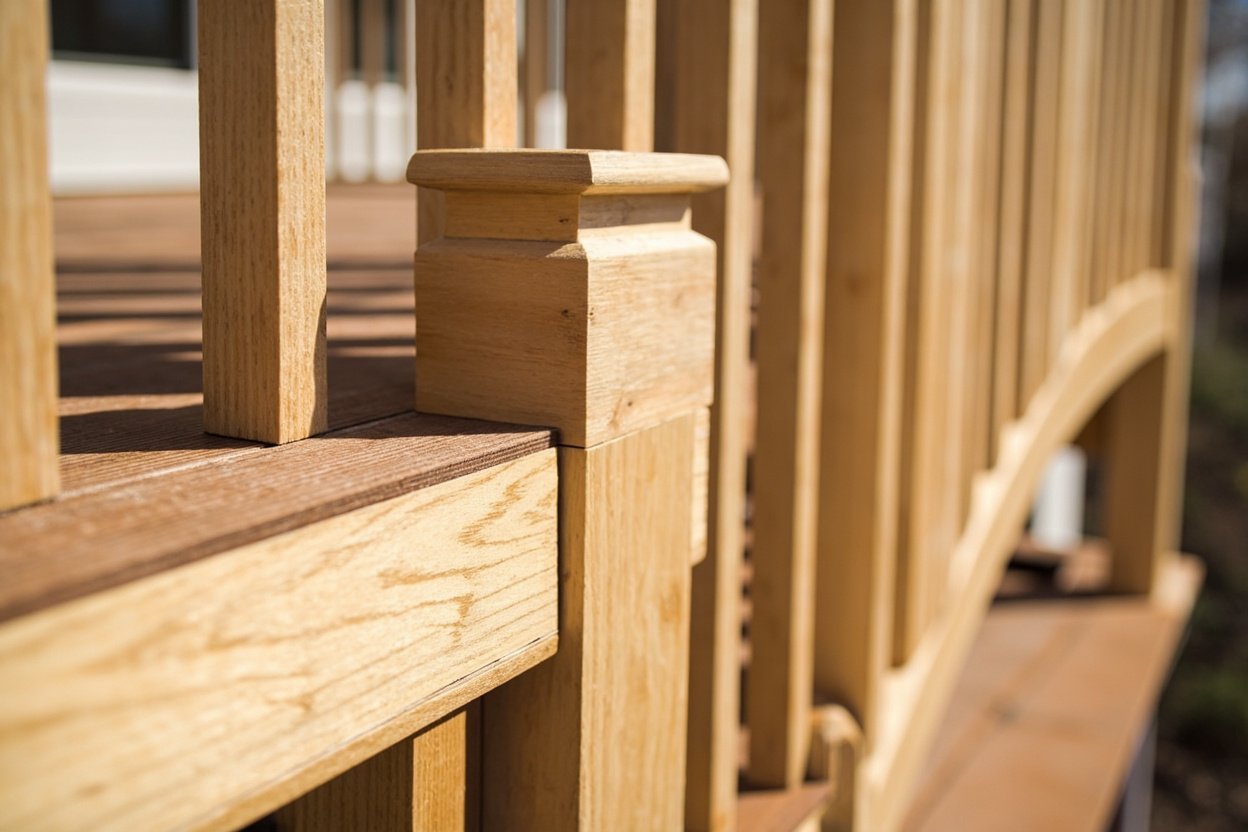
Choosing the Right Deck Materials for New England
Material selection plays a major role in how your deck performs over time. Traditional pressure-treated lumber remains popular because it resists insect damage and decay. However, many homeowners in towns like Newton, Wellesley, and Brookline are now choosing composite decking for its low-maintenance characteristics. Composite boards resist fading, staining, and moisture absorption, which means fewer headaches during those damp Boston winters. That said, the best material choice depends on your budget, aesthetic preferences, and how much maintenance you are willing to perform. A reputable contractor will walk you through the pros and cons of each option without pressuring you toward an expensive upgrade.
Structural Framing and the Foundation of a Safe Deck
No matter what surface material you select, the structural framing determines how long your deck will last. Proper structural framing begins below ground level with correctly installed footings that extend below the frost line. In Massachusetts, frost depths can reach 40 inches or more, so footings that do not go deep enough may heave and shift during winter. The frame itself should use appropriately sized joists and beams, with proper spacing to support the intended load. This is where many DIY projects or low-bid replacements cut corners, resulting in bouncy decks that sag over time. Attention to framing details also affects the deck stairs and railings, which must meet specific requirements for safety and code compliance.
Permits and Inspections in Greater Boston Communities
Before construction begins, you need to understand the permit requirements in your specific town. Cities like Boston, Quincy, and Braintree have their own permitting processes, while smaller communities such as Wayland, Weston, and Acton may have different procedures. Most municipalities require a permit for deck replacements, particularly if the structure is elevated or attached to the house. Permits typically involve submitting plans that detail the deck dimensions, height, framing specifications, and railing details. Inspections during construction ensure the footings, framing, and railings meet local building codes. Working with a contractor familiar with Greater Boston and MetroWest regulations helps prevent delays and ensures your project meets all requirements.
Railing Safety and Stairs: Details That Matter
Railing safety is not optional. Local codes mandate specific railing heights, baluster spacing, and handrail configurations to reduce the risk of falls. For elevated decks, the railing must withstand a certain amount of force without failing. When it comes to stairs, each step must be consistent in height, and the staircase must include a proper handrail on at least one side. These elements seem minor but they significantly impact the usability and safety of your deck. During a deck replacement, it makes sense to evaluate whether your existing deck railings and stairs meet current standards, especially if your home is older and was built under previous building codes.
Planning Your Deck Replacement: Steps to Take
Successful deck replacements begin with careful planning. Here is a general overview of what the process involves.
- Assess the condition of your existing structure and determine whether repair or full replacement makes more sense.
- Research local permit requirements in your specific town or city.
- Decide on materials based on your budget, aesthetic goals, and willingness to perform maintenance.
- Meet with a contractor to discuss structural needs, design preferences, and timeline expectations.
- Review the proposed layout, paying attention to stairs, railings, and how the deck connects to your home.
Taking these steps early helps set realistic expectations and reduces surprises during construction. Maintenance planning also matters. Even low-maintenance materials benefit from occasional cleaning and inspection. Knowing what your chosen materials require helps you protect your investment for years to come.
Working With a Local Contractor
Finding a contractor who understands the specific challenges of deck building in Massachusetts makes a meaningful difference. A local professional knows which materials perform best in our climate, understands the permit processes in towns like Lexington, Natick, and Burlington, and has relationships with local building departments that can streamline approvals. When evaluating contractors, ask about their experience with projects similar to yours and how they handle unexpected issues during construction. Clear communication from the start leads to a smoother project overall.
Ready to discuss your project? Visit our deck and porch services page or call (857) 837-2100 to schedule a free onsite estimate.
Advanced Deck & Porch is a brand owned and operated by Sun Shore Construction. All estimates, contracts, and construction services are provided by Sun Shore Construction.