
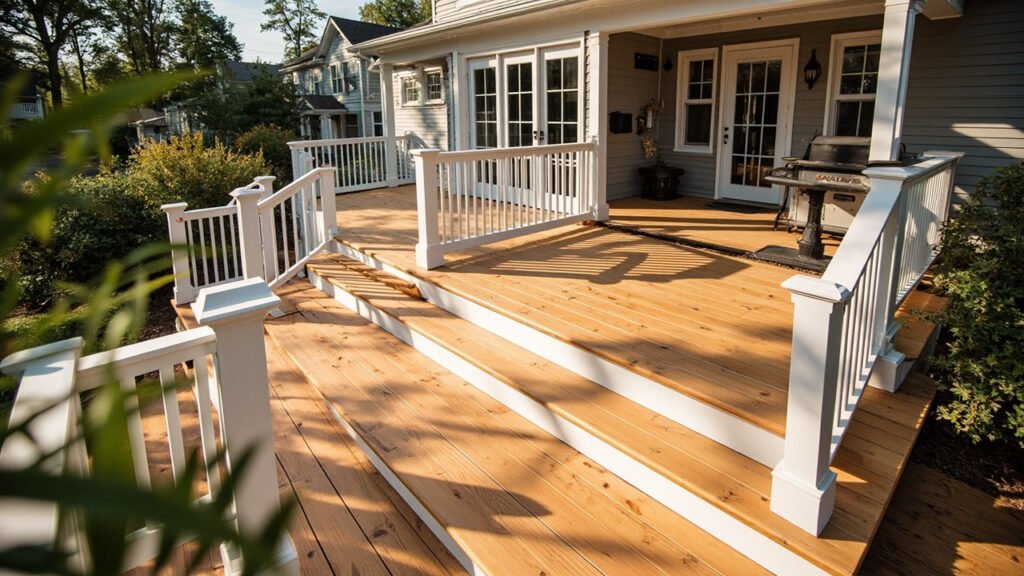
A front porch does more than extend your living space. In a city like Boston, where historic architecture sets the tone for whole neighborhoods, a well-built porch adds character, value, and everyday usability to your home. Whether you are starting fresh with a new front porch or replacing an aging structure that has weathered New England seasons for decades, the decisions you make during planning will shape how your porch performs and lasts for years to come.
For homeowners comparing materials, Composite decking is one of the most popular low-maintenance options for Greater Boston outdoor projects.
Understanding Boston-Area Weather and Its Impact on Porch Construction
Boston’s climate presents specific challenges that go far beyond a few cold months. Freezing winters, humid summers, heavy rain, and coastal proximity all test outdoor structures in ways that mild-climate builders never have to consider. Moisture is the single biggest enemy of any porch or deck, and New England weather cycles between wet, frozen, and hot conditions year after year.
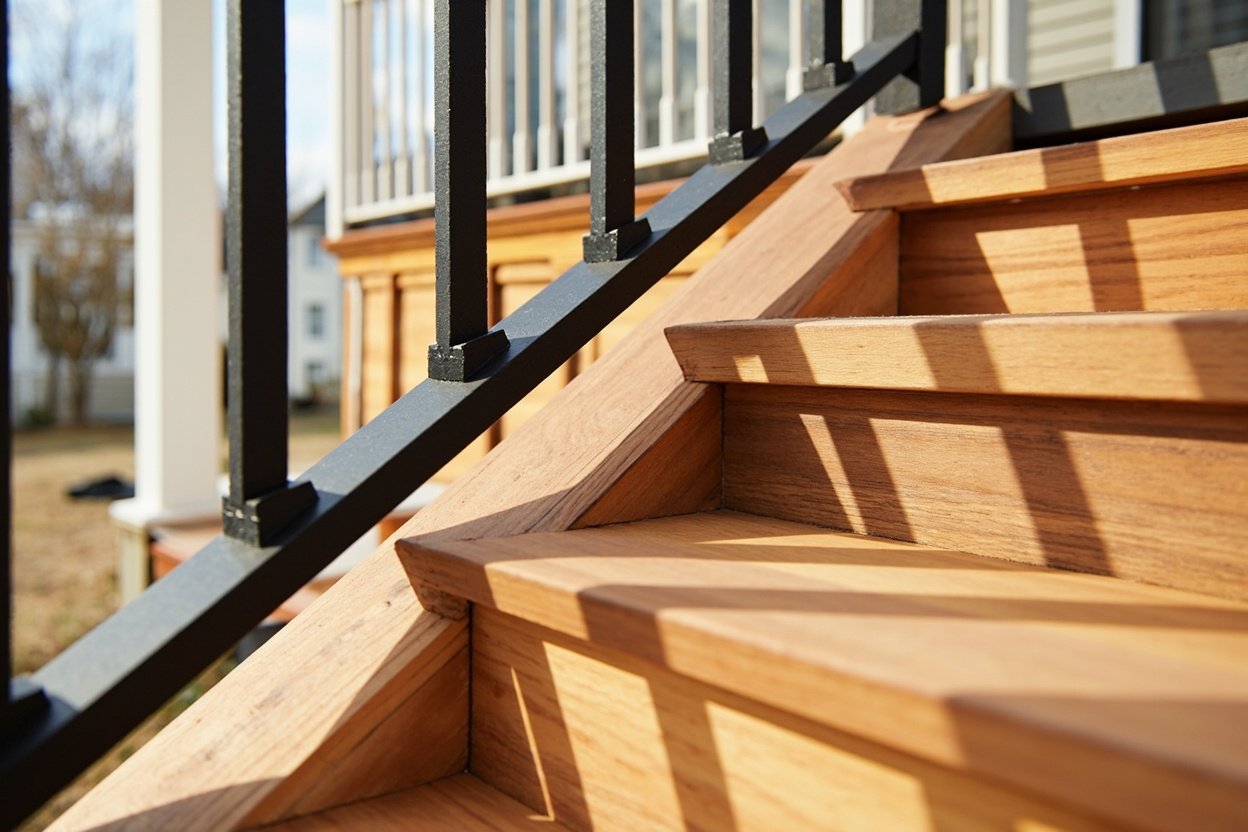
Proper structural framing starts with pressure-treated lumber rated for ground contact when any portion of the structure sits near soil or concrete. Fasteners, brackets, and hardware must be rated for exterior use. Even the design of the porch itself matters—a roof pitch that encourages water runoff, or a floor with adequate gap spacing between boards, can make a meaningful difference in how the structure ages over time. When you work with a porch builder in Boston who understands these local realities, your project begins on a solid foundation.
Material Choices for Lasting Porch and Deck Surfaces
Choosing the right deck materials is one of the most consequential decisions in any outdoor project. Traditional wood decking still works well for certain aesthetic goals, but it requires regular sealing, staining, and ongoing maintenance to hold up against Boston’s seasonal extremes. Homeowners who want durability without constant upkeep often turn to Composite decking as a practical alternative.
Composite decking resists moisture, does not splinter, and holds its color far longer than untreated wood. Many products now come in a range of textures and tones that mimic natural wood so closely that the visual difference is negligible. For a front porch that sees regular foot traffic, the reduced maintenance requirement alone makes composite a smart long-term investment. A trusted porch builder in the Boston area can walk you through the specific product lines that perform best in New England conditions.
For railings and stairs, materials like powder-coated aluminum, vinyl, or composite offer clean lines and excellent durability. These options resist the corrosion that salt air can cause near the coast, and they require virtually no maintenance beyond occasional cleaning. Whatever materials you select, the key is matching them to how you actually use your space and how much upkeep you are prepared to handle over the years ahead.
Front Porch Design That Fits Your Home and Neighborhood
Boston-area homes come in an extraordinary range of styles, from Federal and Colonial to Craftsman and contemporary. A front porch should feel like a natural extension of your home’s architecture rather than an afterthought tacked onto the front. Thoughtful porch design considers proportion, roofline, column style, and the relationship between the porch floor and the yard or street.
For many homeowners, the transition from a covered porch to an open deck or patio opens up more flexible outdoor living options. This is why many projects combine new deck construction with front porch construction in a single scope of work. If you are rebuilding a deck or undertaking deck repairs, it makes practical sense to evaluate whether a porch addition would enhance the overall layout of your property at the same time.
Permitting requirements vary across the communities Advanced Deck & Porch serves. Towns like Newton, Brookline, and Wellesley have specific guidelines for front porches and deck structures that affect height, setback distances, and railing specifications. Working with a builder familiar with local codes in each town helps avoid delays and costly revisions after the project is underway.
Structural Framing, Railing Safety, and Stairs
Every durable porch or deck rests on proper structural framing. Joist spacing, beam sizing, and how the structure connects to your home’s ledger board all determine whether the deck can safely support normal loads over time. Railing safety is not simply an aesthetic concern—the height, baluster spacing, and post connections are all regulated to protect children, pets, and guests from falls.
Stairs deserve equal attention. The rise and run of each step must be consistent, and landings must be properly sized and anchored. Handrails need to meet code requirements, and the connection between the stair stringers and the deck framing must be secure. These details are where experienced craftsmanship shows most clearly, and they are also the areas where shortcuts lead to costly problems down the road.
Regular maintenance planning helps catch small issues before they become bigger ones. Checking your railing connections, inspecting the ledger board, and keeping your porch surface clean and free of standing water all extend the life of your investment. If your existing porch has developed problems like sagging, soft spots, or loose railings, prompt deck repairs prevent further deterioration and protect your household.
Planning Your Project in Greater Boston and MetroWest
Whether your property is in Quincy, Braintree, Lexington, Natick, or any of the surrounding communities, starting a porch or deck project begins with a clear plan. Think about how you want to use the space, what materials appeal to you, and what budget makes sense for the long term. A builder who offers free onsite estimates can assess your property’s specific conditions—soil type, existing structures, drainage patterns—and provide honest guidance before you commit to anything.
Many homeowners ask whether to build now or wait. In Greater Boston, fall and early winter often present ideal conditions for construction, with contractors frequently having more availability than during the busy spring and summer months. Planning ahead gives you time to make considered decisions about layout, materials, and finishes without feeling rushed.
Here are a few key questions to bring to your first conversation with a porch builder:
- What structural materials and deck materials do you recommend for my site and budget?
- Do I need a building permit, and will you handle the application process?
- How will you address weather exposure and drainage around my foundation?
- What maintenance should I plan for over the next five to ten years?
Ready to discuss your project? Visit our deck and porch services page or call (857) 837-2100 to schedule a free onsite estimate.
Advanced Deck & Porch is a brand owned and operated by Sun Shore Construction. All estimates, contracts, and construction services are provided by Sun Shore Construction.